
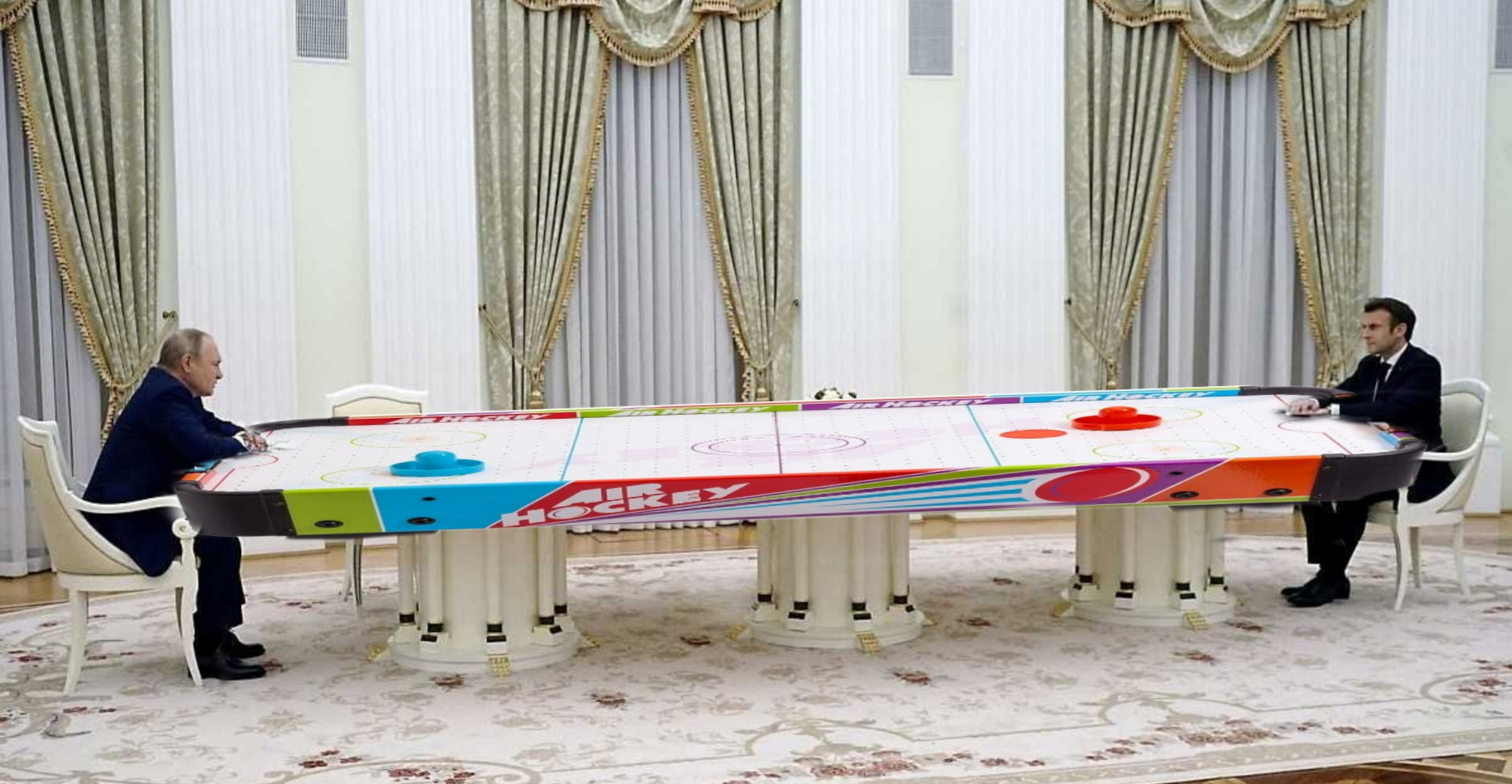
The shift in strategy follows mounting frustration with the lack of progress in Washington’s attempts to secure a peace deal. Recent behind-the-scenes activity suggests a change in posture: senior diplomats from Germany, France, and the United Kingdom have held meetings with Russia’s deputy foreign minister in Moscow. Furthermore, a member of European Council President António Costa’s cabinet has initiated contact with the Kremlin, signaling that the continent's diplomatic freeze may be thawing.
Despite these moves, experts remain cautious about the viability of such outreach. Natia Seskuria, a fellow at the Royal United Services Institute, warns that Russia is unlikely to abandon its maximalist goals while it maintains a perceived battlefield advantage. According to Seskuria, the Kremlin views the United States as the primary player in any settlement, and Moscow is unlikely to take European overtures seriously unless they are backed by significant leverage—such as the potential for sanctions relief. Without a shift in the military status quo in Ukraine, the prospect of a negotiated settlement remains distant, as Putin shows little sign of altering his course while he believes he can maneuver between Western powers.
Comments (0)
No comments yet. Be the first!