
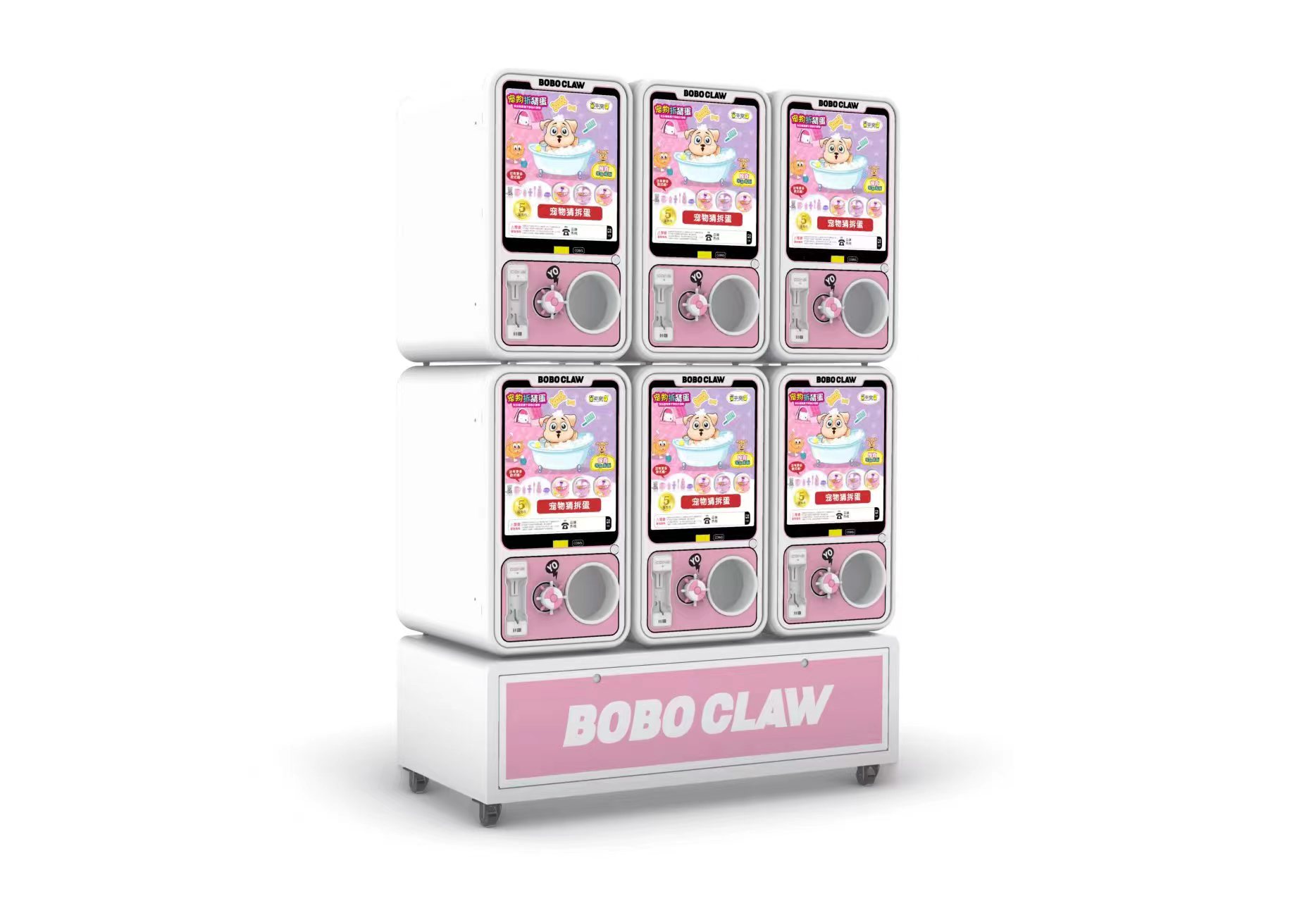
Peter, an investor at 1kx, argued in an October 21 social media post that randomized purchasing mechanics—traditionally confined to gaming and trading cards—could redefine the consumer goods landscape. He suggested that integrating this high-stimulus design into online shopping could yield an e-commerce giant on par with Shopify. Despite the bold forecast, the thesis lacks supporting consumer research or concrete sales data.
Josip Volarević, a key figure behind the SP3ND platform, confirmed that his team is developing an interface that allows shoppers to pay with stablecoins to receive randomized inventory from major online retailers. The service currently functions as a merchant of record for standard purchases, accepting USDC, SOL, and BONK for items sourced from Amazon and eBay. While the platform facilitates international delivery to over 48 countries, its existing terms mandate identity verification for transactions exceeding $10,000.
Market skepticism remains, with some analysts noting that such "high-stimulus" models may not translate universally across retail sectors. Meanwhile, the industry is already seeing active implementations. Collector Crypt has reported significant engagement with its mystery-pack system, which allows users to trade digital prizes for USDC. As these platforms expand, they face a shifting regulatory environment. The Federal Trade Commission’s recent $20 million settlement with Cognosphere regarding loot-box transparency and parental consent sets a rigorous precedent for any company applying randomized mechanics to consumer transactions.
Comments (0)
No comments yet. Be the first!