
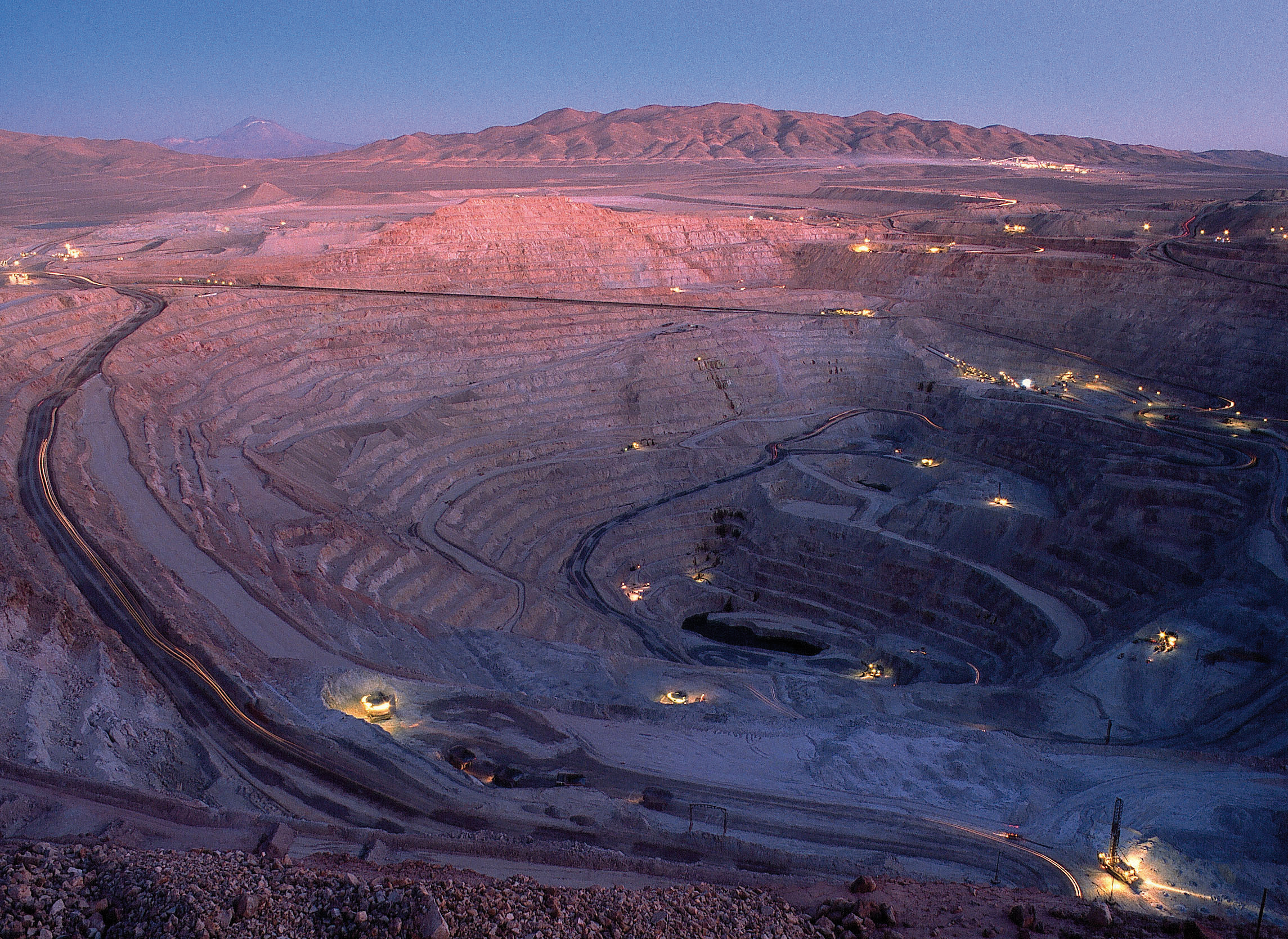
The Escondida walkout follows a similar action at Antofagasta’s Centinela mine earlier this month, signaling deeper instability across the Andes. S&P Global projects copper demand will jump from 28 million metric tons in 2025 to 42 million by 2040. With AI and defense sectors tripling their consumption, analysts warn of a potential 10 million-ton supply shortfall that threatens to inflate costs for green energy projects worldwide.
Chilean output is already struggling, having dropped 12.8% in August to its lowest level since 2011. Operational hazards, including a recent fatal landslide at Codelco’s El Teniente mine and potential weather disruptions from El Niño, have forced the state commission Cochilco to lower its annual production forecast. Beyond labor and climate risks, miners face a looming "acid squeeze"; Morgan Stanley reports that a Chinese ban on sulphuric acid exports could jeopardize more than half of Chile’s refined copper production.
Regulatory hurdles further complicate the outlook. Permitting processes in Chile can span 12 years, while Peru contends with nearly 200 active social conflicts. Even in Argentina, where the massive $7.1 billion Vicuña project represents a new frontier for copper, local judicial interventions continue to create uncertainty. As strike votes and operational disruptions persist, copper prices remain near record highs, reflecting a market where supply risks are becoming the new standard.
Comments (0)
No comments yet. Be the first!