
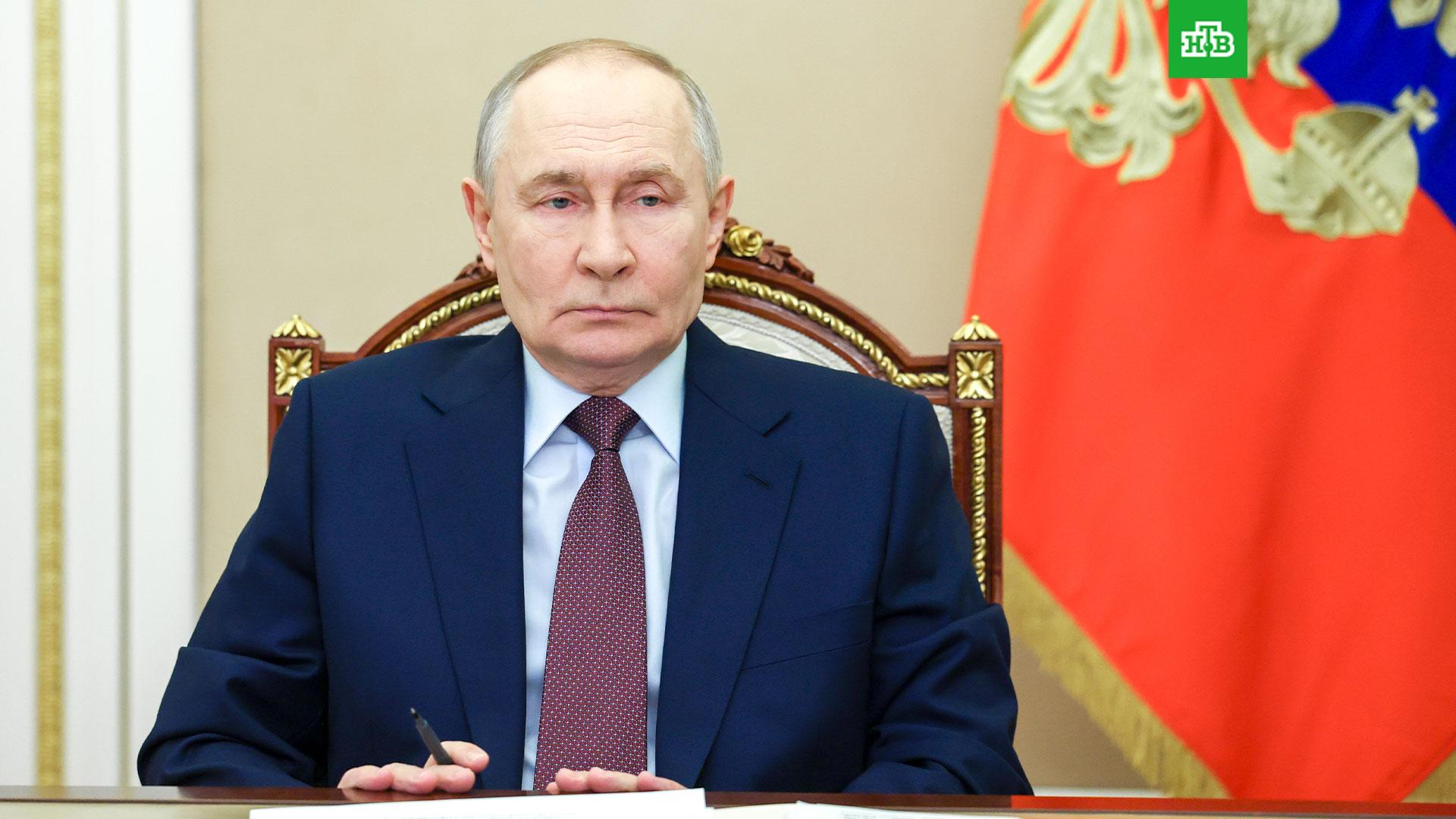
The Kremlin views the Commonwealth of Independent States as an essential vehicle to preserve Russia’s legacy in its former imperial territories. Putin’s address highlighted the Russian language as a unifying force, even as regional governments actively transition toward local languages and the Latin alphabet. In cities like Almaty, Astana, and Tashkent, younger generations increasingly favor English or native tongues, leaving Russian proficiency in decline outside major urban centers.
Beyond linguistic shifts, a movement to rewrite history is challenging Moscow’s narrative of its past. Where Soviet historiography once framed Russian influence as a civilizing force, contemporary Central Asian states increasingly characterize the Tsarist and Soviet eras as periods of repression. This ideological pivot is visible in the establishment of museums dedicated to victims of Soviet rule and the scaling back of celebrations honoring the 1945 victory over Nazi Germany. Because these historical pillars are central to Putin’s own political identity, the Kremlin used the summit to formalize a pact aimed at preserving the official memory of the Great Patriotic War. Whether this diplomatic effort can reverse the regional trend remains doubtful, recalling Viktor Chernomyrdin’s 1993 observation: "We wanted the best, but it turned out as usual."
Comments (0)
No comments yet. Be the first!