
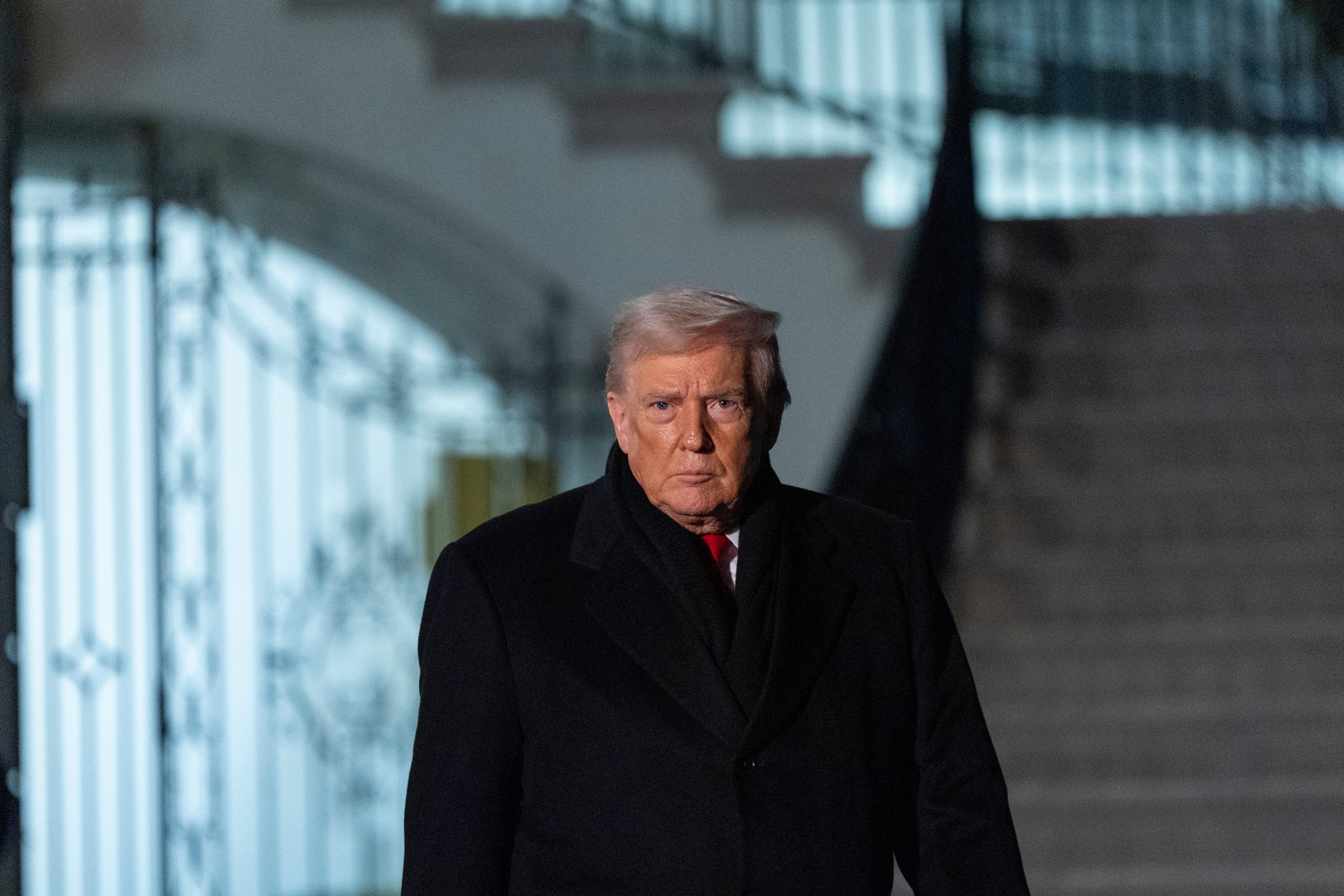
The bipartisan legislation passed with a 262-159 vote, following a successful 86-11 Senate tally last month. Named for the late South Carolina Senator Lindsey Graham, the bill authorizes the White House to levy tariffs of up to 100 percent on major purchasers of Russian oil and gas, effectively targeting the country's shadow tanker fleet and financial institutions. While the measure marks the first major bipartisan support for Ukraine since April 2024, it faced resistance from some Democrats, including House Minority Leader Hakeem Jeffries, who expressed concern over granting the president expanded tariff authority.
Despite Democratic divisions, supporters frame the bill as a necessary escalation of economic pressure. Senator Richard Blumenthal, a co-author, warned global buyers that the legislation would expose countries like China and India to new U.S. measures if they continue to finance the Kremlin. European officials, including Estonia’s ambassador to the U.S. Hannes Hanso, welcomed the move as a long-overdue step toward comprehensive sanctions. Meanwhile, the bill extends the Iran Sanctions Act for five years, continuing restrictions on that nation’s energy and weapons sectors. Representative Michael McCaul, who introduced the House version, stated the legislation is designed to cripple Russia’s war machine and force Vladimir Putin toward negotiations.
Comments (0)
No comments yet. Be the first!