
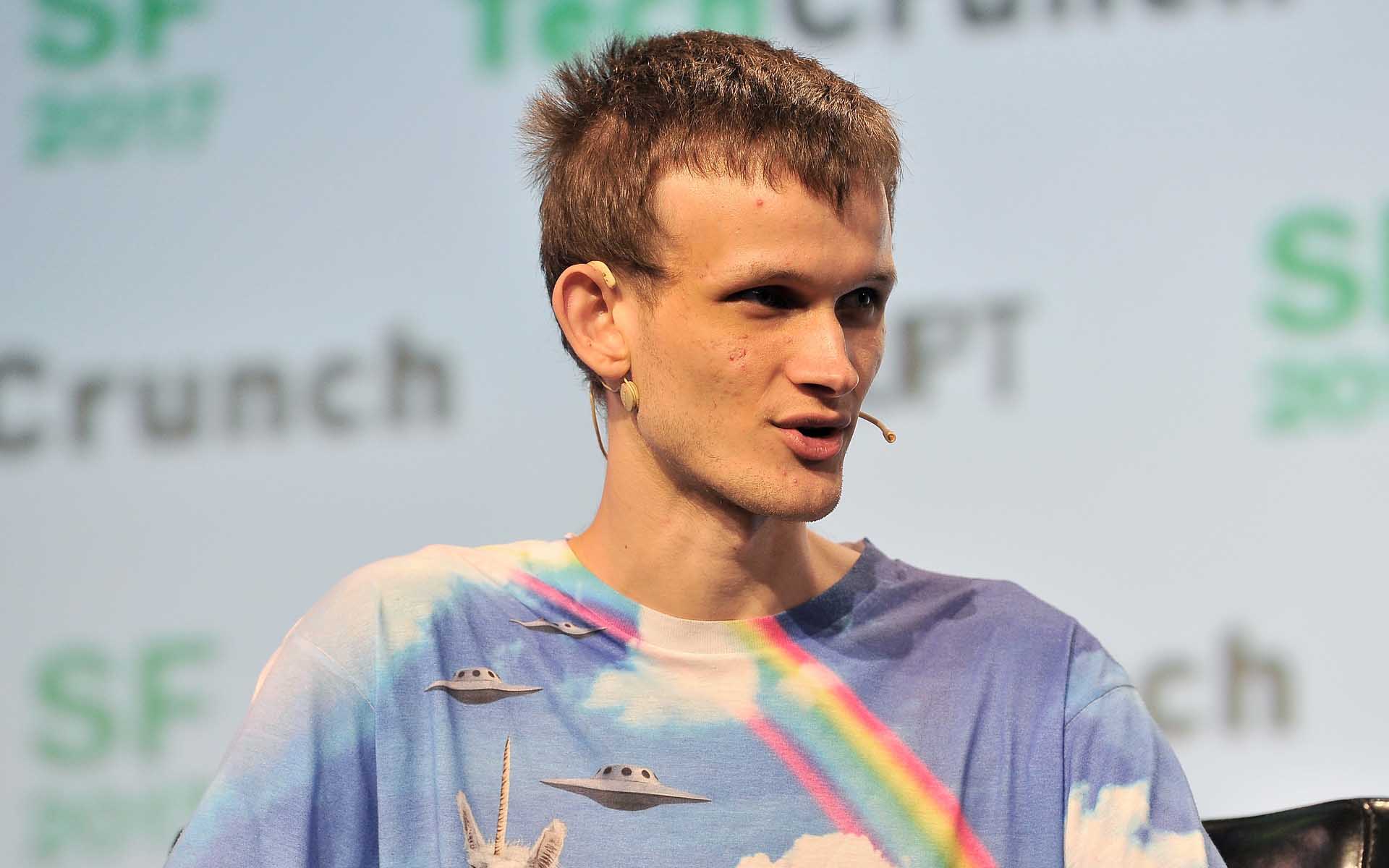
Buterin, who maintains roughly 90% of his net worth in cryptocurrency, framed his confidence in digital security as a personal investment. His argument rests on the shift toward formal verification—a process that uses mathematical proofs to confirm software behavior aligns with predefined security properties. Rather than viewing cybersecurity as a perpetual race to patch bugs, he envisions a future where AI agents act as rigorous auditors, proving that complex codebases are secure by design.
This approach is already moving from theory to practice within the Ethereum ecosystem. The Ethereum Foundation’s security team has begun utilizing AI agents to identify vulnerabilities, including a confirmed flaw in the Rust libp2p networking stack, cataloged as CVE-2026-34219. However, researchers note that the current challenge lies in triage; AI often generates valid-looking proofs that fail to capture the specific security constraints developers intended to enforce. Consequently, the Foundation has integrated formal verification into its multi-year roadmap, aiming to bake these safeguards into zkEVM development, privacy protocols, and post-quantum security measures.
While industry peers like Anthropic report that attackers are increasingly using frontier AI to automate vulnerability research and exploit development, Buterin remains unconvinced of a "doom" scenario. He acknowledges that defining security properties remains a significant hurdle, as incomplete specifications can leave critical system layers exposed. Despite these limitations, the Ethereum Foundation is actively funding projects like better.codes and LeanAgent to bridge the gap between machine-learning efficiency and human-defined security standards, treating formal verification as a core pillar for the protocol's long-term resilience.
Comments (0)
No comments yet. Be the first!