
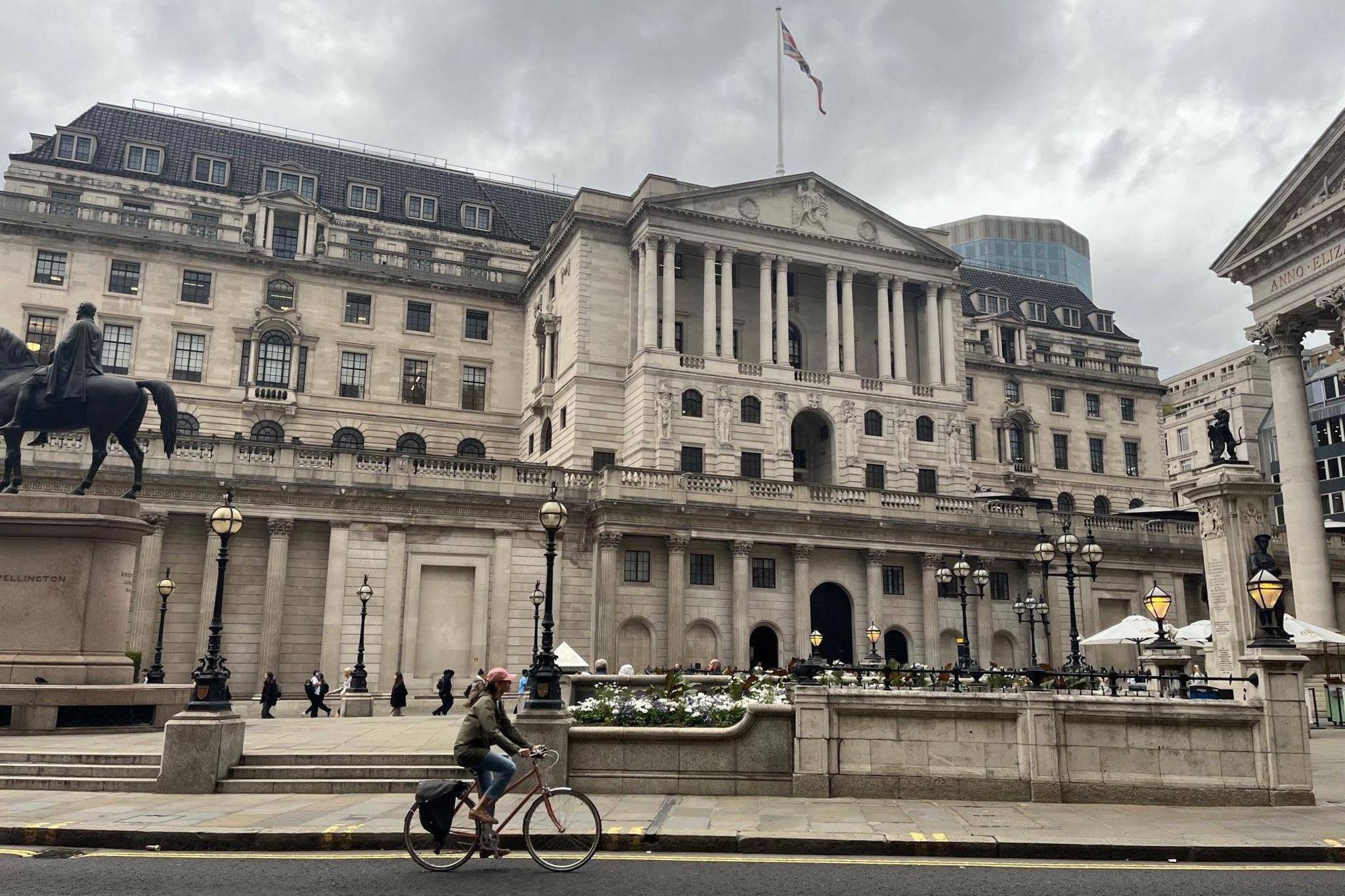
Investors are signaling that Threadneedle Street is running out of time, with traders aggressively dumping sovereign debt. The current market volatility reflects deep skepticism regarding the Bank’s long-term trajectory, with expectations mounting for as many as four rate hikes over the next twelve months. Anthony Brinkman of Principle Asset Management noted that the market is essentially demanding a firm response, warning that a failure to act or communicate clearly will only drive the cost of borrowing higher.
The pressure originates from a broader energy shock. Brent crude has hit $107 a barrel, its highest point since May, while natural gas prices are mirroring levels not seen since the initial fallout of the Ukraine invasion. While some analysts, such as James Carter of W1M, argue that the Monetary Policy Committee should hold rates steady because the Bank cannot control energy supply, the prevailing sentiment among economists is that credibility is at stake. Andrew Wishart of Berenberg emphasized that the cost of a 25 basis point hike is marginal compared to the damage caused by perceived inaction. With the Federal Reserve and the European Central Bank already tightening policy to mitigate the impact of Middle East tensions, the Bank of England faces a narrow path between battling persistent inflation and managing the threat of an economic slowdown.
Comments (0)
No comments yet. Be the first!