
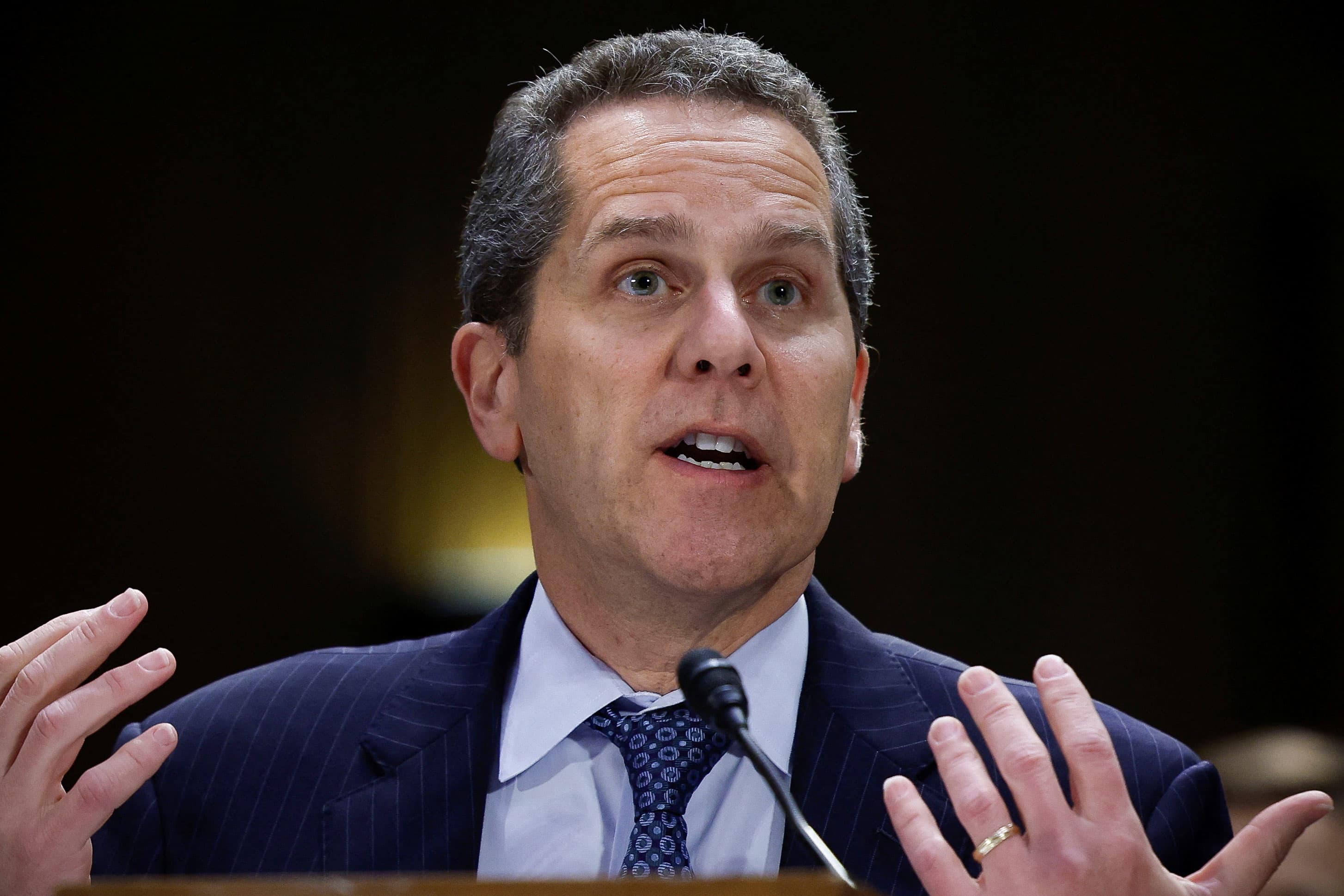
Barr, speaking at the Second Chance Lending Forum in Washington, emphasized that while the Federal Reserve has time to evaluate incoming data, the current trajectory of price growth remains a primary concern. He noted that inflation, which stalled in 2025 due to tariff pressures, geopolitical conflict in the Middle East, and high demand linked to the artificial intelligence boom, requires a decisive response if progress remains insufficient. His comments place him alongside Fed Chair Kevin Warsh, who recently underscored the necessity of achieving the 2% objective with both clarity and speed.
Market participants have recalibrated their outlooks in response to these hawkish signals. Polymarket traders now assign a 72% probability to at least one rate increase by the end of 2026, with the likelihood of a quarter-point hike at the Sept. 15–16 meeting sitting at approximately 57%. This volatility reflects broader concerns regarding energy prices, as instability near the Strait of Hormuz pushes Brent crude above $90. With critical August employment and inflation data pending, officials are maintaining a data-dependent stance, weighing a resilient U.S. labor market against the persistent threat of price pressures spreading throughout the economy.
Comments (0)
No comments yet. Be the first!