
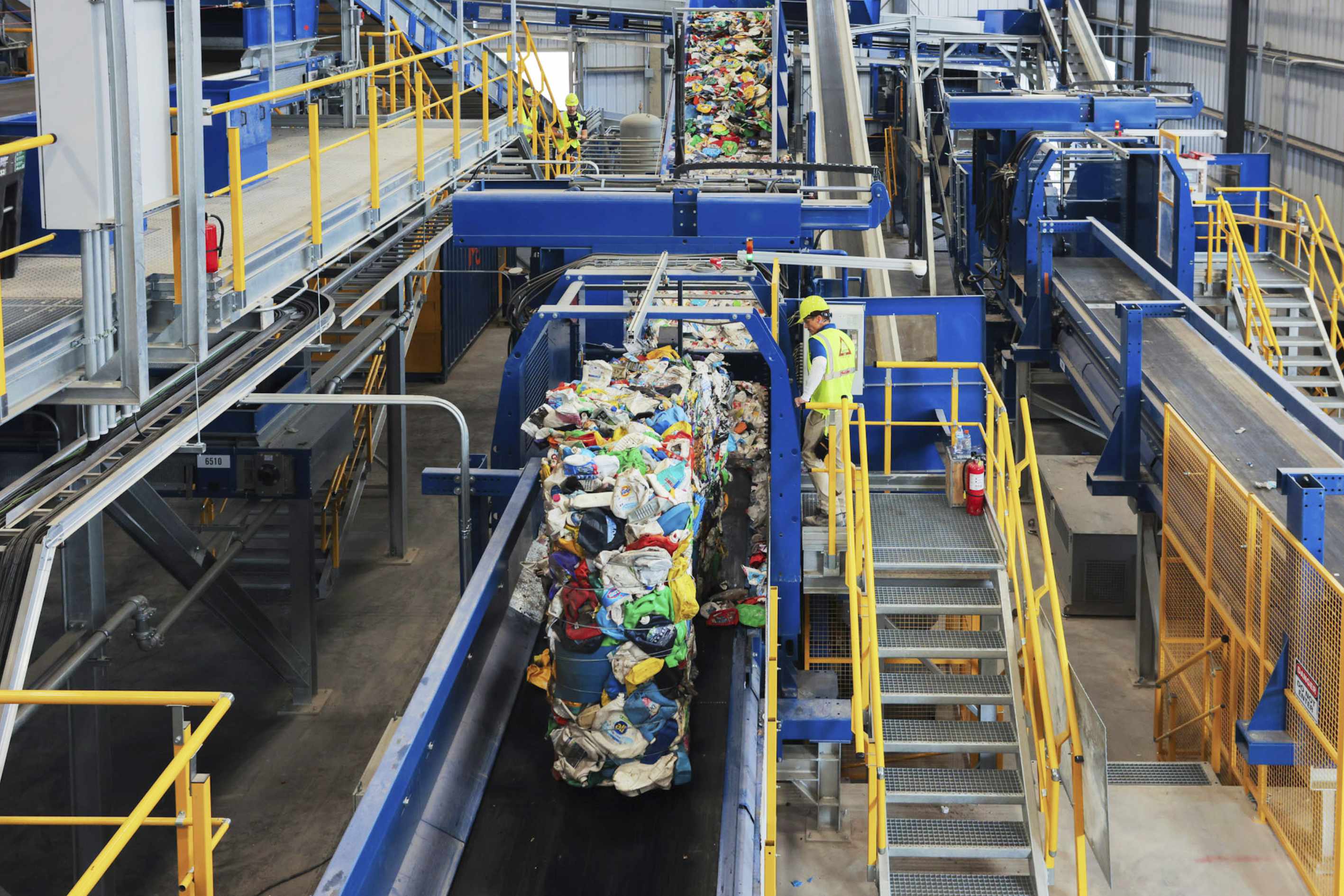
The agreement centers on a commercial facility designed to process tens of millions of pounds of material per year, with a clear roadmap for rapid expansion. By integrating its technology into an existing manufacturing network, Denovia avoids the capital-intensive process of building proprietary infrastructure from the ground up. This model allows the company to monetize waste streams that currently represent a net cost for manufacturers, turning landfill-bound materials into a sustainable source of raw inputs.
The Industrial Shift
Unlike traditional mechanical recycling, which often struggles with contaminated or mixed streams, Denovia’s process achieves up to 99.5% purity. This capability is critical as manufacturers face a looming supply deficit for high-quality recycled resins. With McKinsey projecting that demand for recycled plastics could outstrip supply by 60% by 2035, the ability to convert waste into virgin-quality feedstocks provides a significant market edge. The company’s trajectory is already attracting attention alongside industry heavyweights like Eastman Chemical, Dow, and LyondellBasell, all of whom are racing to secure their positions in a sector estimated to hold $75 billion in economic opportunity over the next decade. By moving its PL-1000 system from a pilot installation at the Port of Vancouver into a full-scale industrial partnership, Denovia is positioning itself to capture a significant share of the global effort to close the loop on polyester production.
Comments (0)
No comments yet. Be the first!