
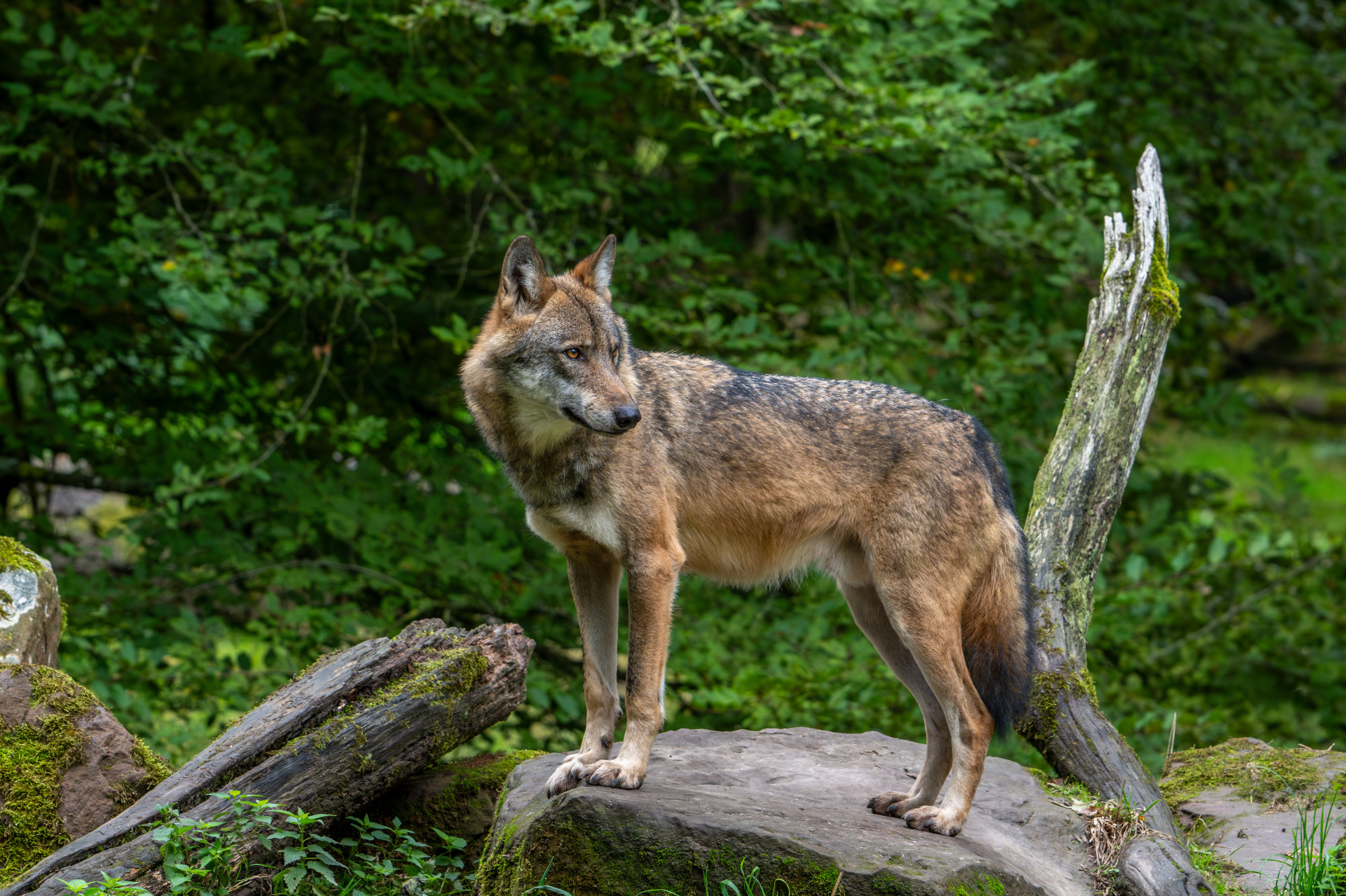
In 2025, the European Parliament moved to downgrade the wolf’s status from "strictly protected" to "protected," granting member states the flexibility to manage populations through increased culling. This shift, championed by agricultural lobbies and right-leaning political groups, reflects a growing frustration among farmers who argue that current policies prioritize biodiversity over the survival of traditional pastoral life.
While conservationists contend that these legislative changes undermine scientific standards, the reality on the ground in regions like the French Alps is increasingly fraught. Shepherds report that protective measures—such as electric fencing and livestock guardian dogs—are becoming unsustainable, failing to keep pace with emboldened predators. For many in the agricultural sector, the presence of wolves has ceased to be a manageable ecological factor and has instead become an existential threat to their heritage and livelihoods.
Yet, the data reveals a complex picture. Though wolves kill over 65,500 sheep annually in the EU, this represents only 0.065% of the total flock. Critics of the new culling permits suggest that politicians are using the wolf as a convenient scapegoat for broader systemic issues in the agricultural economy. As lawsuits head to the European Court of Justice, the conflict highlights a widening gap between urban public opinion, which largely favors protection, and the rural realities of those living on the front lines of the mountain pastures.
Comments (0)
No comments yet. Be the first!