
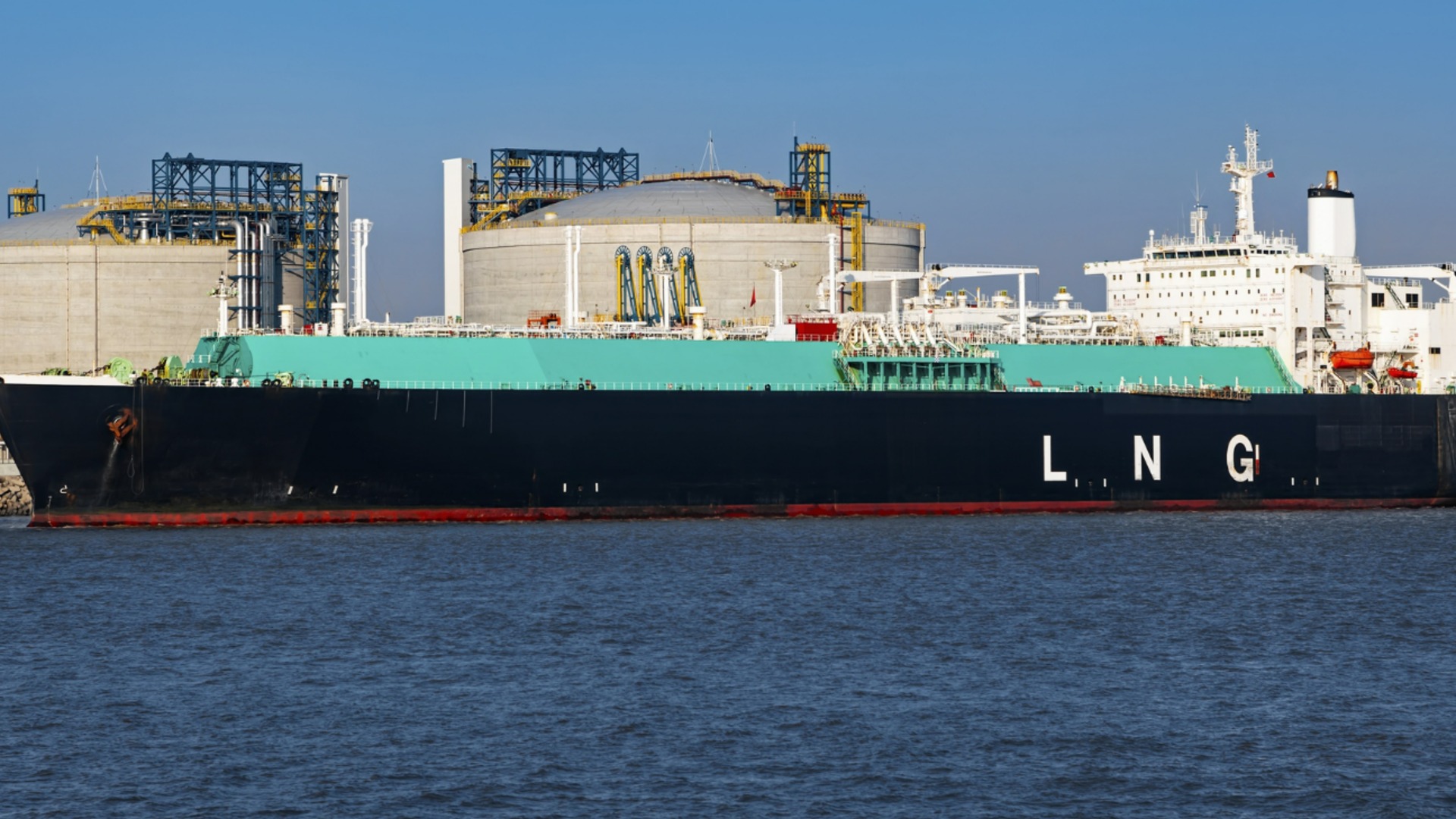
The transit signals a potential shift for the Gulf state, which has struggled to maintain its supply chain since the conflict between the United States, Israel, and Iran intensified. While Pakistan remains a primary destination for Qatari gas, the regional instability has forced the nation to source emergency supplies on the expensive spot market. Industry reports indicate that QatarEnergy has been forced to purchase 33 external LNG cargoes to compensate for its own severe production shortfalls.
Despite the successful crossing, the company’s outlook remains grim. A force majeure declared in March remains active and has been extended through October. Projections for restoring output at the Ras Laffan complex—the world’s largest LNG facility—have been repeatedly set back by renewed strikes. Damage to the site is estimated to cost $20 billion annually in lost revenue, with full repairs expected to span five years. Meanwhile, QatarEnergy faces mounting pressure from Asian and European buyers demanding price concessions to offset the skyrocketing insurance premiums required to navigate the Persian Gulf.
Comments (0)
No comments yet. Be the first!