
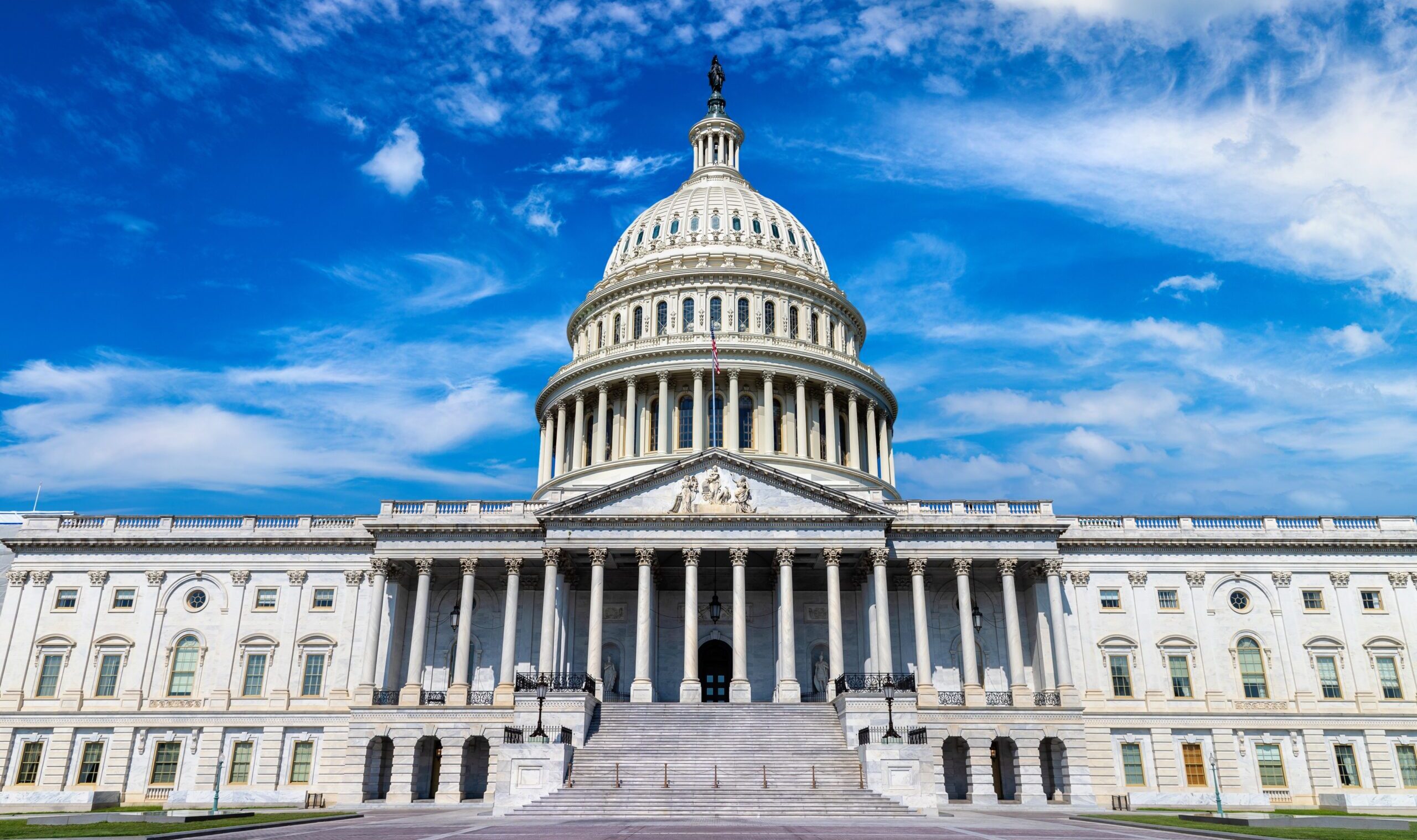
The bill, named for the late Senator Lindsey Graham, authorizes the White House to impose tariffs of up to 200 percent on top buyers of Russian energy. By targeting the "shadow fleet" and major purchasers—specifically China and India—lawmakers aim to drain the financial engine sustaining Russia’s military campaign. Beyond energy, the measure extends sanctions on Iran through 2031, acknowledging the deepening technological and military ties between Tehran and Moscow.
Following a private briefing with senators, President Zelenskyy emphasized that the legislation serves as a vital signal of resolve to both Kyiv and European allies. While he underscored that Ukraine’s most immediate need remains air defense systems to counter Russian and Iranian-made weaponry, he framed the economic pressure as a strategic necessity equal to battlefield gains. Senator Jim Risch, chairman of the Foreign Relations Committee, noted that the bill was carefully negotiated with the Trump administration to ensure it targets adversaries without alienating U.S. allies.
Democratic Senator Richard Blumenthal, a lead architect of the bill, characterized the vote as a warning to the Kremlin, suggesting that Russia’s capacity to sustain the war is rapidly diminishing. Although the legislation must clear the House of Representatives following the August recess, proponents believe the Senate’s overwhelming bipartisan margin creates significant political momentum. The bill represents a rare instance of legislative cohesion, turning years of debate over economic leverage into a concrete, high-stakes policy instrument.
Comments (0)
No comments yet. Be the first!