
Previously, the archipelago relied on the Middle East for 98% of its petroleum, leaving the economy uniquely vulnerable to regional instability. While the country has already utilized ad-hoc spot purchases to plug supply gaps, Manila now aims to institutionalize these flows. In April, the Philippines secured its first cargo of Russian ESPO crude in six years, marking a shift toward non-traditional energy partners that officials intend to maintain even after current conflicts subside.
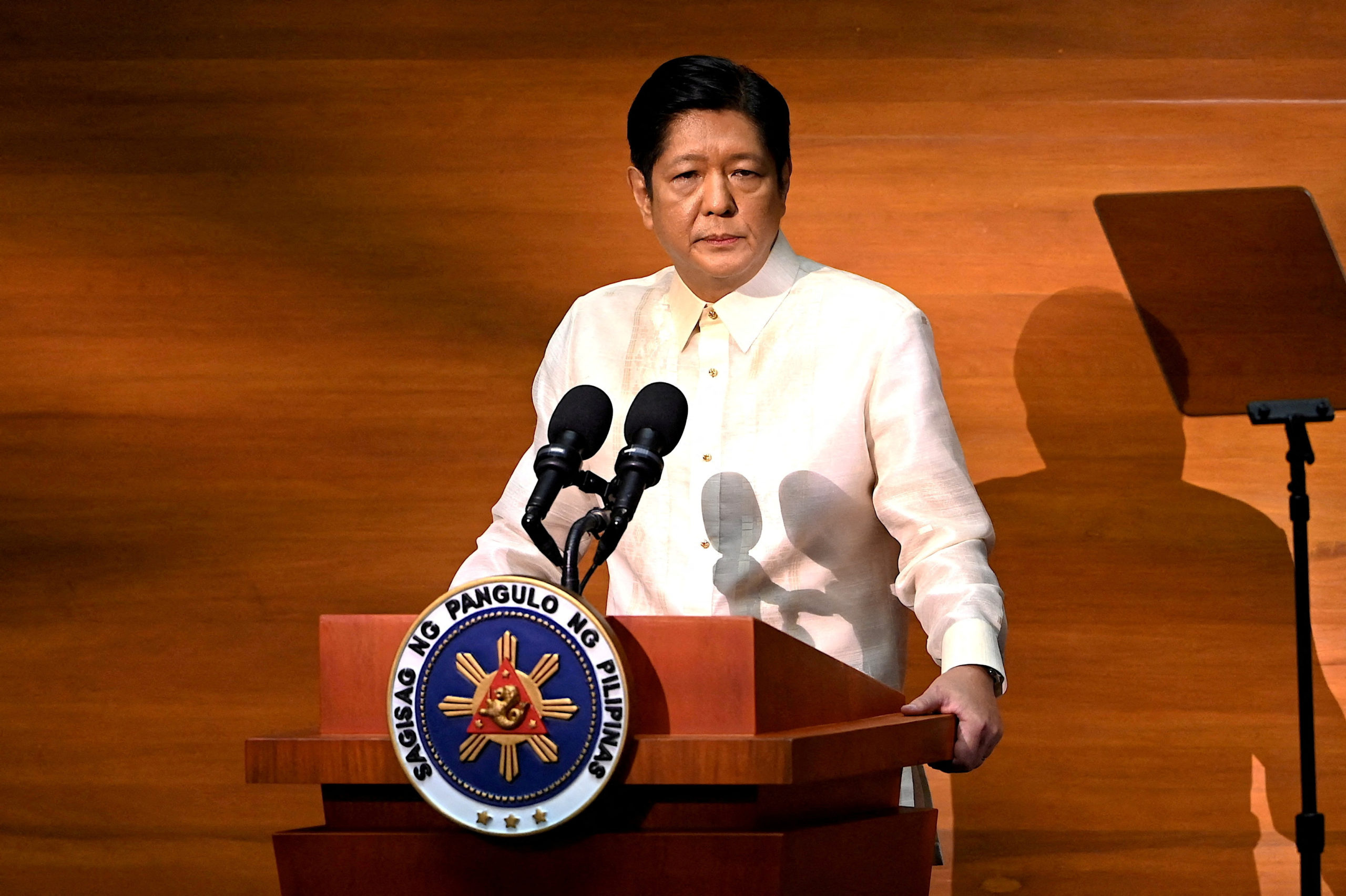
Marcos characterized these ongoing discussions as an essential step toward diversifying the national energy portfolio. While no binding contracts have been signed, the government is actively building a system to ensure consistent access to Russian products. By expanding its options, Manila seeks to insulate its domestic market from the volatility of traditional supply chains and prevent a repeat of the emergency conditions that necessitated a national energy declaration earlier this year.
Comments (0)
No comments yet. Be the first!