
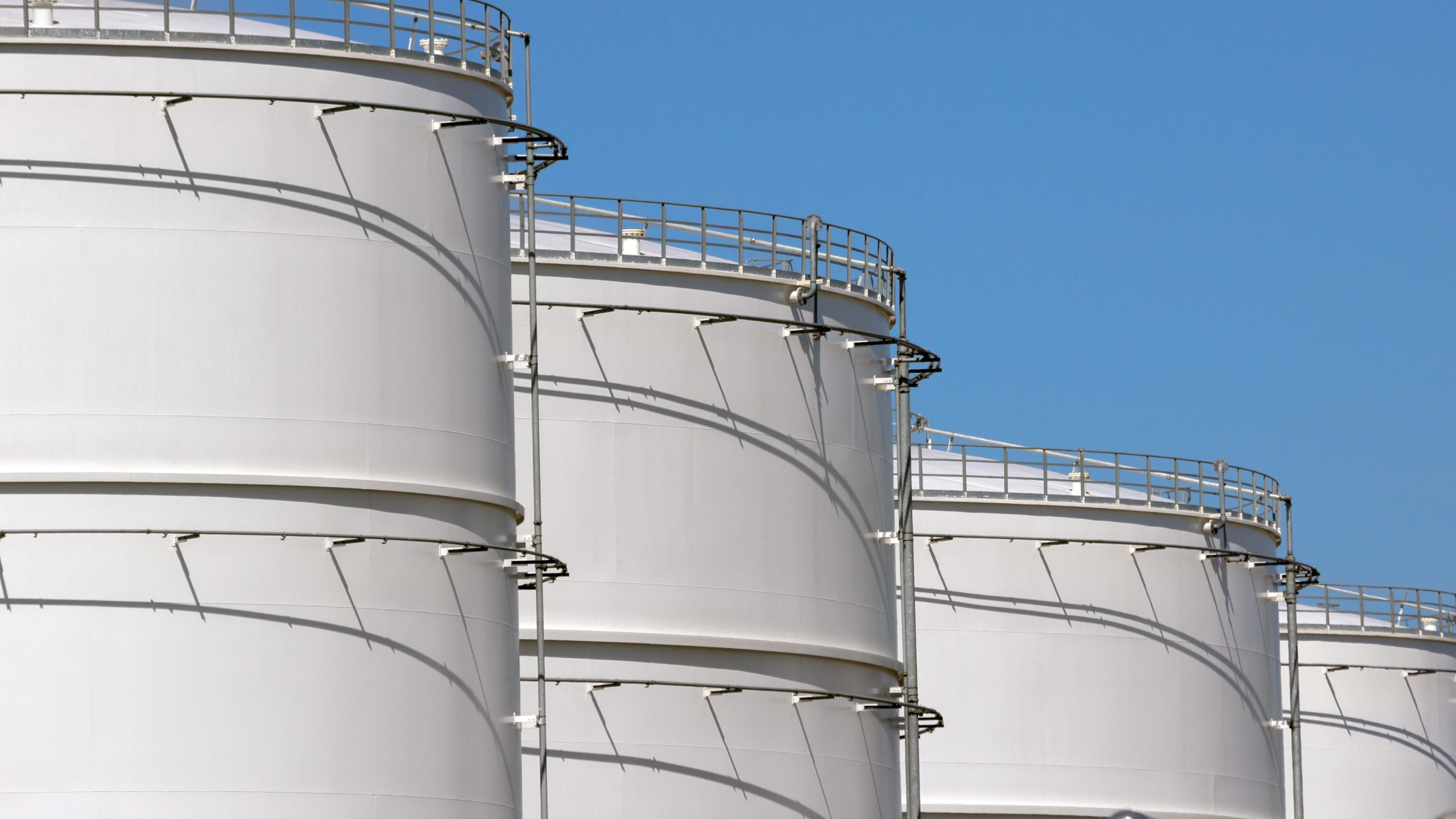
Though Germany officially maintains that physical supply levels remain sufficient, the ongoing debate over the waiver suggests a lack of confidence in immediate market stability. The country participated in the International Energy Agency’s record release of 400 million barrels earlier this year, contributing 19.5 million barrels to the effort, most of which remains held in reserve.
Brent crude has dipped below $80 per barrel as traders aggressively shed war-risk premiums. However, the logistical reality of the Strait of Hormuz tells a different story. Shipping firms and insurers remain hesitant, and the restoration of shuttered Gulf production is unlikely to be instantaneous. Germany’s recent history of scrambling to replace Russian pipeline imports—most notably the struggle to sustain the Schwedt refinery—has left officials wary of premature optimism. While traders bet on a swift normalization of supply chains, Berlin is preparing for the prospect that the return to pre-conflict conditions will be a slow, stuttering process.
Comments (0)
No comments yet. Be the first!