
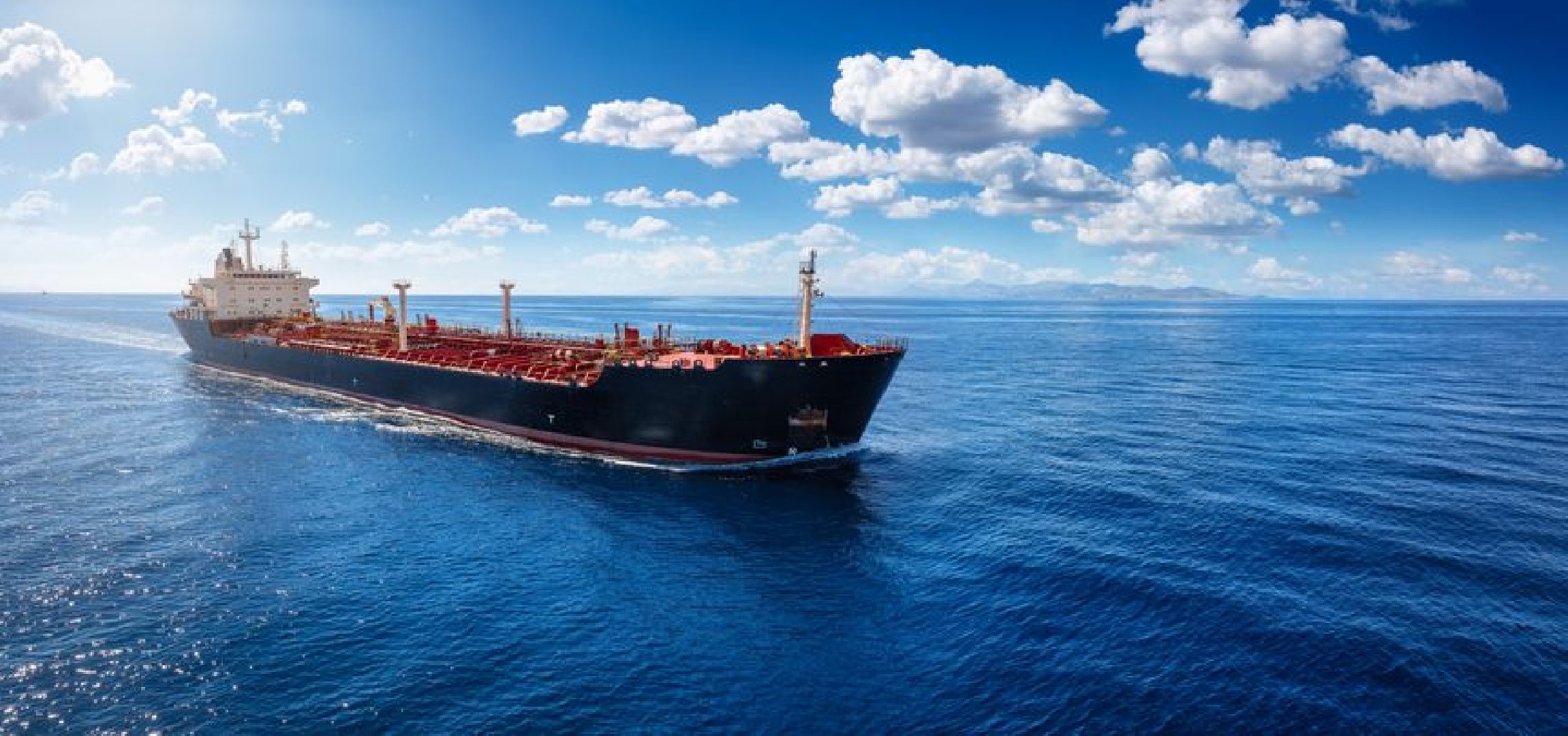
While presidents of the United States and Iran have signed a preliminary agreement to lift sanctions and reopen the vital waterway, the reliance on new export routes has fundamentally altered regional logistics. Goldman Sachs projects that daily oil flows through the chokepoint will reach 13 million barrels by late July, with full production capacity unlikely to materialize until October. Current transit data remains sparse; while visible flows hover at 1.3 million barrels daily, an additional 1.6 million barrels are moving via vessels that obscure their geolocation to bypass Iranian monitoring.
Energy producers have spent the conflict period insulating their exports from the volatility of the Strait. Saudi Arabia has cemented the role of its East-West pipeline, which now transports 7.5 million barrels daily to the Red Sea. Simultaneously, the UAE has exited OPEC and is fast-tracking a bypass pipeline slated for completion next year, while Iraq is actively expanding its northern export capacity through Turkey. These structural adaptations suggest that the Strait of Hormuz has lost its historical monopoly on regional oil transit, as producers prioritize supply chain resilience over traditional maritime routes.
Comments (0)
No comments yet. Be the first!