
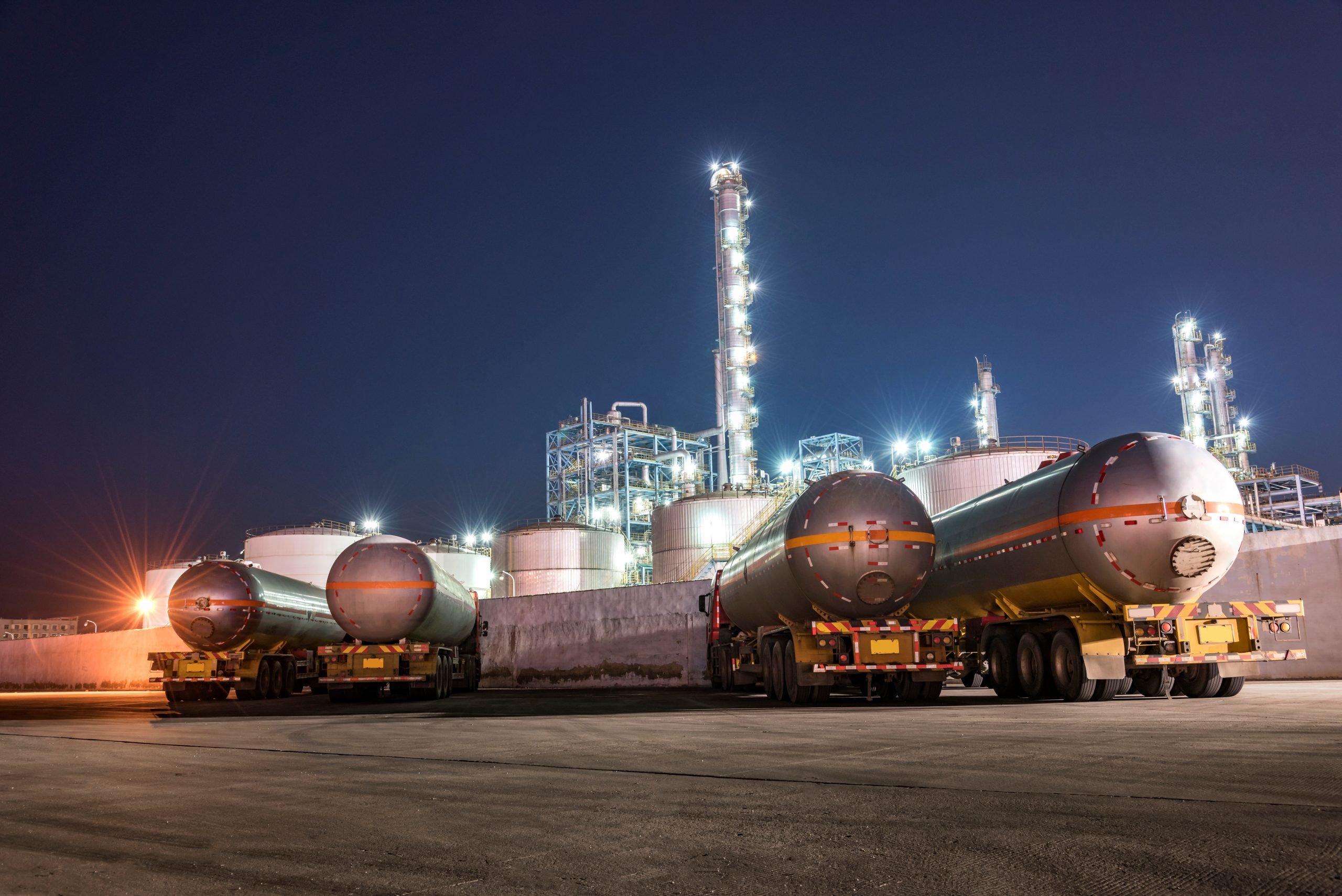
The ongoing instability has severely complicated transit through the Strait of Hormuz, forcing energy contractors to navigate damaged infrastructure and frequent employee evacuations. Alessandro Bernini, CEO of Italian engineering firm Maire, noted that these mounting overheads are eroding project margins and will inevitably filter down into broader energy price hikes and inflation. The difficulty of securing equipment delivery has become a primary bottleneck, with Saipem CEO Alessandro Puliti reporting that some of his company’s vessels have remained stalled outside the Strait of Hormuz for months.
To mitigate the risk of sudden supply interruptions, companies like National Energy Services Reunited (NESR) have shifted to long-term warehouse storage for essential materials. CEO Sherif Foda noted that these defensive measures often result in unrecoverable expenses that contractors must absorb directly. While higher oil prices have incentivized increased drilling activity in certain markets, the rising cost of personnel and transport continues to challenge the industry's recovery. Third-quarter results reflect this volatility, with SLB reporting a 9% sequential revenue increase in the Middle East and Asia, even as its figures remain below year-earlier levels, while Baker Hughes recorded a 13% decline in regional oilfield services revenue.
Comments (0)
No comments yet. Be the first!