
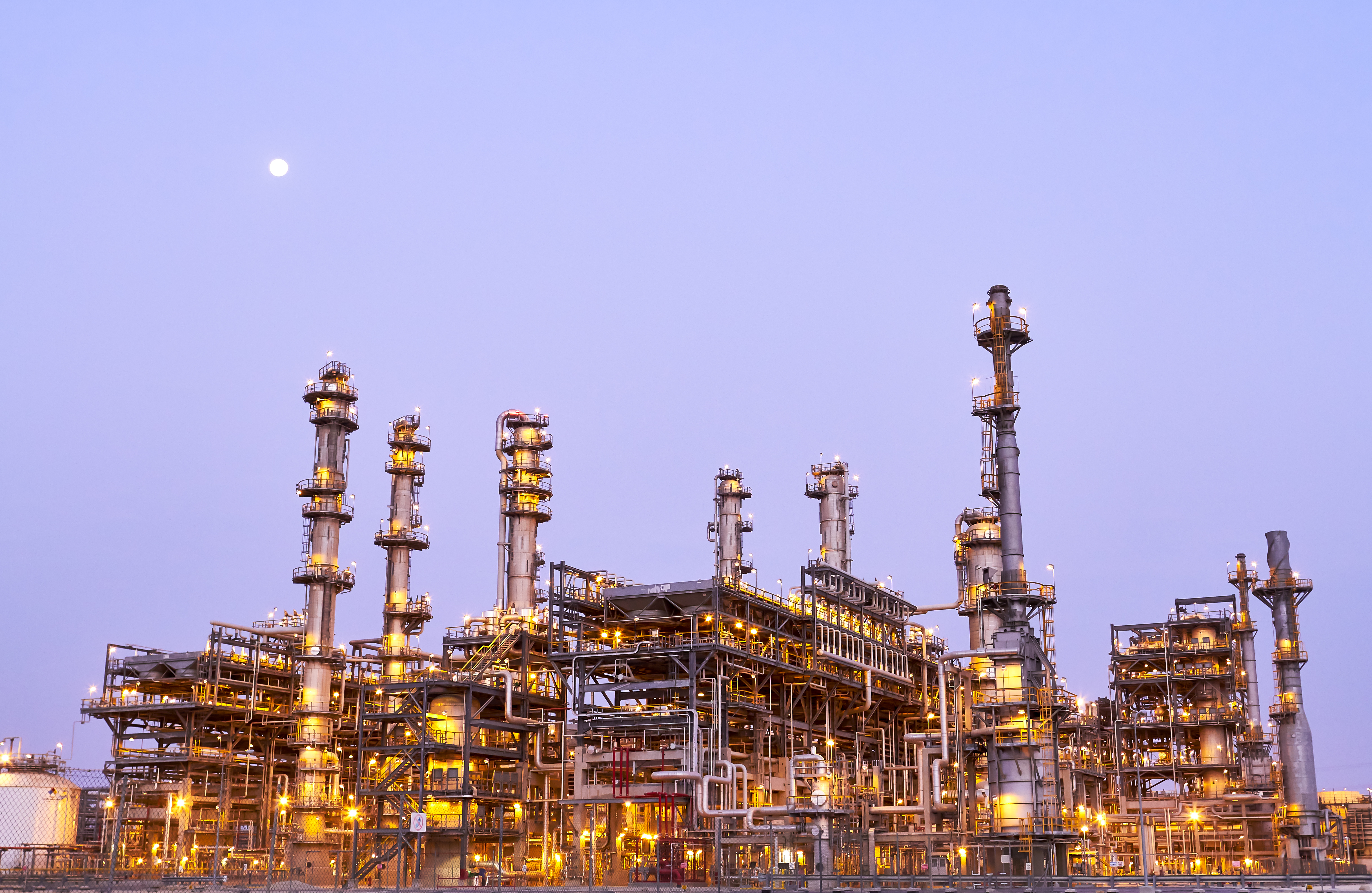
Aramco’s recent decision to seek partnerships for expanded strategic stockpiles abroad represents a seismic policy shift. Historically, the Kingdom managed market volatility by adjusting domestic production or drawing from local reserves. By moving millions of barrels directly into the backyards of Asian customers—starting with a deal to store crude in Singapore’s Jurong Rock Caverns—Riyadh is attempting to insulate its revenue from potential drone strikes or maritime blockades near the Strait of Hormuz.
This strategic hedging follows a series of high-profile failures in U.S.-sourced defense systems. Despite Riyadh spending billions on Patriot and THAAD interceptors, Iranian proxies successfully targeted critical facilities like Abqaiq and Khurais, as well as the East-West Pipeline. These vulnerabilities have forced Saudi Arabia to seek alternatives, including the India–Middle East–Europe Economic Corridor (IMEC) and the newly formed Makkah Defence Alliance with Turkey and Pakistan. As the U.S. security umbrella appears increasingly porous, Riyadh is signaling that it can no longer rely on American hardware to guarantee the seamless flow of its oil to global markets.
Comments (0)
No comments yet. Be the first!