
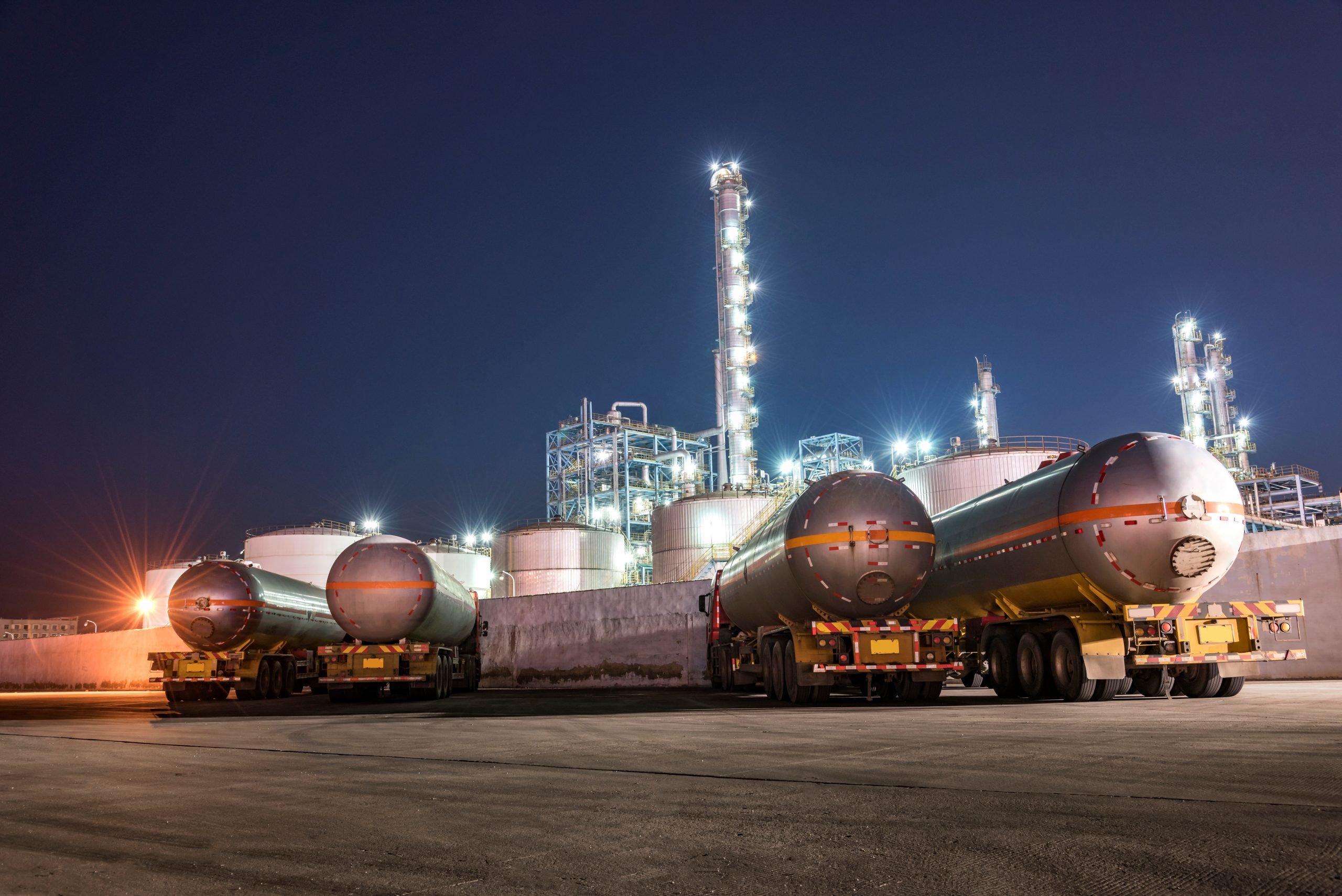
For years, ocean freight was a negligible line item in the global energy trade. Today, the economics have shifted as geopolitical instability forces tankers onto longer, riskier routes. According to industry data, shipping 2 million barrels of crude from the U.S. to Japan now costs roughly $81 million, a staggering climb from the $9 million required for the same voyage just a year prior. This surge effectively acts as an invisible tax, decoupling the price of oil at the wellhead from the cost paid by the refinery.
The resulting bottleneck is reshaping global trade. When transport costs become prohibitive, refiners in Asia pivot to closer suppliers, leaving heavy crude to accumulate in the Americas. This creates a market paradox where one region suffers from a supply glut while another faces scarcity, not because of a lack of oil, but because the logistical bridge between them has become too expensive to cross.
Ultimately, these shipping costs are embedded in the final price of gasoline and diesel. As tanker availability remains constrained by rerouting and higher insurance premiums, the energy market is learning that production volume is only half the battle. When the infrastructure of global transit becomes the primary constraint, adding more supply at the source fails to lower prices for the end consumer.
Comments (0)
No comments yet. Be the first!