
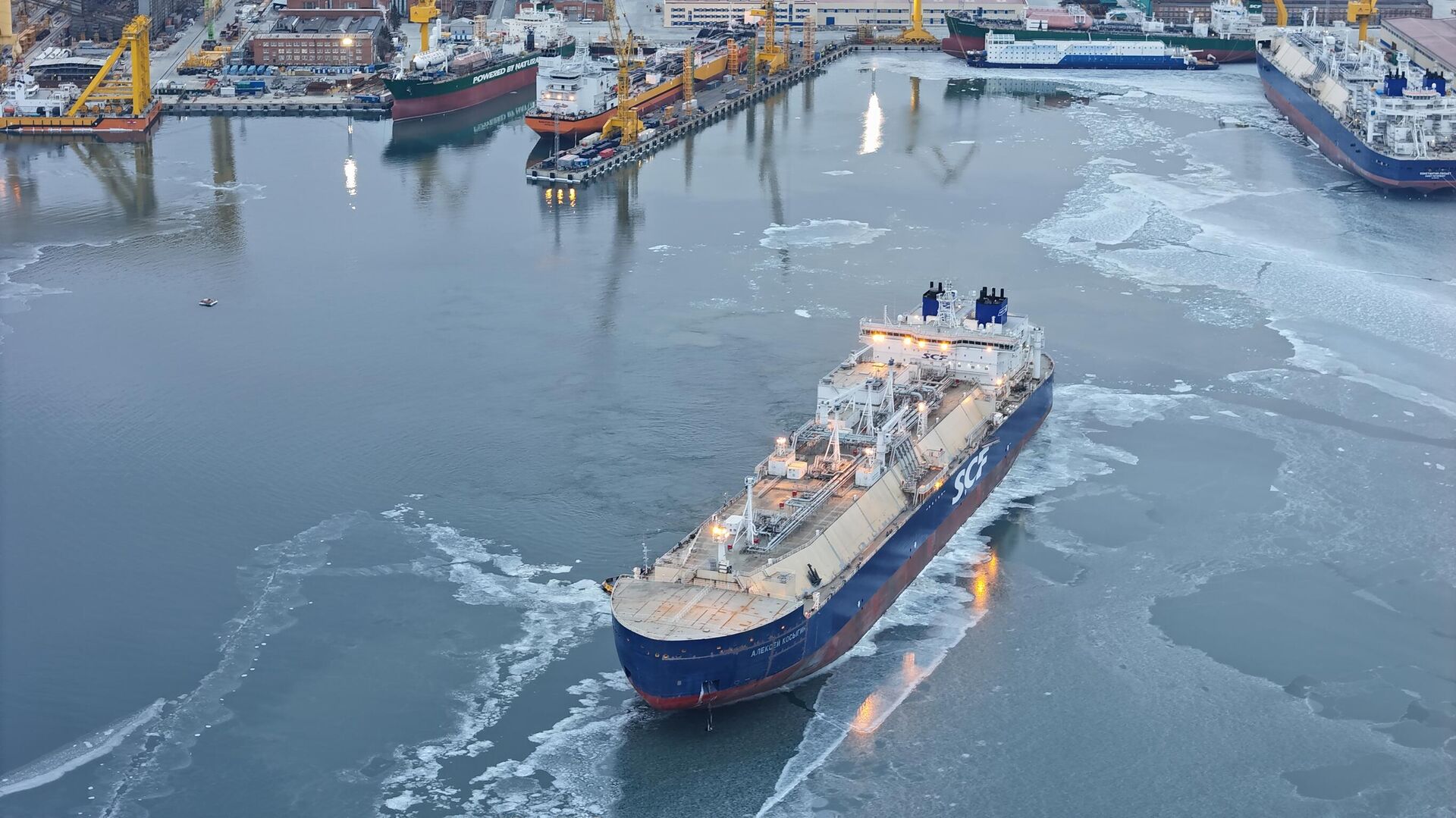
Between July and mid-October, Russia pushed 20 million barrels of crude through the Arctic corridor, a volume marking a nearly 50% increase over the previous year. Traders anticipate an additional 5 to 10 million barrels will transit the route before the navigation window closes, significantly outpacing the 13 million barrels recorded during the last season. While the 13,947-kilometer path is physically shorter than the 20,921-kilometer Suez Canal route, its reliance on specialized ice-class vessels and high operational costs makes it a strategic necessity rather than a cost-saving measure.
The Arctic serves as a vital bypass for Russian energy, providing a path insulated from Western maritime inspections and port restrictions that frequently plague tankers in European waters. As tanker freight rates climb to record highs due to global bottlenecks, Moscow is scaling up its long-term infrastructure. Gazprom Neft plans to boost its Arctic shipments by 35% this year, while the government has committed 2 trillion rubles toward a massive expansion program. This effort includes the construction of over 50 ice-class vessels and comprehensive rescue infrastructure, aiming to double cargo turnover on the route to 70 million tons annually by 2030.
For major importers, the shift reflects a broader decoupling from traditional Middle Eastern supply chains. India, in particular, has aggressively pivoted toward non-Hormuz channels to feed its refining hubs in Jamnagar and Paradip. Meanwhile, China continues to balance overland supplies via the ESPO pipeline with increased seaborne arrivals from Pacific terminals like Kozmino. As regional conflicts continue to disrupt global shipping, the Northern Sea Route has transitioned from a niche development project into a foundational element of Russia's energy export architecture.
Comments (0)
No comments yet. Be the first!