
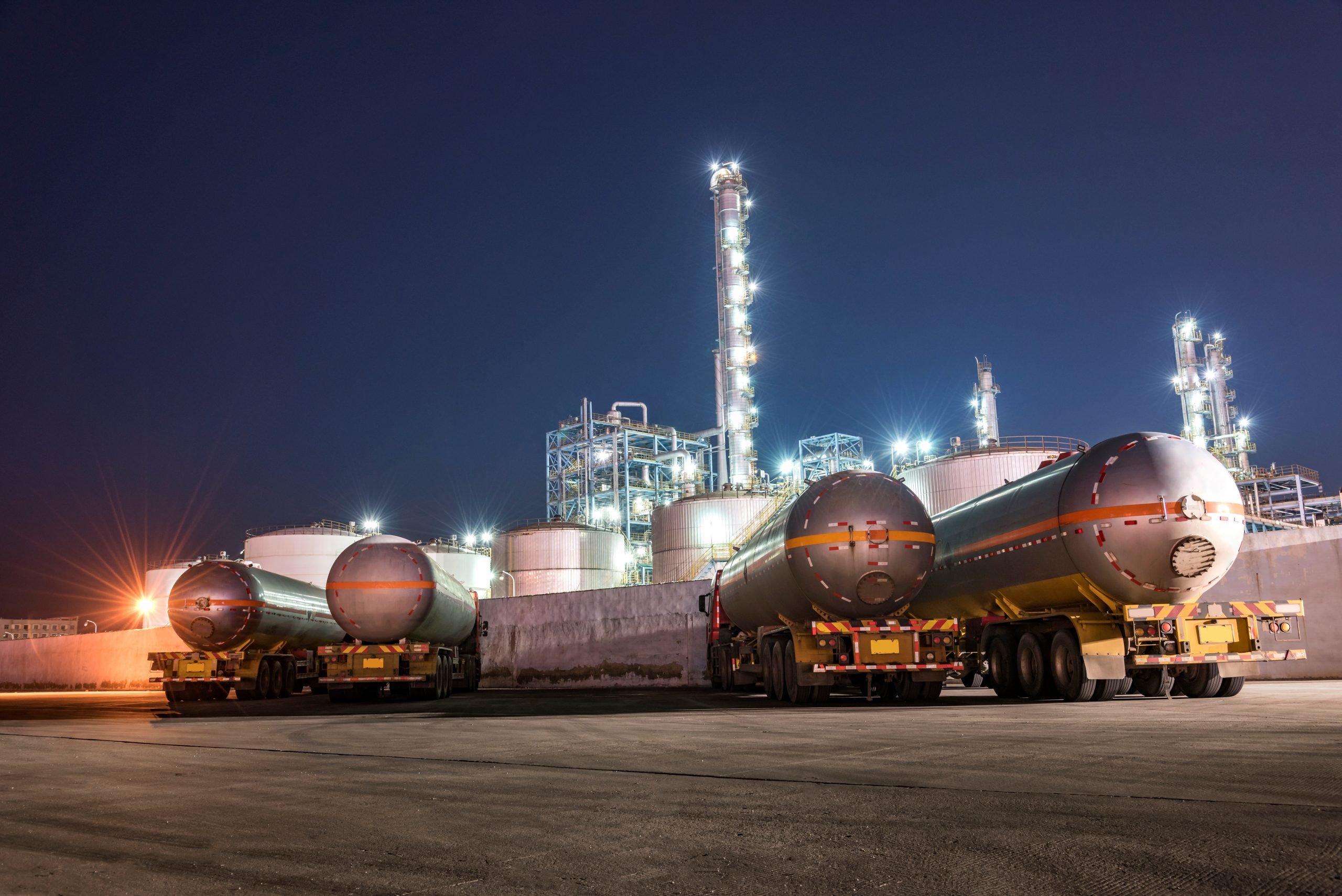
The current logistics crunch stems from the Iran conflict, which has forced a reshuffling of trade routes and left Very Large Crude Carriers (VLCCs) tied up in inefficient shuttle services. With tankers sitting idle for weeks awaiting ship-to-ship transfers in the Gulf of Oman, the availability of vessels for major global routes has plummeted. This scarcity has effectively closed the arbitrage window for U.S. crude delivered to Asia, compelling refiners to secure regional volumes on a delivered basis to mitigate ballooning expenses.
European refiners are mirroring this defensive stance by prioritizing nearby oil sources to bypass volatile freight markets. These regional preferences have caused a sharp divergence in global pricing: Dated Brent and Norway’s Johan Sverdrup crude have reached record premiums of $20 and $24 per barrel respectively, according to Wood Mackenzie data. Conversely, exporters of distant crudes are feeling the pressure as they slash prices to remain competitive. West African producers have pushed discounts to record lows—some as deep as $20 below the benchmark—to offset the prohibitive costs of long-distance shipping to Asian markets.
Comments (0)
No comments yet. Be the first!