
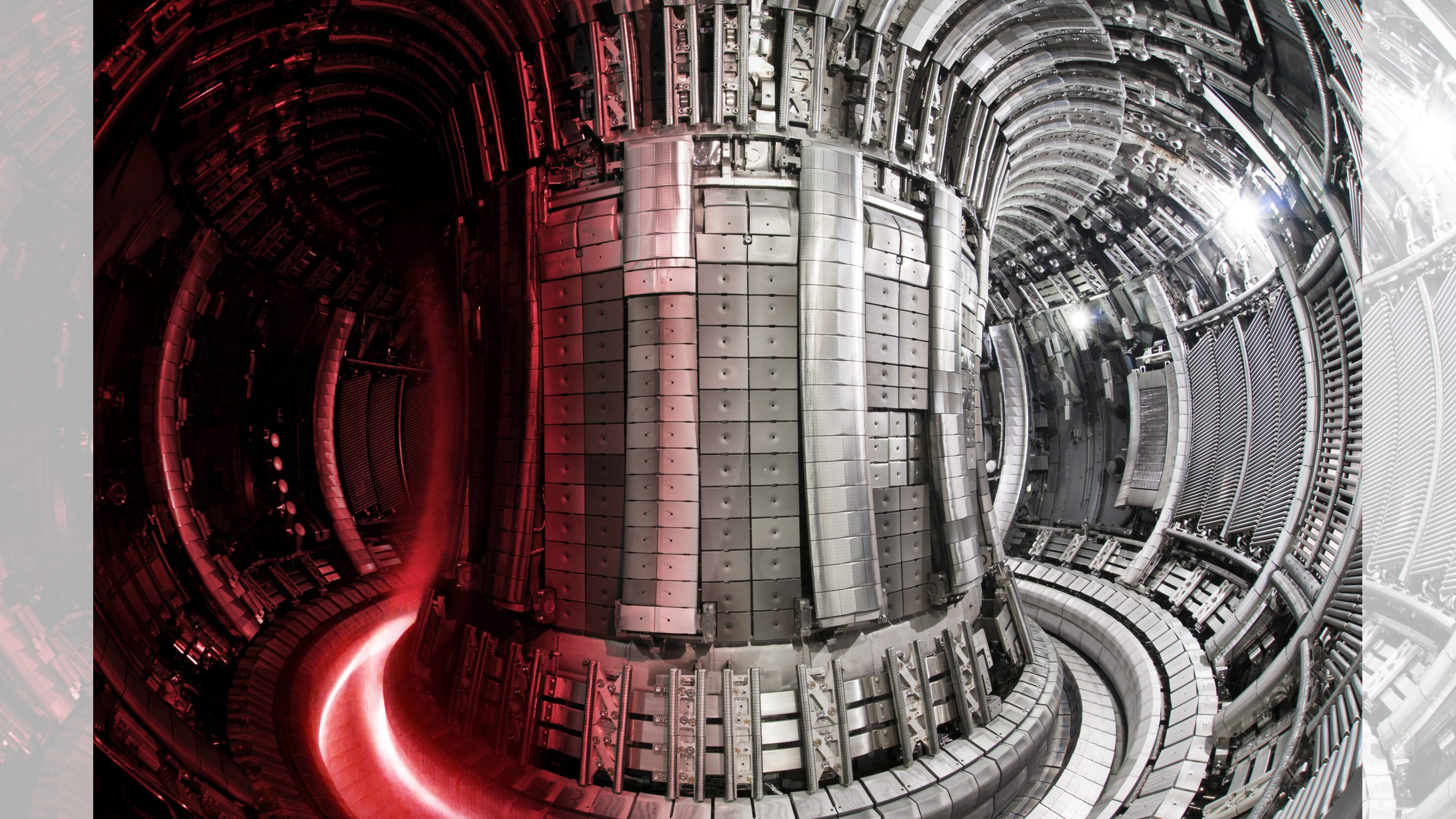
The standard approach to fusion has long relied on compressing plasma to achieve high density before applying extreme heat. By flipping this order, researchers believe they can minimize the energy inputs required to reach ignition—the point where an experiment produces more energy than it consumes. While the Lawrence Livermore National Laboratory achieved the first historic ignition in 2022, the industry remains far from the efficiency needed for practical power generation.
However, the Princeton team identified a critical vulnerability for current reactor designs. Their modeling shows that even trace amounts of tungsten—as little as one part in 10,000—can double the pressure required for ignition. This finding poses a direct challenge to the numerous startups and next-generation reactor designs currently utilizing tungsten for its heat-resistant properties. To mitigate this contamination risk, researchers suggest coating reactor walls with materials like liquid lithium. PPPL physicist Jonathan Menard noted that while further study is required, these findings provide a necessary roadmap for future experiments. As fusion attracts record venture capital from figures like Sam Altman and Bill Gates, such technical refinements are becoming essential to solving the energy demands of the AI era.
Comments (0)
No comments yet. Be the first!