
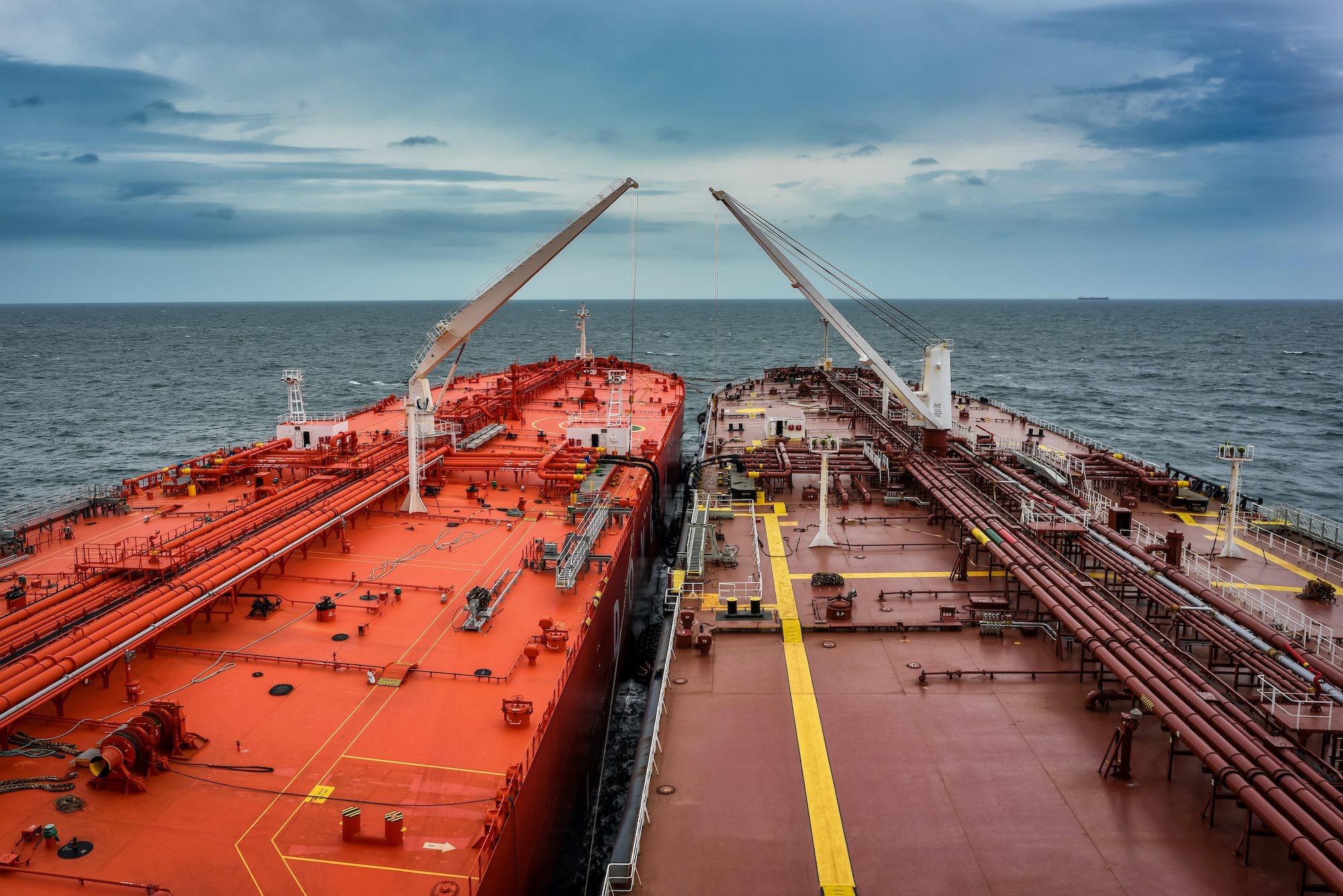
For seven months, Japan-linked vessels largely abandoned the Middle East, opting to source crude through transfers near India or Southeast Asia. While a window of opportunity allowed some ships to exit the Persian Gulf during a brief U.S.-Iran ceasefire in June and July, the industry remains wary of the risks associated with the Strait of Hormuz. Data from Kpler indicates that volumes handled through regional ship-to-ship operations have climbed steadily since August, reflecting a strategic shift in logistics.
This trend serves as an attempt to balance the necessity of Middle Eastern crude with the imperative of cost optimization and safety. Mitsui OSK Lines, the world's largest tanker operator, recently signaled that shipping disruptions in the region are likely to persist well beyond the end of the year. By conducting transfers in the Gulf of Oman, Japanese refiners maintain access to essential energy markets without forcing their fleets into the high-risk transit zones that have defined the regional conflict.
Comments (0)
No comments yet. Be the first!