
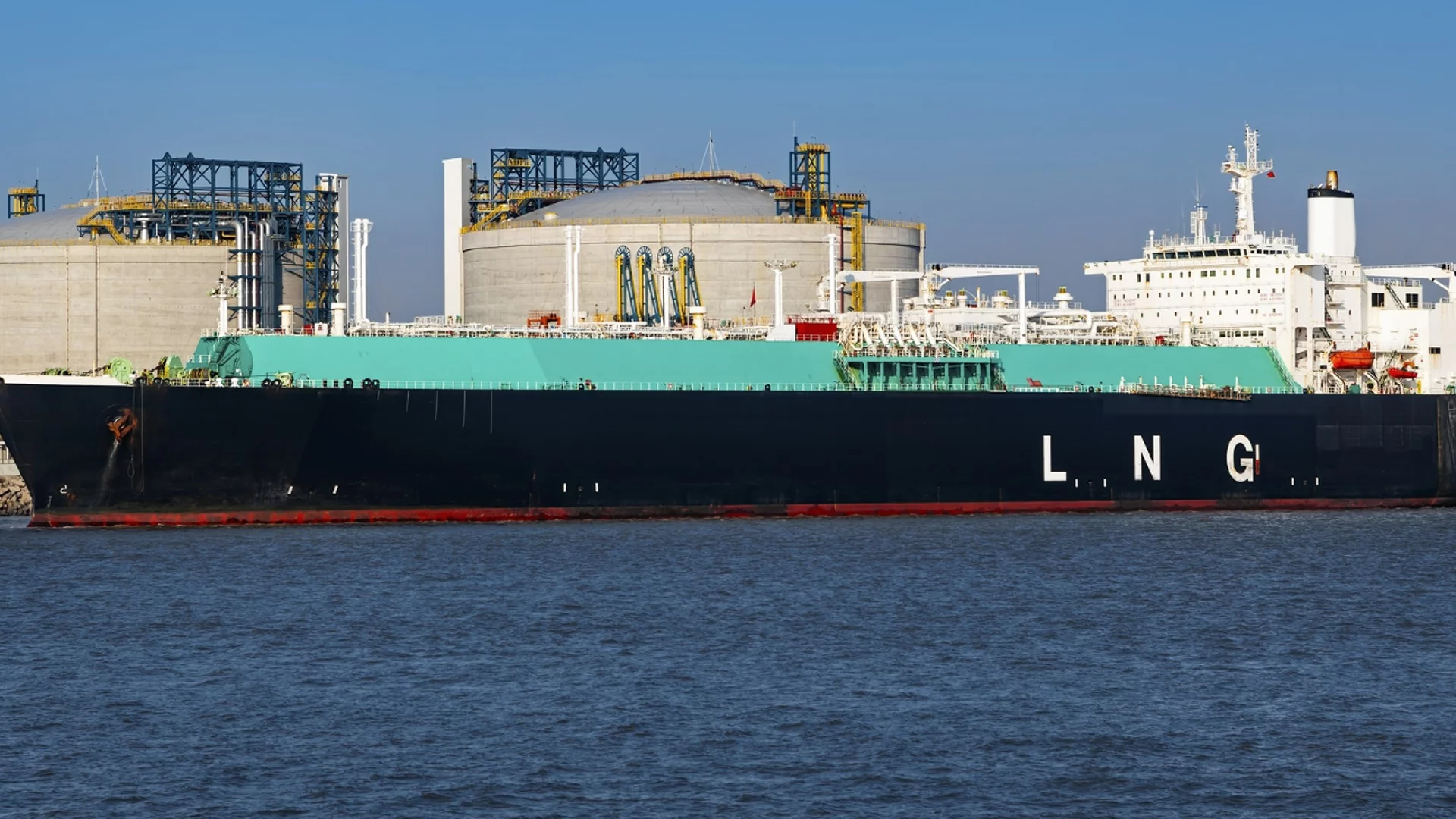
The supply crisis follows a March declaration of force majeure by Qatar after Iranian strikes damaged the Ras Laffan export hub. With transit through the Strait of Hormuz compromised, Pakistan has struggled to maintain its energy infrastructure, resulting in over 2.5 million tonnes of gas demand destruction. Wood Mackenzie identified Pakistan as the hardest-hit market in South Asia, noting that the country has been forced to curtail industrial demand and switch fuel sources to compensate for the shortfall.
While some vessels have reached Pakistani ports following Iranian security assurances, the reliance on expensive spot market purchases has significantly inflated national power generation costs. These emergency procurements, scheduled for delivery between November 2026 and February 2027, arrive as global competition for LNG intensifies ahead of the winter season. The government’s decision to secure these high-priced shipments underscores the precarious state of the country’s energy security as it attempts to stabilize its grid against persistent supply disruptions.
Comments (0)
No comments yet. Be the first!