
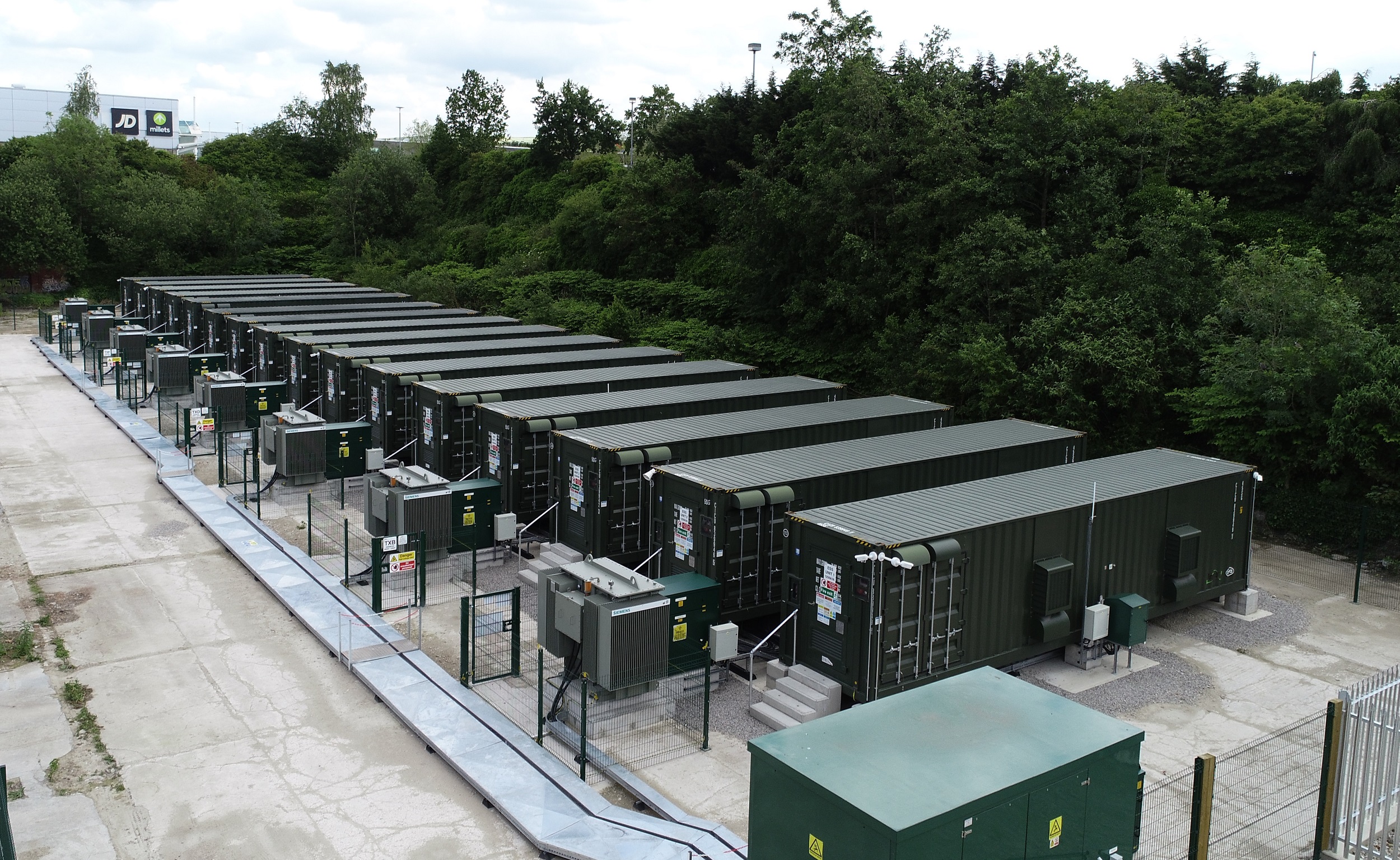
The aggressive growth forecast, detailed in a report by Nuvama, implies a compound annual growth rate of 91% over the next eight years. While the Central Electricity Authority offers a more conservative estimate of 236 gigawatt-hours by 2032, the consensus among industry experts remains clear: current storage levels are insufficient to manage the country's rapid solar and wind expansion.
To bridge this gap, authorities will mandate that developers of new solar and wind projects include on-site battery storage starting July 1, 2027. This regulatory move addresses chronic curtailment issues that have historically hindered the full utilization of renewable assets. According to Ashok Jhunjhunwala of IIT Madras, storage is the lynchpin of the nation's energy transition, essential for converting volatile renewable output into a reliable, affordable power system. As demand climbs, the India Energy Storage Alliance projects the country will eventually require 888 gigawatt-hours of capacity by the mid-2030s to maintain grid integrity.
Comments (0)
No comments yet. Be the first!