
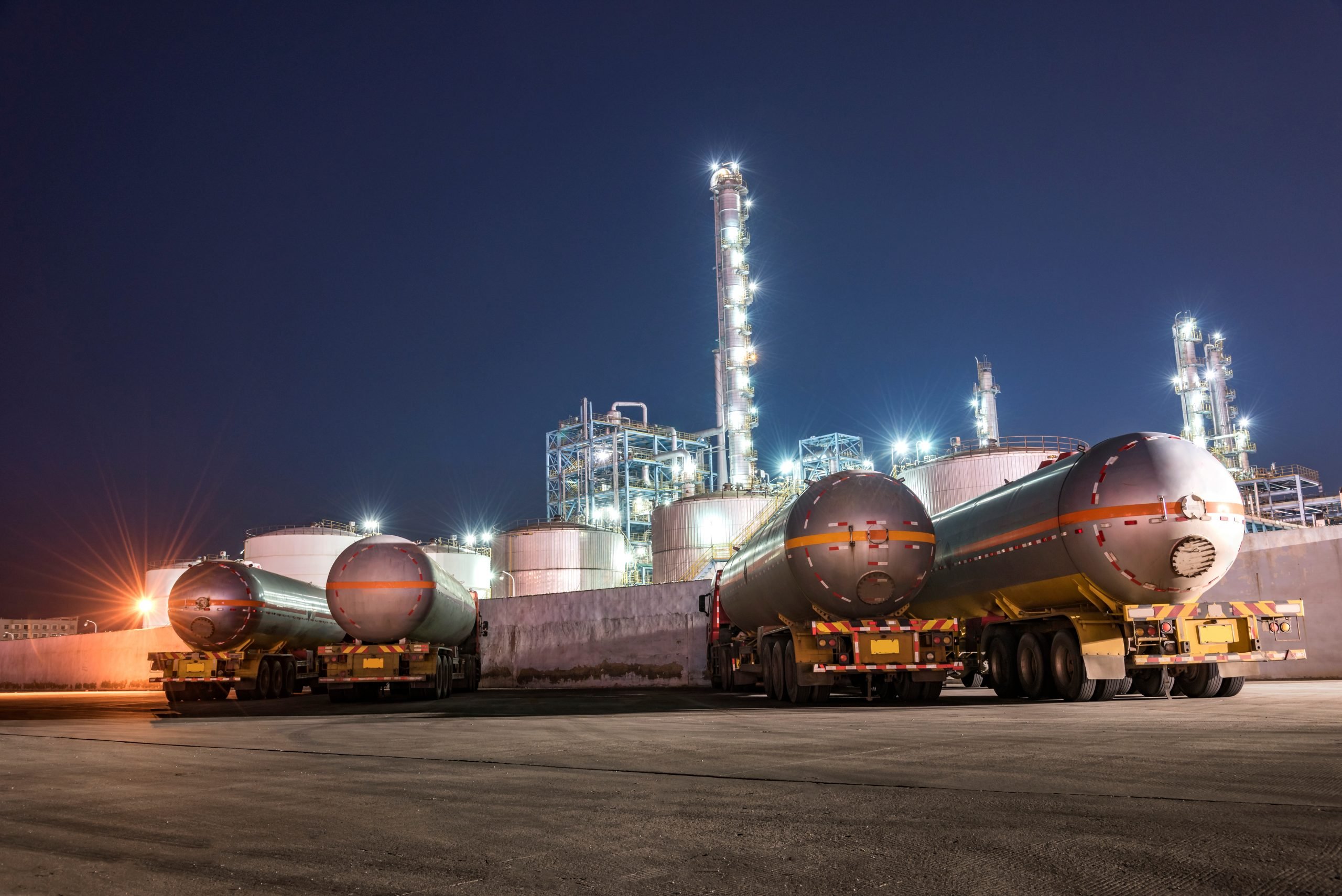
Analysts at Kpler report that crude shipments through the strait plummeted 27% from recent highs, dropping to 10.1 million barrels per day. On Tuesday, only seven commodity carriers were recorded traversing the waterway, the lowest count since late July. This decline coincides with a surge in violence; a U.S. Navy-led center documented at least 12 attacks on tankers carrying crude, LPG, and LNG between September 28 and October 2, including a strike on a vessel in the Gulf of Oman.
Despite claims of productive diplomatic talks with Iran, the United States has expanded its sanction net, recently targeting 17 additional tankers linked to the transport of Iranian crude and petrochemicals. The volatile security environment has catalyzed a severe shortage of available vessels. Record-high freight rates for Persian Gulf routes, driven by the acute risk of conflict, have effectively tightened global supply chains. As ship-to-ship transfers further strain the availability of carriers, the resulting logistical friction is pushing physical delivery prices higher, offsetting any cooling effects from presidential rhetoric.
Comments (0)
No comments yet. Be the first!