
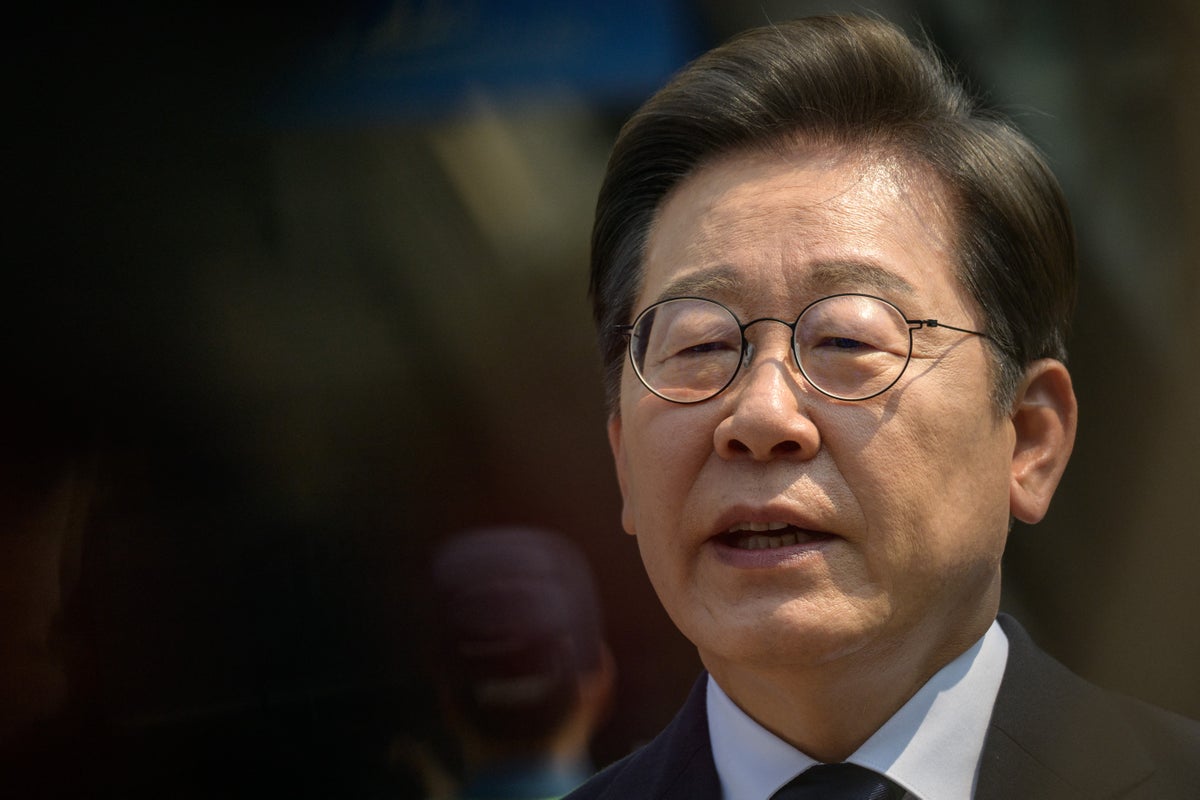
The K-GX strategy mandates 100 gigawatts of renewable energy capacity by 2030, a move designed to insulate the economy from the volatility of global commodity markets. President Lee Jae Myung emphasized that the country must transition from a follower to a primary architect of the global green market. Beyond power generation, the plan targets deep decarbonization across heavy industries, specifically steel, cement, semiconductors, and petrochemicals.
Energy security remains a primary driver for this fiscal commitment. Frequent disruptions in the Strait of Hormuz have exposed the vulnerability of South Korea’s refiners, who rely heavily on imported crude and LNG. Research from the think tank Ember underscores the scale of the potential savings: shifting toward domestic renewables could mitigate the country’s massive $133 billion annual fossil fuel import bill. By hitting the 100-GW target, Seoul projects an additional $12 billion in annual savings, shielding the national budget from the geopolitical shocks that currently threaten its supply chains.
Comments (0)
No comments yet. Be the first!