
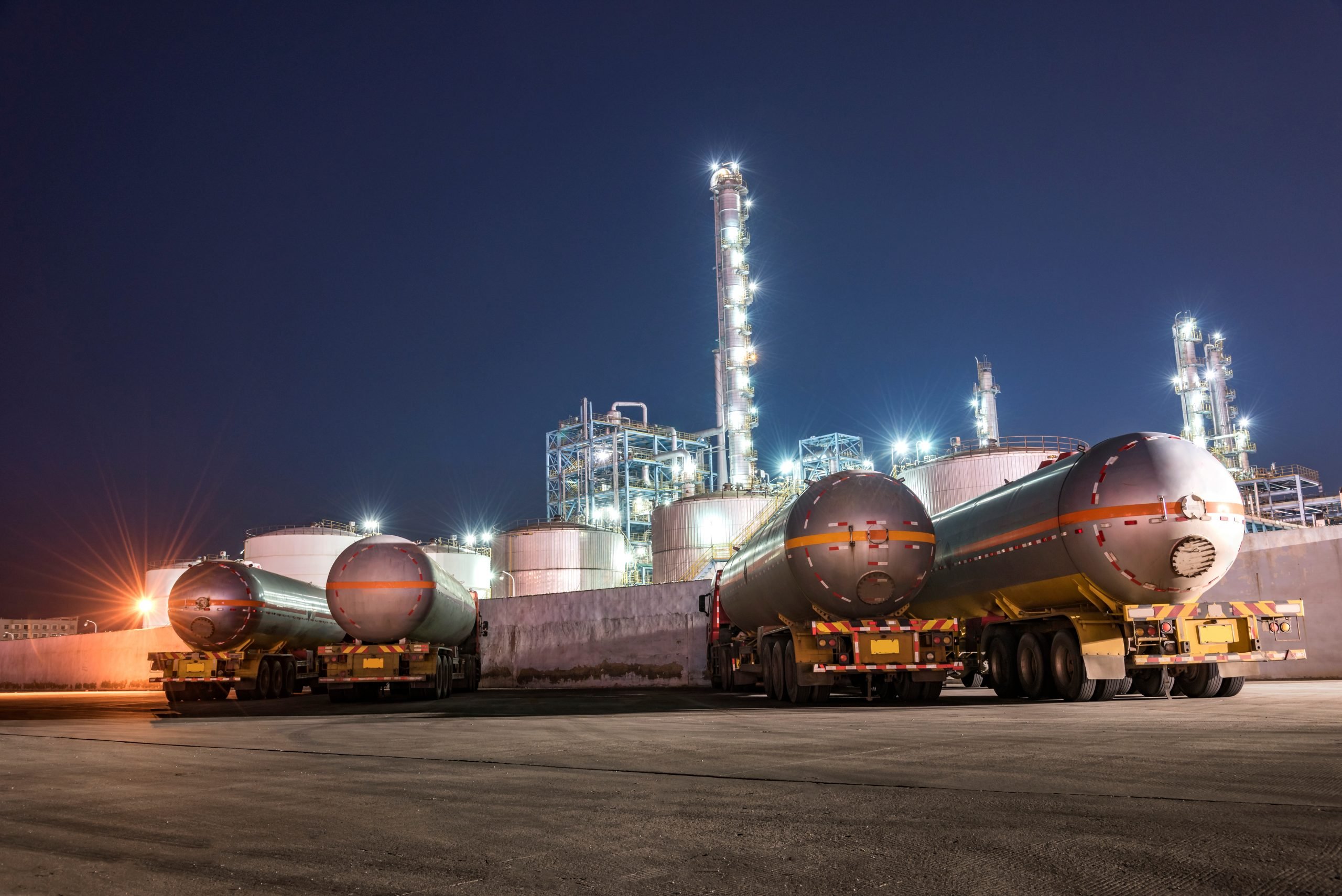
Industry data indicates that crude tanker transits have steadily increased since mid-July, defying expectations for a region mired in an eight-month conflict. JP Morgan analysts noted that September exports hit 98 percent of pre-war levels, a surge attributed to strategic workarounds. Producers are increasingly relying on pipelines like the Saudi East-West conduit and the UAE’s link to Fujairah to bypass the volatile Strait of Hormuz. When tankers must transit the chokepoint, operators are utilizing smaller shuttle vessels and Omani-coast convoys protected by the US Navy to mitigate exposure.
Despite this logistical success, the physical dangers remain acute. Unknown projectiles struck three Liberian-flagged tankers on September 30, underscoring that the region is far from secure. Richard Meade of Lloyds List noted that the market has simply priced in these risks rather than resolving the underlying instability. Furthermore, this export recovery fails to address the critical refinery bottleneck. The International Energy Agency reports that roughly 3 million barrels per day of refining capacity remains offline due to regional attacks and broader disruptions. With global refineries already stretched thin, the disconnect between rising crude exports and restricted fuel output continues to exert upward pressure on international diesel prices.
Comments (0)
No comments yet. Be the first!