
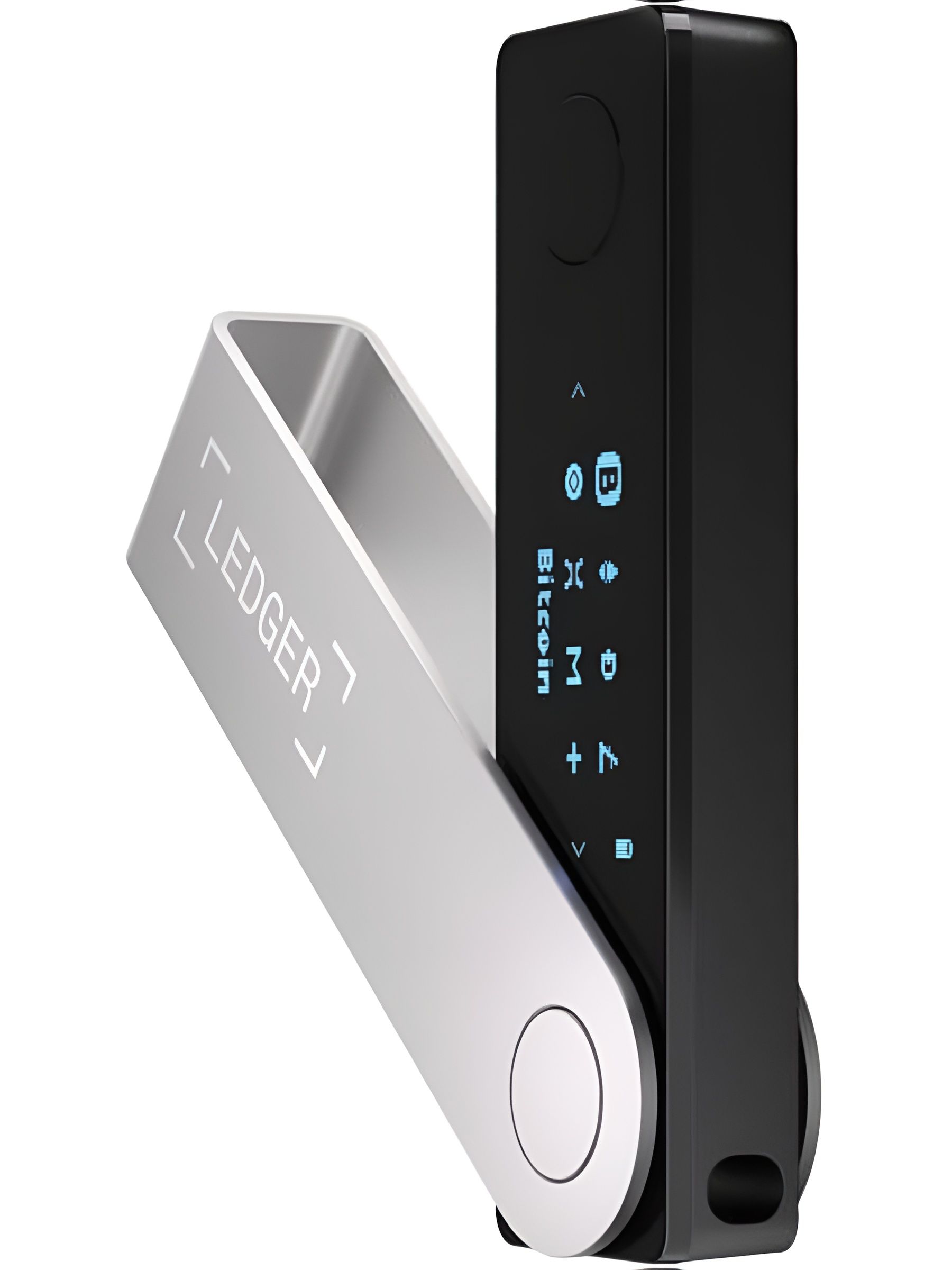
The Directorate General of Taxes (DGT) outlined this position in binding consultation V0848-26, issued on April 21. Under the existing framework, Form 721 requires residents to report virtual currencies held abroad, but the obligation is strictly tied to holdings managed by external entities that safeguard cryptographic keys on behalf of clients. Whether a wallet is classified as "hot" or "cold" is irrelevant to the regulation; the tax agency focuses exclusively on who maintains the means of access to the assets.
This distinction relies on definitions borrowed from the European Union’s Markets in Crypto Assets (MiCA) framework, which defines custody as the act of controlling assets or access credentials for third parties. If a taxpayer stores their own keys—even using a physical hardware device or a foreign-registered entity that they personally control—the assets do not trigger the declaration requirement. Conversely, if a foreign third party manages those keys, the reporting obligation applies to anyone holding assets exceeding the €50,000 threshold.
While self-custody simplifies the Form 721 process, it does not grant total anonymity from tax oversight. The EU’s DAC8 regime, effective as of January 2026, mandates that regulated crypto service providers track transactions between their platforms and external, self-custody addresses. Consequently, while the assets themselves may not be subject to the overseas declaration, movement between private wallets and regulated exchanges remains visible to tax authorities through the service providers' mandatory reporting.
Comments (0)
No comments yet. Be the first!