
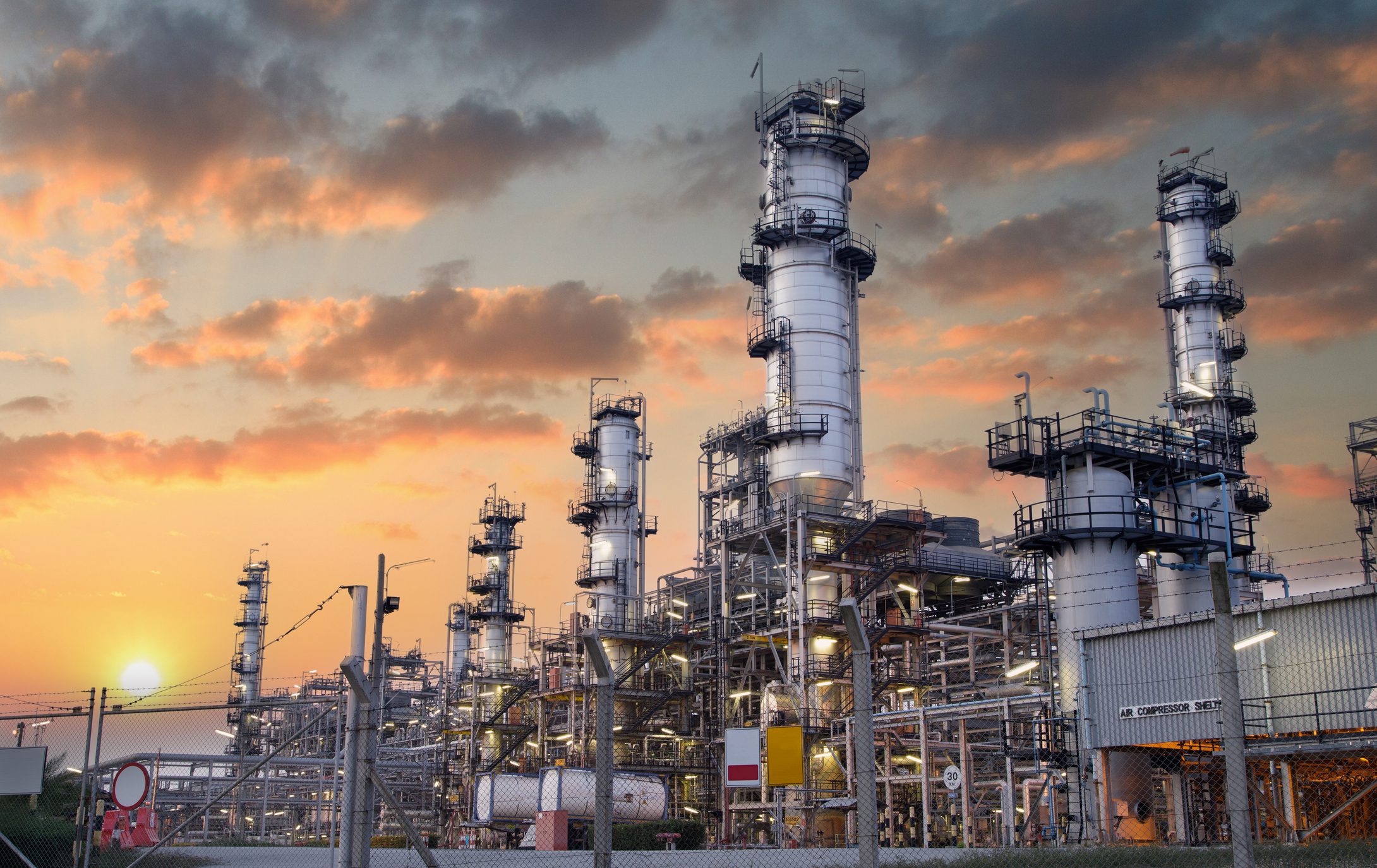
Energy Secretary Chris Wright argues that the proposal is a blunt instrument that ignores the mechanics of refinery operations. If domestic refineries cannot export their surplus, they will quickly run out of storage space. This inevitable bottleneck would force companies to slash production, tightening the supply of not just diesel, but also gasoline and jet fuel. Wood Mackenzie projects that a 90-day ban would force a 2-million-barrel daily reduction in refinery runs, shifting the financial burden directly onto American drivers at the gasoline pump.
Global market dynamics further complicate the picture. While proponents suggest that excess crude oil could simply be exported instead, the world faces a critical shortage of refining capacity outside the United States. China remains the only major player with significant spare capacity, and there is no guarantee they would step in to fill the void. Meanwhile, the logistical reality is already grim: freight and insurance costs have skyrocketed due to geopolitical instability, with tanker journeys from the U.S. Gulf Coast to Asia now costing roughly $50 million compared to $16 million just months ago. With U.S. refiners already producing 5.1 million barrels of diesel daily against a domestic demand of 3.6 million, the current supply is theoretically sufficient. A forced export ban risks destabilizing this balance, ultimately punishing the very consumers it intends to protect.
Comments (0)
No comments yet. Be the first!