
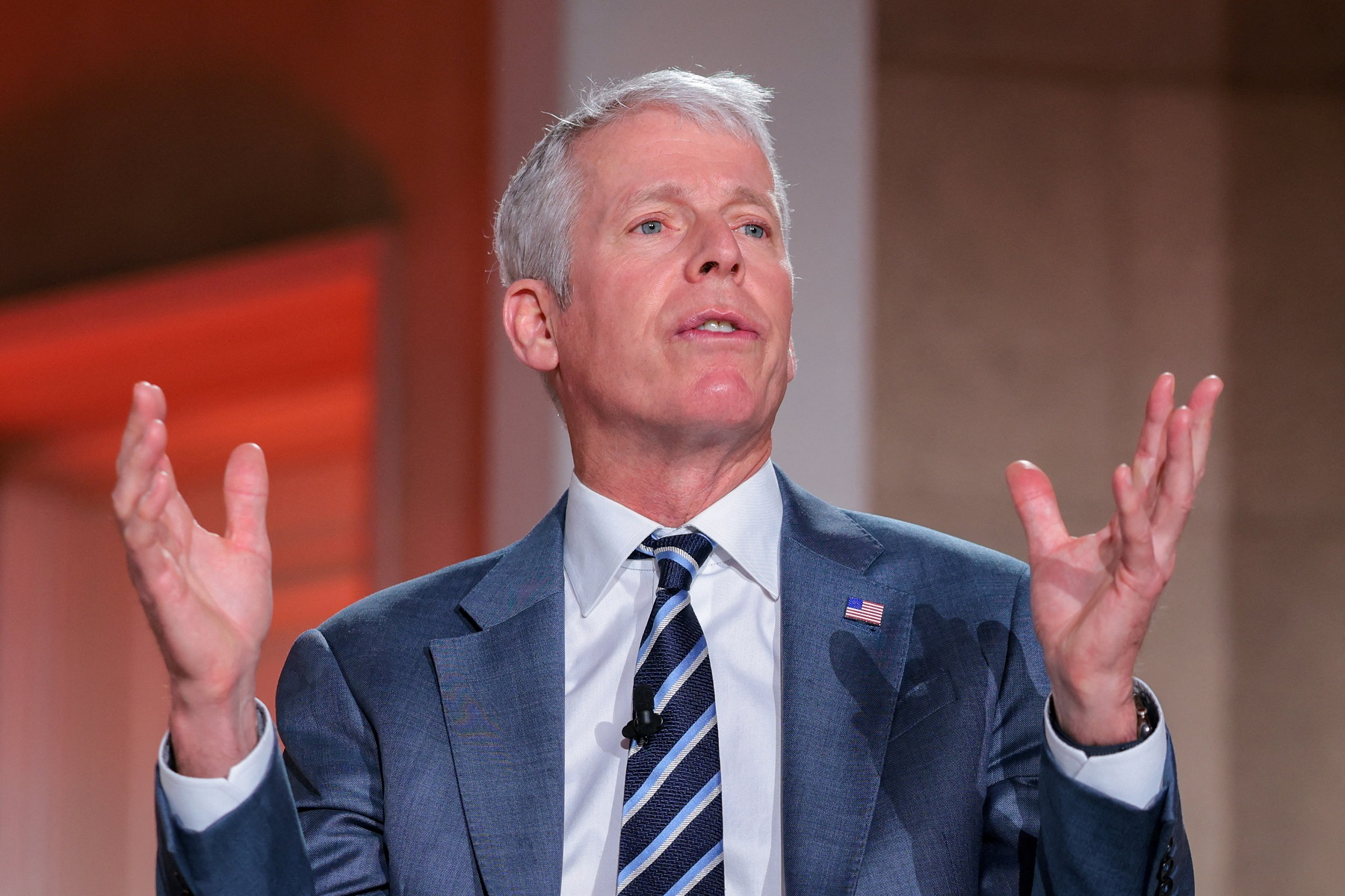
The warning places Wright in direct opposition to President Trump, who recently suggested that a ban might be necessary to combat record-high fuel prices. Treasury Secretary Scott Bessent has been tasked with evaluating the feasibility of such a move, a signal that has already sparked volatility in global markets. European diesel premiums over Brent crude surged to a record $95 per barrel following the announcement, reflecting fears that the primary supplier to the region could suddenly withdraw from the global trade.
Industry experts emphasize the systemic risk of such a policy. The US currently accounts for roughly 20% of the 8 million barrels of diesel traded by sea daily. According to the American Petroleum Institute, removing these volumes would not lower prices but instead damage the global economy and potentially force domestic refinery runs to drop by as much as 2 million barrels a day. Analysts note that while Gulf Coast inventories might temporarily swell, logistical constraints would prevent this surplus from reaching tighter markets on the East and West Coasts. Ultimately, experts argue that trapping 1.5 million barrels a day would create a negative feedback loop, incentivizing refiners to cut output and ensuring that short-term price relief evolves into a long-term supply crisis.
Comments (0)
No comments yet. Be the first!