
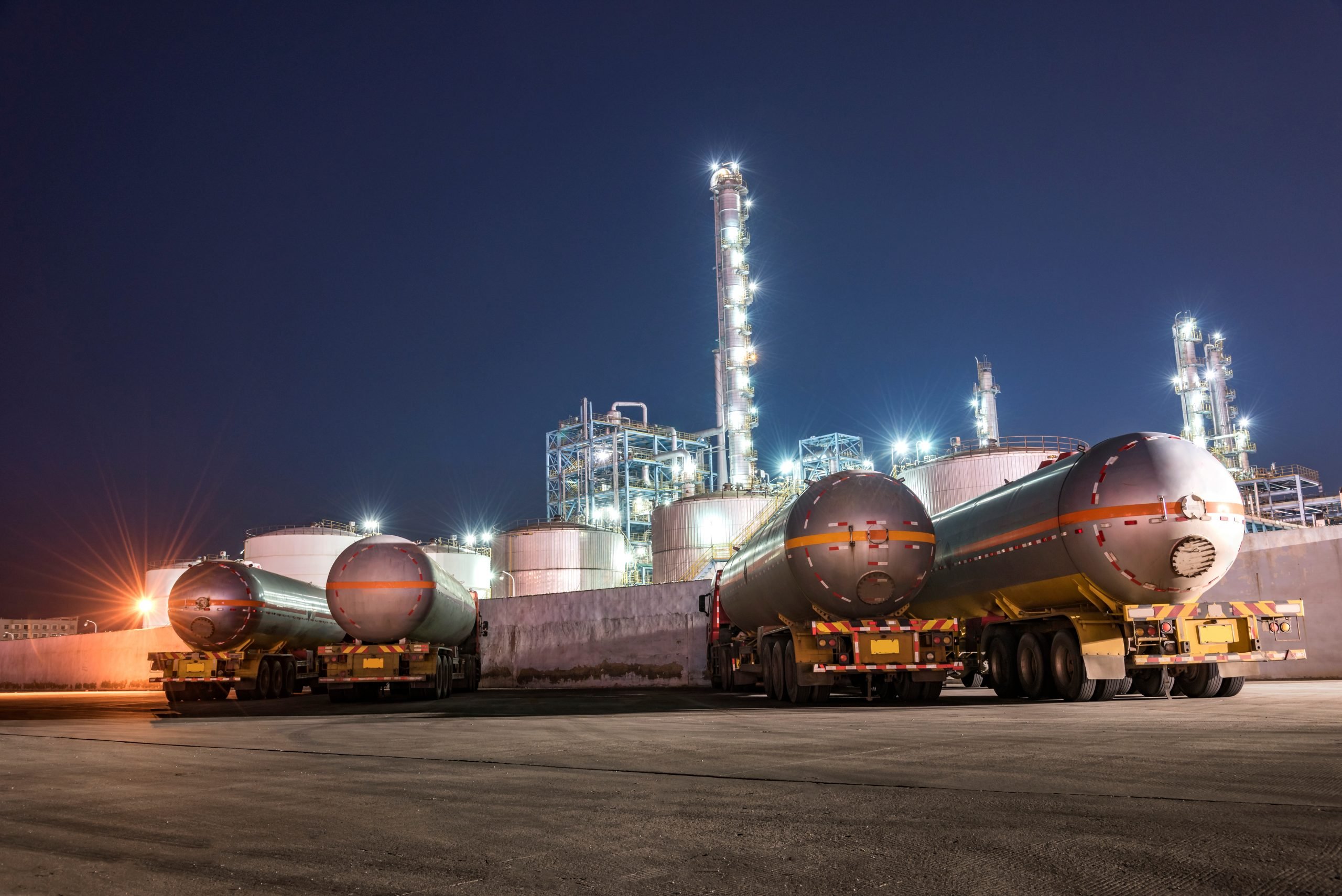
The return of the 7 million barrel-per-day pipeline provides a theoretical lifeline to supply chains, but restoring full capacity—roughly 4 million barrels per day—remains weeks away. Meanwhile, the freight market reflects a deepening crisis. Daily earnings for tankers on the Gulf-to-China route have hit $1.2 million, with some charter rates for Very Large Crude Carriers (VLCCs) climbing toward $100 million. Freight now constitutes at least 25% of the total cost of crude delivered to Asia, a sharp increase from 5-6% in 2025 that is rapidly eroding refiner margins.
Energy security remains fragile across several fronts. In Russia, a drone strike has idled the 230,000 barrel-per-day Moscow refinery, while in Libya, tribal disputes have slashed output at the El Sharara field by 65%. These supply disruptions coincide with seasonal pressures; Germany faces record-low gas inventories and a Rhine river chokepoint forecast to reach a 6 cm depth, effectively halting barge deliveries. As global demand outpaces infrastructure capacity, the industry is witnessing a shift in strategy: Asian refiners are increasingly abandoning VLCCs for smaller, more expensive Suezmax vessels, while trading firms like Trafigura are moving to integrate their own shipping fleets to bypass the volatility.
Comments (0)
No comments yet. Be the first!