
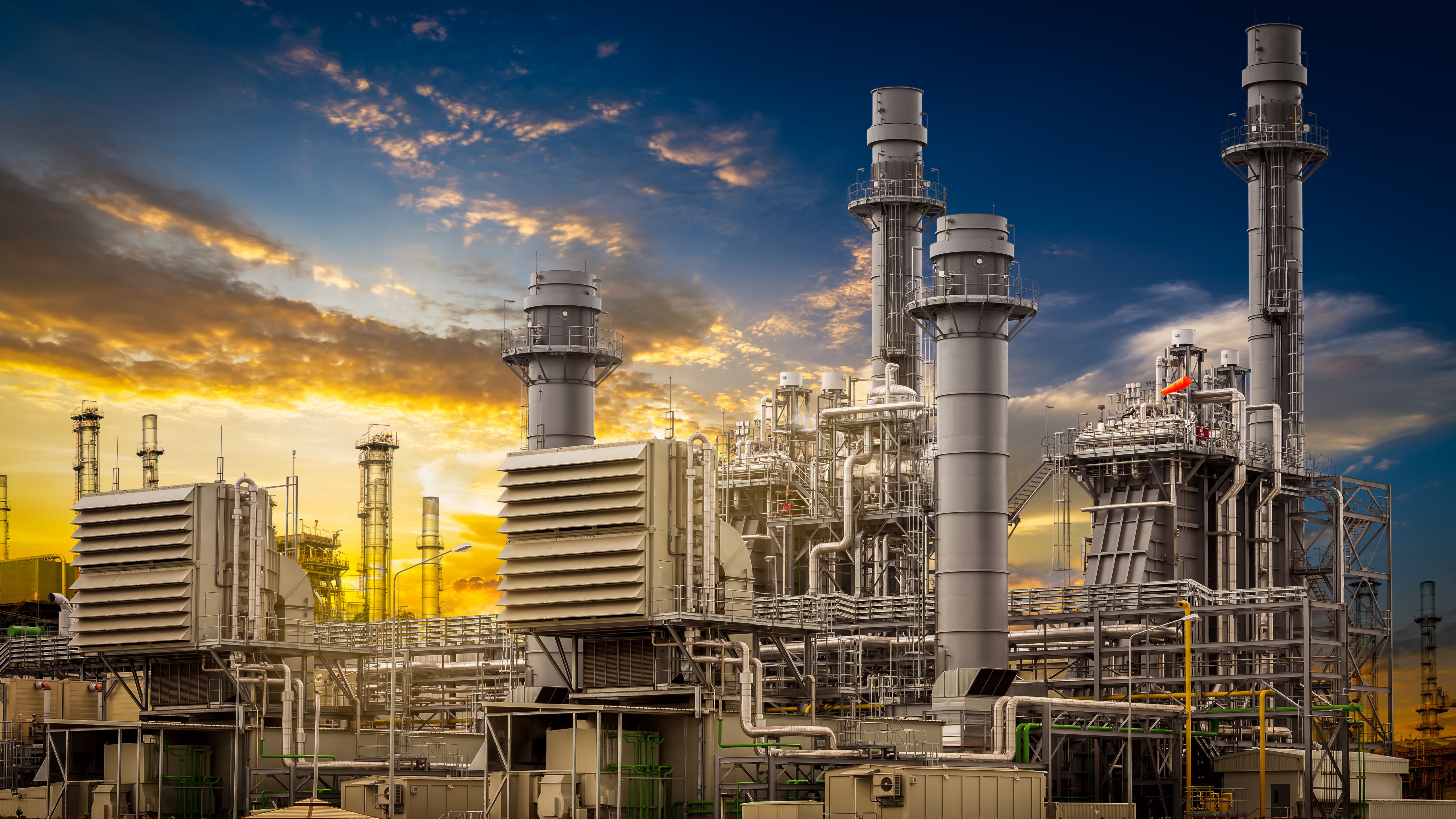
The GENCO model—a relic of post-deregulation energy markets—is being rebranded as a solution for AI infrastructure. By forming separate, affiliated generating companies, utilities hope to build dedicated power capacity without bloating their own rate bases. While this "ring-fencing" strategy aims to protect consumers from the volatility of AI projects, it often masks deeper financial entanglements. When an affiliated GENCO raises capital, it frequently leverages the parent utility’s credit rating, effectively forcing consumers to subsidize the debt of a project they do not own and may never benefit from. If the AI firm defaults or the project fails, the financial contagion risks reaching the holding company, ultimately destabilizing the utility’s capital structure.
Beyond finance, the physical integration of these massive loads creates systemic grid vulnerabilities. The sheer scale of AI energy requests can overwhelm existing infrastructure, leading to reliability concerns for standard customers. Furthermore, the reliance on new gas-fired facilities introduces significant environmental and political exposure. Should future regulations tighten emission standards, these assets could become stranded liabilities. Ultimately, the most equitable approach involves requiring AI firms to develop their own off-grid power generation. While this does not eliminate competition for shared resources like water and transmission capacity, it prevents the industry from offloading speculative risks onto captive, regulated consumers.
Comments (0)
No comments yet. Be the first!