
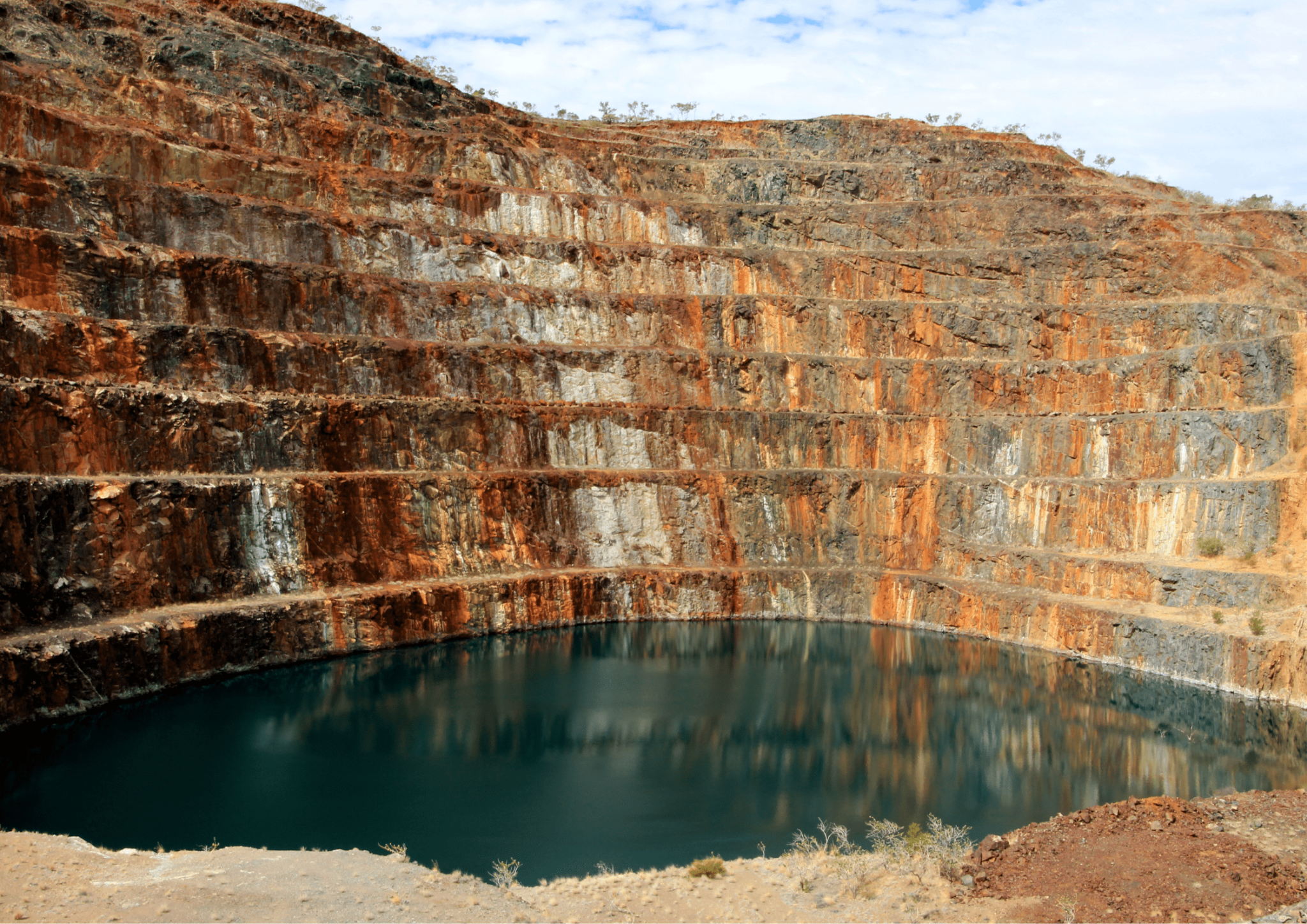
Domestic uranium production climbed 4.7% in the second quarter of 2026 to 1.09 million pounds, signaling a rapid expansion from previous lows. Despite this, the U.S. remains heavily reliant on foreign sources, which supplied 75% of domestic deliveries in 2025. With utilities requiring 360 million pounds through 2035 and holding three years of inventory, the immediate pressure to secure new long-term contracts for domestic supply is less acute than bullish investors had anticipated.
Market expectations hit a ceiling earlier this year, leading to a significant retreat in equity valuations. The Sprott Uranium Miners ETF, which surged until January, dropped 36% from its peak by early September. This correction reflects a gap between the ambitious growth priced into stocks and the slower reality of operational results. Because 87% of uranium deliveries are tied to long-term contracts—often signed at lower prices than current spot rates—producers see earnings gains only incrementally. For developers, the challenge remains securing the long-term agreements necessary to finance new capacity before utility stockpiles dwindle.
Comments (0)
No comments yet. Be the first!