
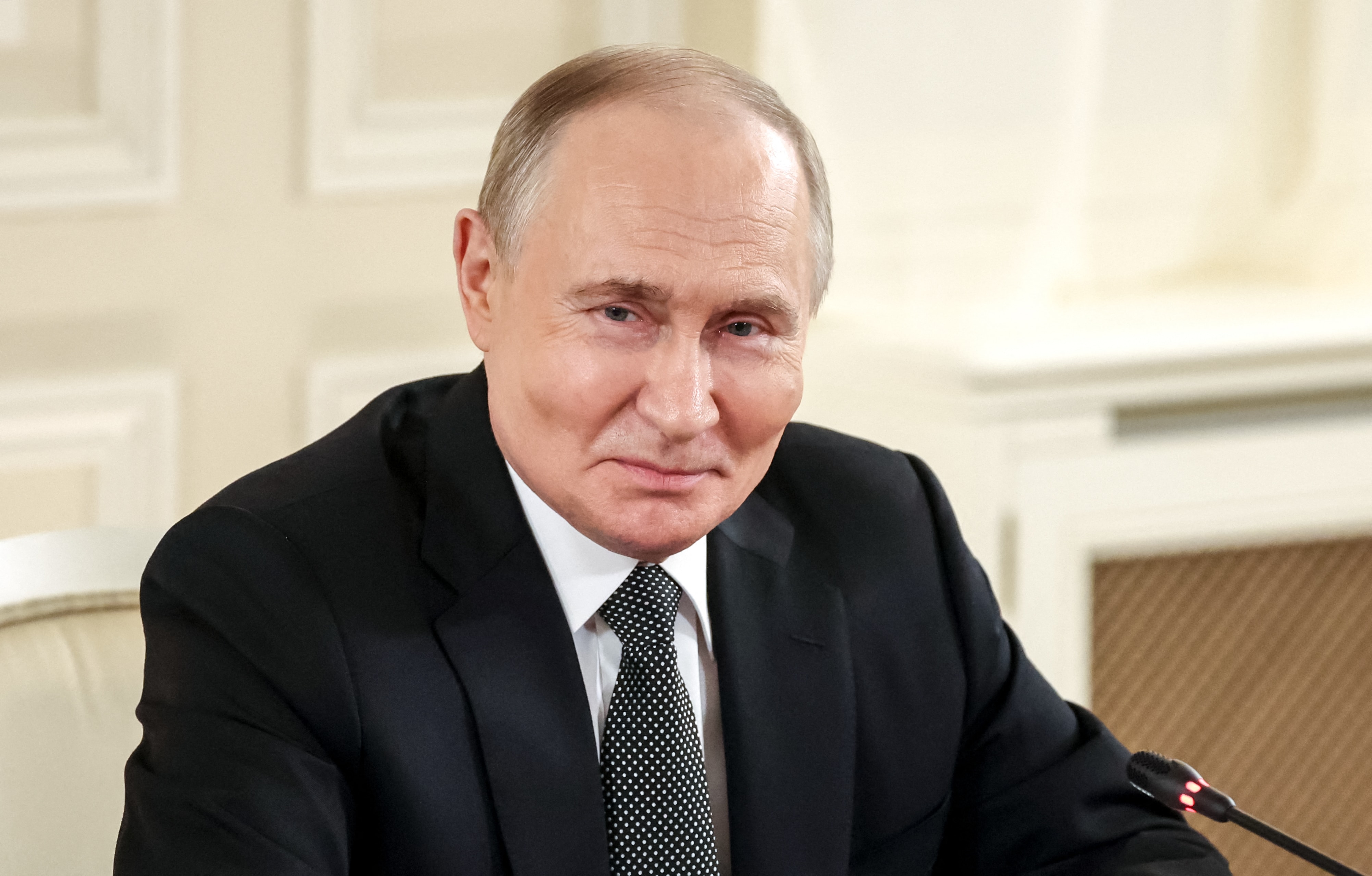
Behind the formal discussions on digital trade and cultural exchange, the real work is occurring in private. For Iranian President Masoud Pezeshkian, the summit serves as a critical venue to solicit support from Beijing and Moscow to mitigate the economic pressure caused by US sanctions. Vladimir Putin, grappling with the military strain of the war in Ukraine and persistent drone strikes on Russian energy infrastructure, faces the challenge of projecting strength to his peers while his own military-industrial complex shows signs of fatigue.
Geopolitical friction remains a persistent undercurrent. Despite the collaborative rhetoric, leaders of nations with deep-seated bilateral tensions are navigating a delicate diplomatic space. Indian Prime Minister Narendra Modi, notably absent from any planned bilateral talks with Xi Jinping, is prioritizing regional resource security instead. Following a stop in Uzbekistan to secure a long-term uranium export agreement, Modi continues a strategy of diversifying energy supplies, building on a $4 billion deal signed with Kazakhstan earlier this year.
The summit also underscores the widening rift between Russia and its former allies. Putin is scheduled to meet Armenian Prime Minister Nikol Pashinyan to address Yerevan’s increasingly public pivot toward the European Union. With Pakistan slated to host the 2027 summit, the block faces internal questions regarding future cohesion, as Indian officials remain non-committal about participating in a gathering hosted by Islamabad.
Comments (0)
No comments yet. Be the first!