
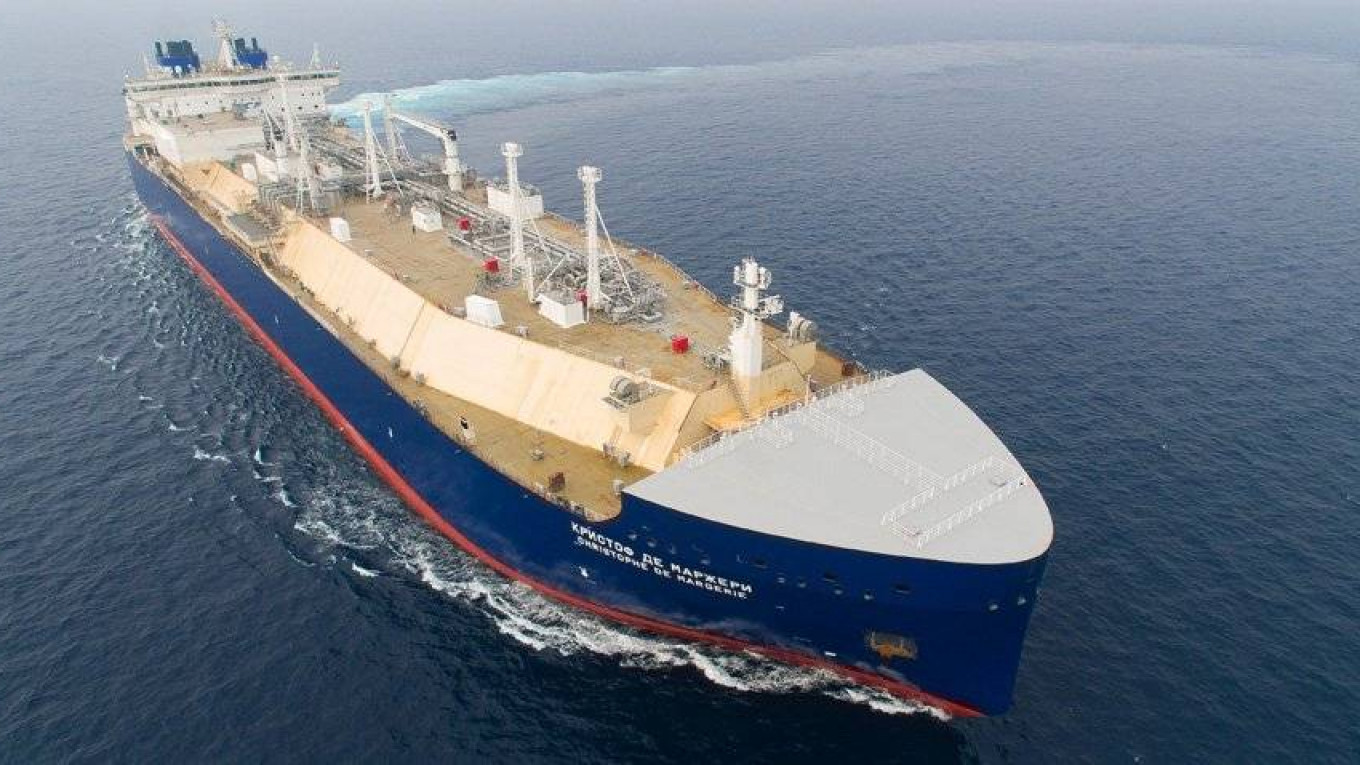
The expansion includes the addition of a second ice-class vessel, a critical asset for maintaining year-round navigation through frozen Arctic waters. This fleet growth serves as a strategic workaround for the restrictions imposed by the United States, the European Union, and the United Kingdom in 2024. As the European Union moves toward a total phase-out of Russian LNG imports, Moscow is securing its ability to bypass Western maritime frameworks before more comprehensive sanctions take effect on January 1, 2027.
While the fleet grows, the commercial reality remains strained. Currently, China stands as the primary buyer for these sanctioned cargoes, a dependency that grants Beijing significant leverage over pricing. Maritime intelligence firm Windward recently noted that Russia is actively acquiring elderly LNG carriers to build an alternative export base. This shift marks a transition away from traditional Western-aligned shipping routes, forcing Russia into an increasingly narrow pool of customers to keep its Arctic energy production viable.
Comments (0)
No comments yet. Be the first!