
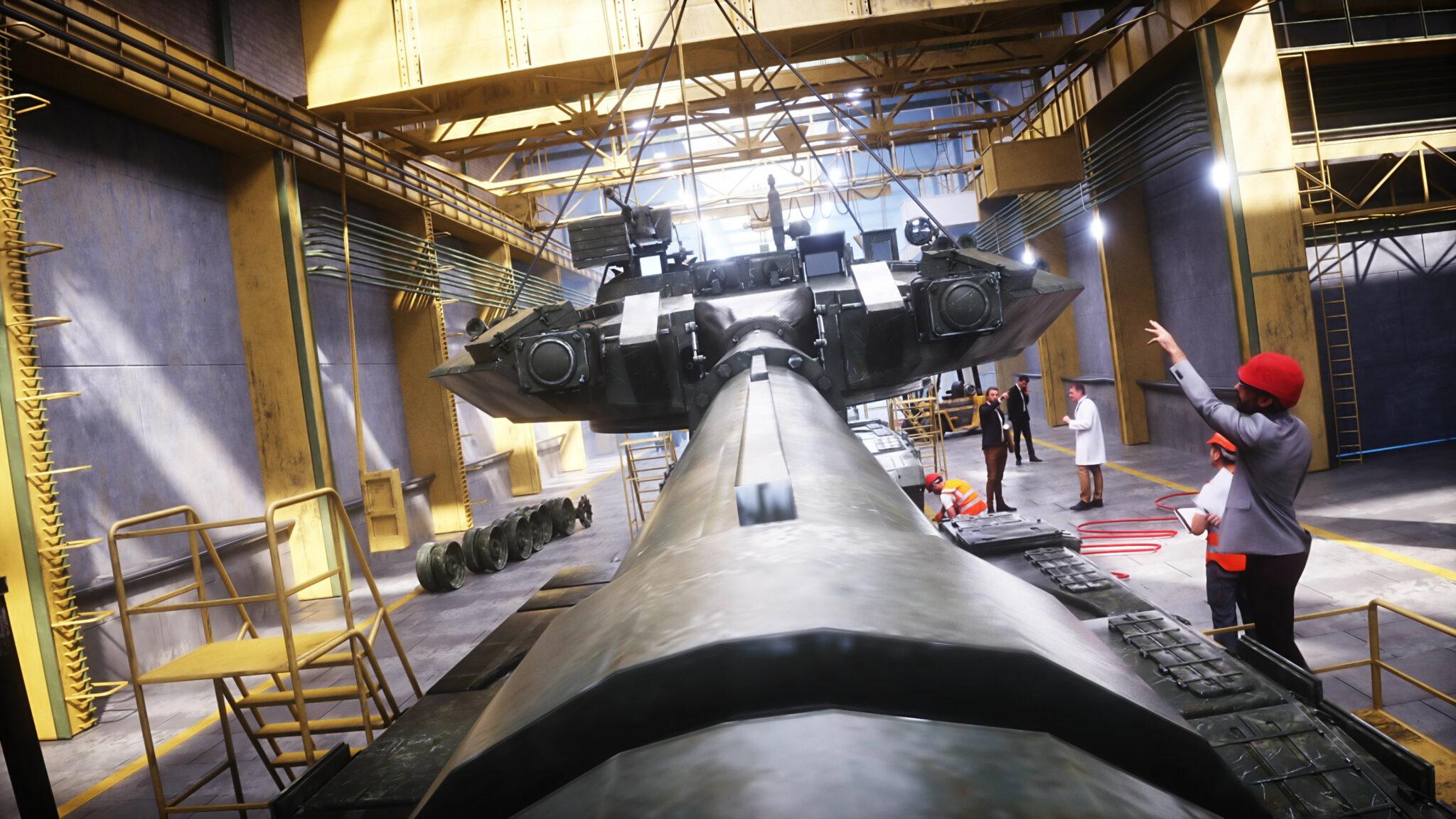
The Kremlin’s strategy hinges on utilizing existing infrastructure, such as Kazakhstan’s Semey Engineering and Almaty Aircraft Repair plants, alongside the Chirchik facility in Uzbekistan. Defense analyst Derek Bisaccio notes that while Ukraine is unlikely to strike targets in Central Asia to avoid major escalation, the political cost for Astana and Tashkent is steep. Both nations face the threat of expansive Western sanctions, and their leadership has been notably non-committal regarding Moscow's overtures.
Financial viability remains the project’s most glaring obstacle. Russia's war-depleted budget has already stalled major regional investments, including Rosatom’s nuclear power initiatives and various power plant contracts in Kazakhstan. Despite these fiscal constraints, Moscow continues to project stability, recently announcing a $660 million infrastructure pledge through the Russia-Kyrgyzstan Development Fund. Questions persist regarding the source of this capital, especially given the fund’s reported 2025 capitalization of only $574 million, leaving the feasibility of these military and economic maneuvers in doubt.
Comments (0)
No comments yet. Be the first!