
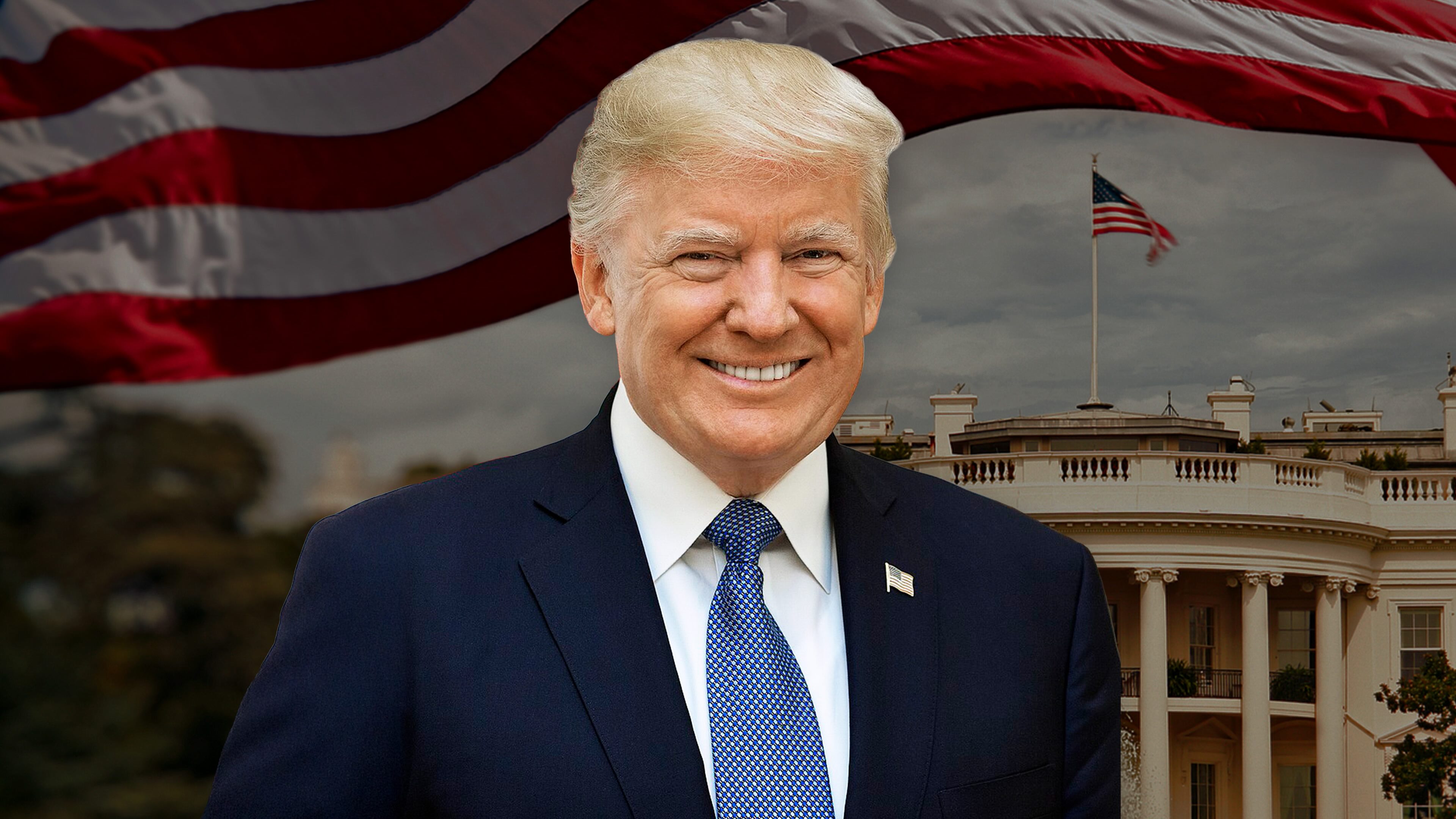
President Donald Trump has ruled out extending the June memorandum of understanding with Tehran, further escalating the geopolitical standoff. Markets are now pricing in a long-term energy squeeze that threatens to exacerbate inflation as winter approaches. The potential for fiscal offsets to fund this conflict has triggered a global sell-off in long-dated government bonds, with the 30-year U.S. yield reaching its highest level in 19 years on Tuesday.
These moves persist despite a recent softening in Federal Reserve rate hike expectations, suggesting that investors are increasingly concerned about the central bank's ability to anchor inflation. The pressure is compounded by heavy corporate borrowing tied to the AI sector. Consequently, Asian equity markets closed lower, and Wall Street futures pointed to a negative opening. Investor attention now shifts to U.S. retail giants, with Home Depot earnings providing the first major test of consumer resilience this week.
Public sentiment reflects this growing unease. A Reuters/Ipsos poll concluded Monday shows President Trump’s approval rating sliding to 33%, with 80% of Americans expecting the conflict in Iran to persist for an extended period. With congressional mid-terms looming in November, the economic narrative remains fragile as voters weigh the competing approaches of Democrats and Republicans.
Comments (0)
No comments yet. Be the first!