
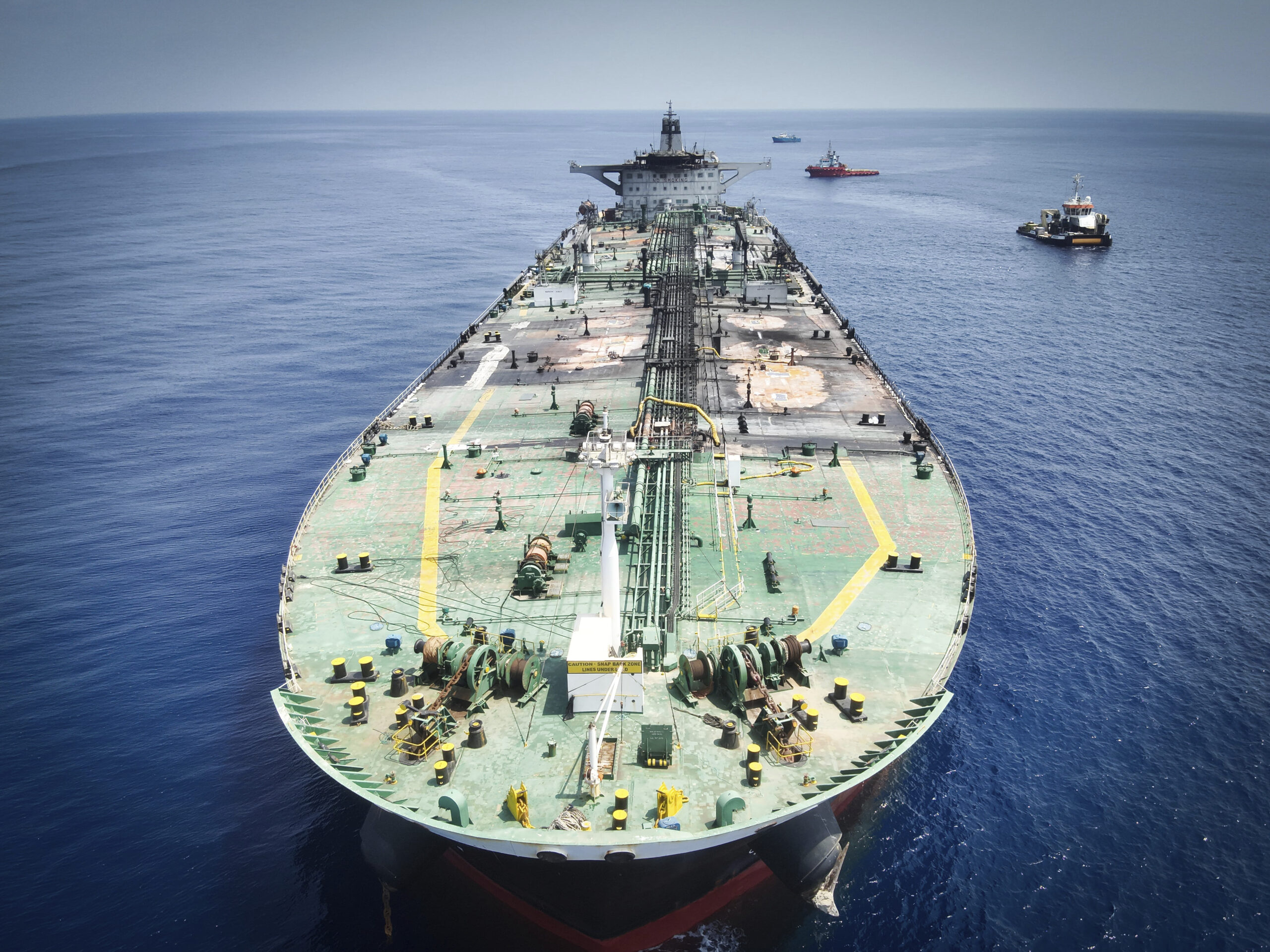
The Kingdom’s East-West Pipeline, boasting a seven-million-barrel-per-day capacity, was designed to bypass the Strait of Hormuz by funneling crude to the Red Sea. While this move successfully mitigated Iranian threats, it tethered Saudi exports to the Bab el-Mandeb corridor. With that passage now under threat, the alternative—routing tankers north through the Suez Canal—is far from a seamless solution.
Physical constraints define this new reality. Suez Canal depth restrictions prevent fully loaded VLCCs from transiting, forcing reliance on the SUMED pipeline to bridge the gap between Ain Sokhna and Sidi Kerir. However, SUMED’s throughput is capped at roughly 2.5 million barrels per day, leaving a massive deficit should the Kingdom attempt to redirect its primary export volumes through this channel. Beyond pipeline limits, the sheer congestion of the canal—already burdened by global maritime traffic—would result in severe bottlenecks, demurrage, and unpredictable delivery delays.
These logistical hurdles carry immediate consequences for the global energy market. Asian buyers, who consume the bulk of Saudi crude, face a logistical nightmare: if forced to bypass the Red Sea via the Cape of Good Hope, transit times could double from three to seven weeks. This does more than inflate freight costs; it effectively removes vessels from the active fleet, tightening global tanker availability. As the focus of energy security shifts from production capacity to the ability to move barrels, the vulnerabilities of these maritime corridors suggest that the next supply crisis will be defined not by a lack of oil, but by the inability to deliver it on schedule.
Comments (0)
No comments yet. Be the first!