
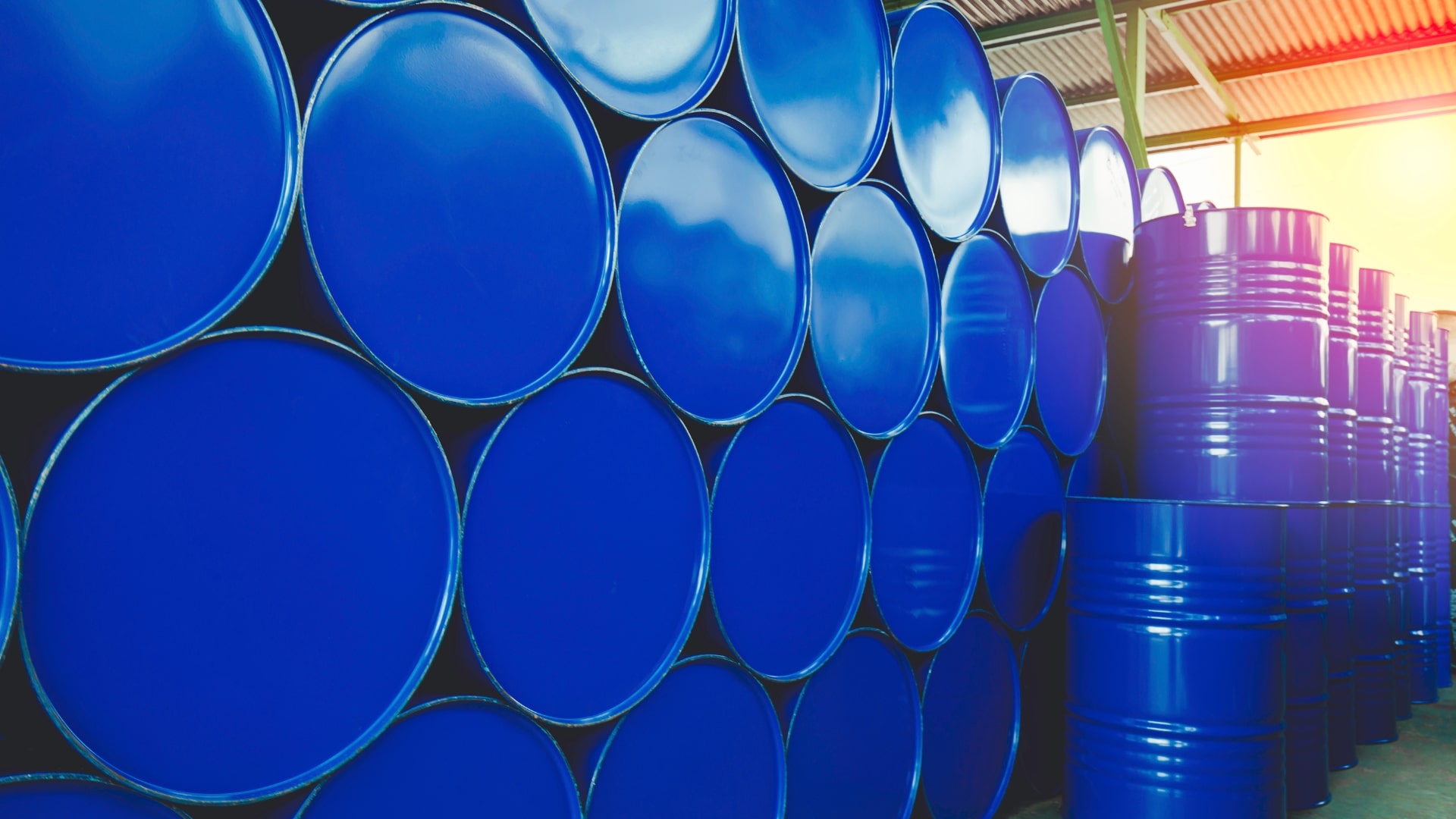
India, which currently imports over 80% of its oil, faces a fragile reality where a single blockade at the Strait of Hormuz could cripple its economy. To counter this, the state-owned Oil and Natural Gas Corp (ONGC) plans to construct a 1.75 million metric ton reserve in Mangalore. This project is a pillar of a broader Phase II expansion that includes massive underground caverns at Chandikhol and Padur, set to add 47.6 million barrels of storage. These additions are critical, as India’s existing stockpiles currently cover less than 10 days of net demand, falling well short of the 90-day standard recommended by the International Energy Agency.
South Africa is pursuing a similar path, driven by the collapse of its domestic refining capacity. After aging infrastructure and major accidents forced the closure of roughly half its refineries, the country is now almost entirely dependent on fuel imports. A recent draft policy from the Department of Mineral Resources and Energy outlines a mandate for the state-owned South African National Petroleum Company to build reserves covering up to 90 days of demand. The plan relies on a dual-layer strategy: the state will hold 36 million barrels, while private fuel distributors will be required to maintain their own inventories to absorb short-term shocks, shielding the national economy from the estimated 1 billion rand daily loss that a complete supply interruption would trigger.
Comments (0)
No comments yet. Be the first!