
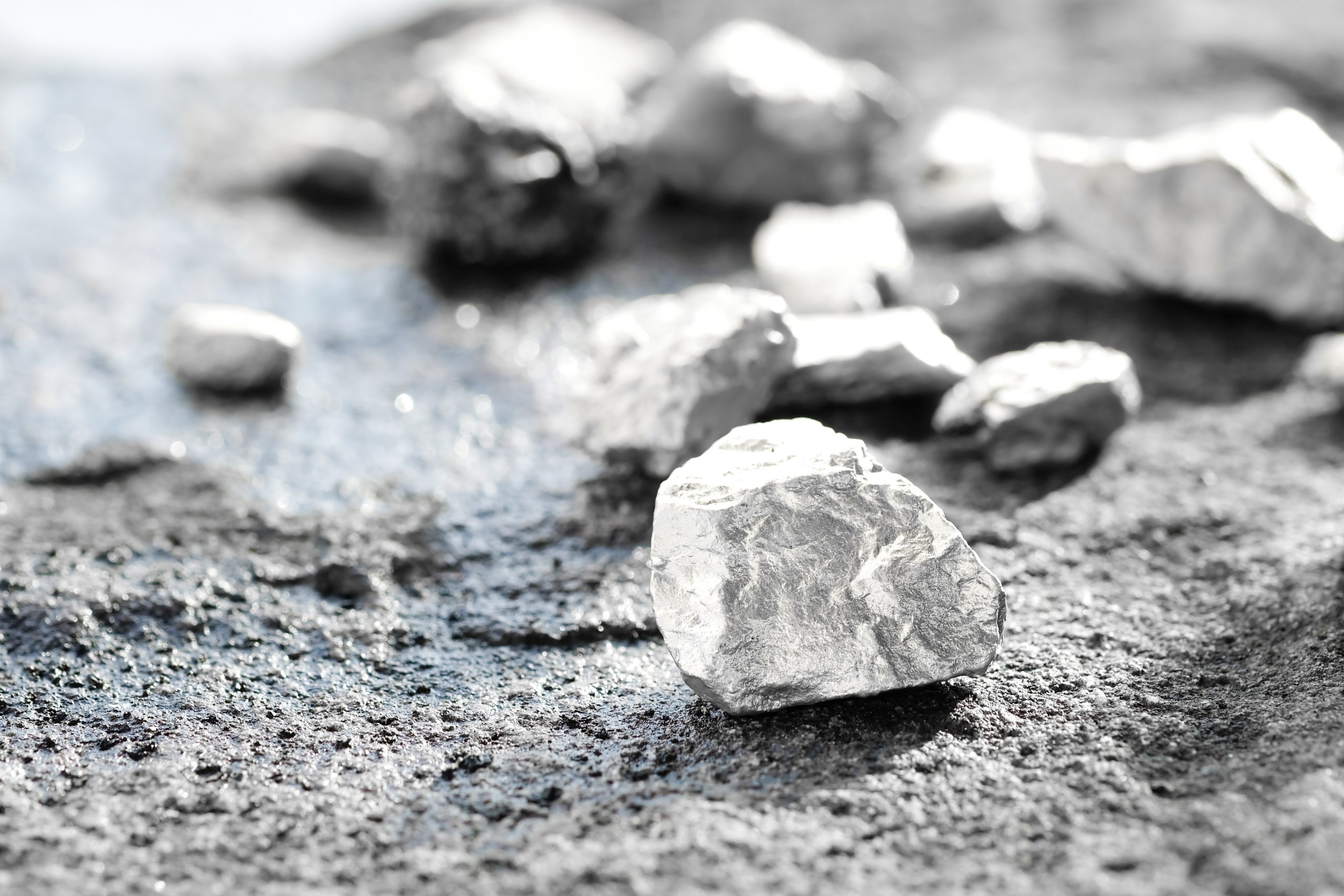
Beijing’s 15th Five-Year Plan serves as the primary engine for this transformation. With nearly $300 billion earmarked for AI development through 2030, the nation is creating a new dependency on platinum group metals. These materials are essential for semiconductor manufacturing, industrial crystal production, and high-performance optical interconnects. Beyond the digital sphere, the metal is vital to the country’s burgeoning hydrogen economy, where it facilitates fuel-cell electric vehicles and clean energy storage.
WPIC Chief Executive Officer Trevor Raymond noted that the market has yet to fully account for this AI-driven demand. This growth arrives at a precarious time for global supply chains. The council forecasts a fourth consecutive annual deficit in 2026, with above-ground inventories projected to drop to less than three months of global demand. Because platinum mining relies on deep, complex operations with long development timelines, supply cannot easily flex to meet sudden consumption spikes.
Investment interest is also migrating from industrial halls to retail storefronts. Since 2023, China has emerged as the world’s largest market for newly minted platinum bars and coins. Physical investment demand surged from under one tonne in 2019 to nearly 13 tonnes in 2025. To capitalize on this, the WPIC is partnering with the Beijing Caishikou Department Store to standardize platinum bullion alongside gold and silver. While current prices hover near $1,600 an ounce amid broader economic pressures, the long-term fundamental outlook remains anchored in China’s aggressive industrial pivot.
Comments (0)
No comments yet. Be the first!