
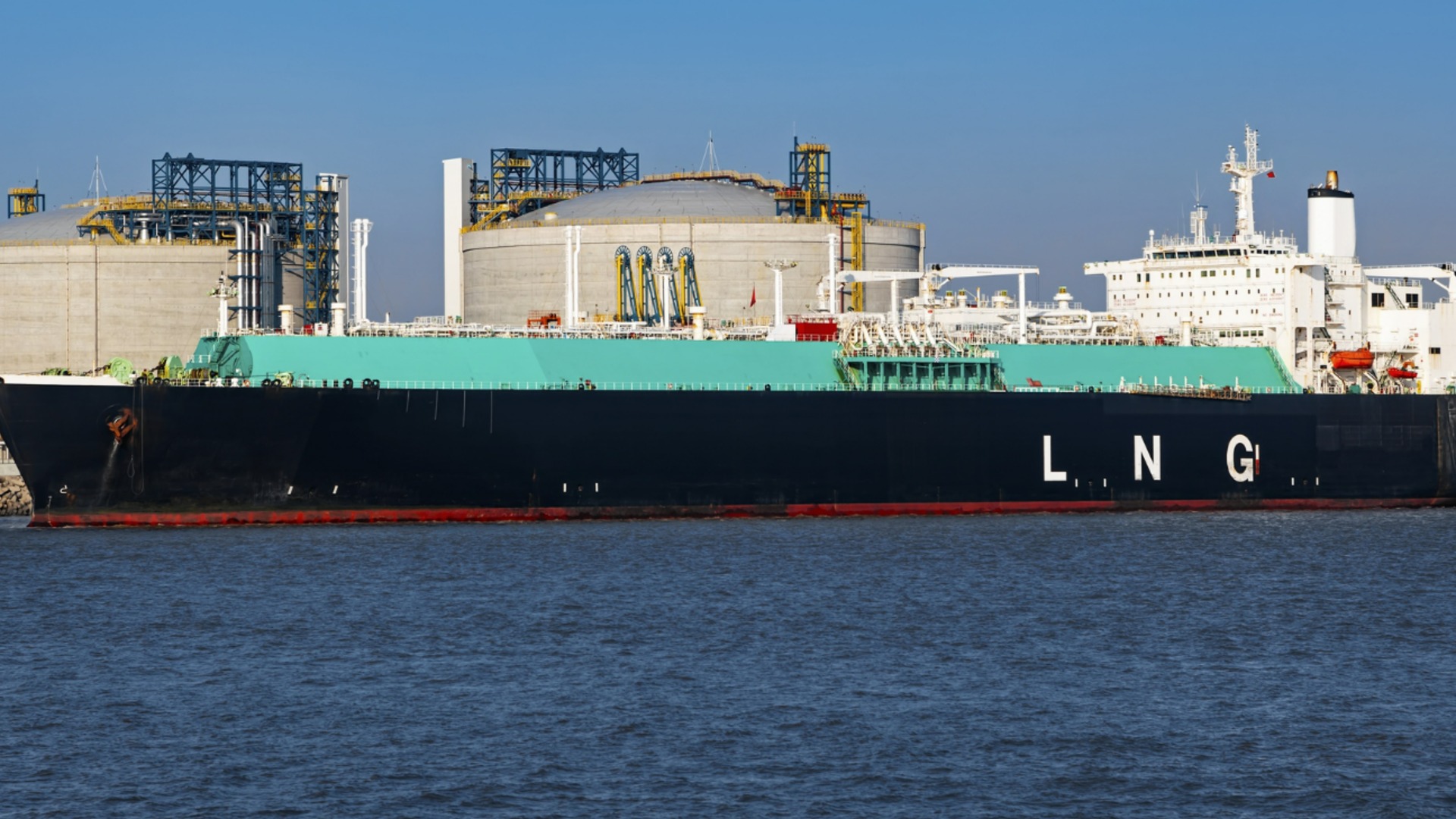
The spike in procurement comes as the European Union navigates the final window before a blanket import ban takes effect on January 1, 2027. Kpler data indicates that total Russian LNG imports rose 11% year-on-year, while pipeline gas deliveries climbed 7%. This reliance is driven by supply chain instability in the Middle East, where blockades in the Strait of Hormuz and infrastructure damage in Qatar have tightened global markets, forcing European buyers to prioritize the availability of Arctic gas.
Regulatory loopholes remain a critical factor in this intake. Although the REPowerEU Gas Regulation introduced restrictions on short-term contracts in April 2026, various exemptions allow member states to continue purchasing until the total phase-out deadline. France, Belgium, and Spain currently lead the bloc in LNG intake, while Hungary remains the primary destination for pipeline gas via the TurkStream route. Beyond gas, regional energy security remains fragile; the southern branch of the Druzhba pipeline, which supplies Hungary and Slovakia, recently faced a three-month operational hiatus following a strike in Ukraine, prompting those nations to initiate a joint 127 km infrastructure project to secure refined product supplies.
Comments (0)
No comments yet. Be the first!