
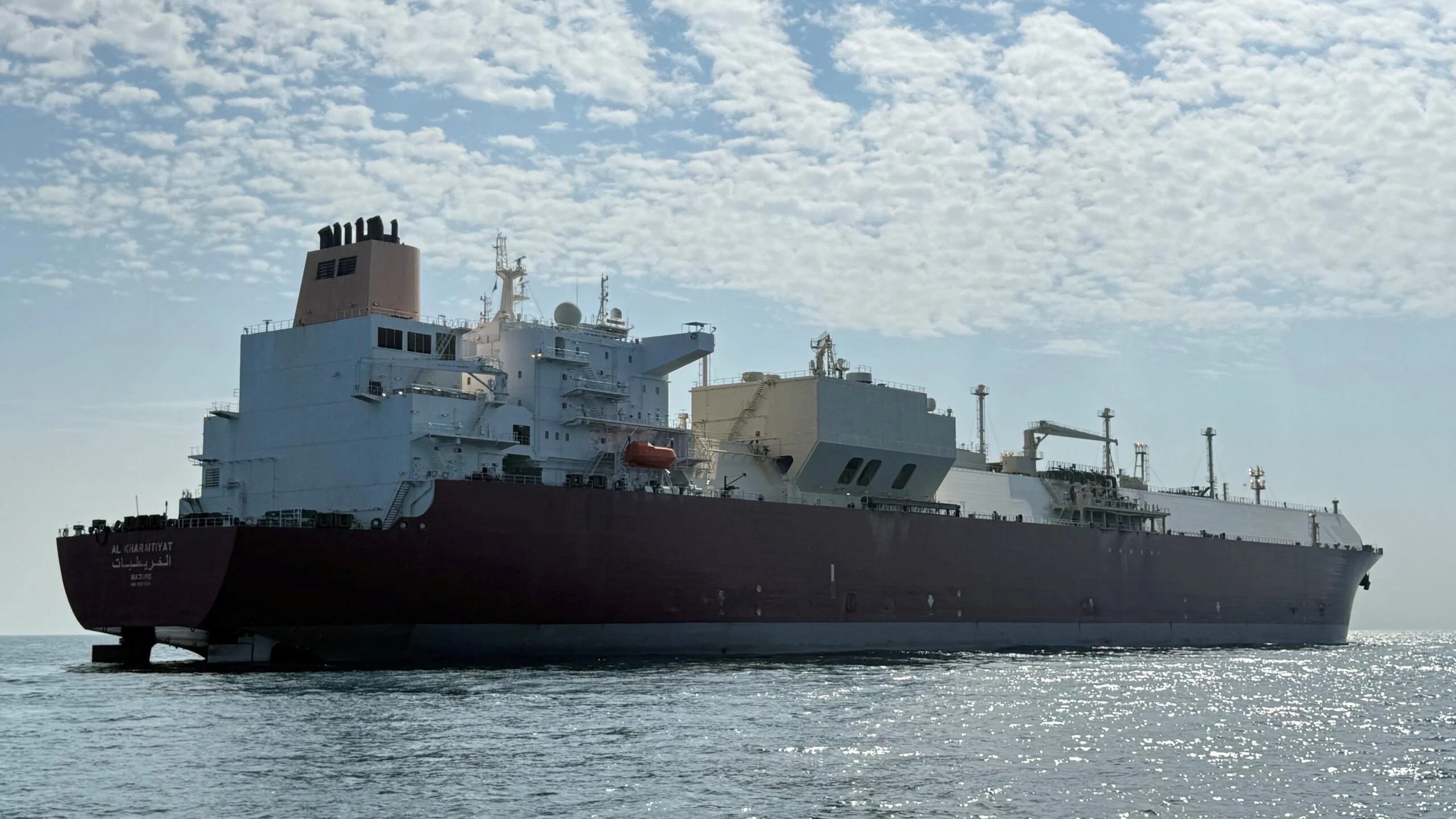
Qatar, the world’s second-largest LNG exporter before the Iran war, has struggled to send carriers through the strait. LNG flows have recovered only slightly, particularly compared with crude shipments from the Persian Gulf. Few Qatari cargoes have transited Hormuz since March, and state-owned QatarEnergy has extended force majeure on deliveries each month since April. Its latest extension runs at least through the end of December 2026.
The supply squeeze has made spot LNG more expensive and gas-fired generation less economical than coal. South Korean coal-fired power supply rose 40% in April, its largest increase since August 2019, according to market data cited by Reuters. Gas-fired generation in South Korea and Japan also fell sharply earlier this year as the Middle East crisis began.
South Korea, the world’s third-largest LNG buyer after China and Japan, is among Asian importers affected by the loss of Qatari supply. Climate, Energy and Environment Minister Kim Sungwhan told Bloomberg last month: “In the short term, we are in a situation where we must somehow reduce LNG demand.” The country has nevertheless pledged to move away from fossil fuels.
On Monday in Seoul, Trade, Industry and Resources Minister Kim Jung-kwan met Qatar’s Minister of State for Energy Affairs, Saad Sherida al-Kaabi, and requested priority access to Qatari gas when production and navigation through Hormuz normalize.
Comments (0)
No comments yet. Be the first!