
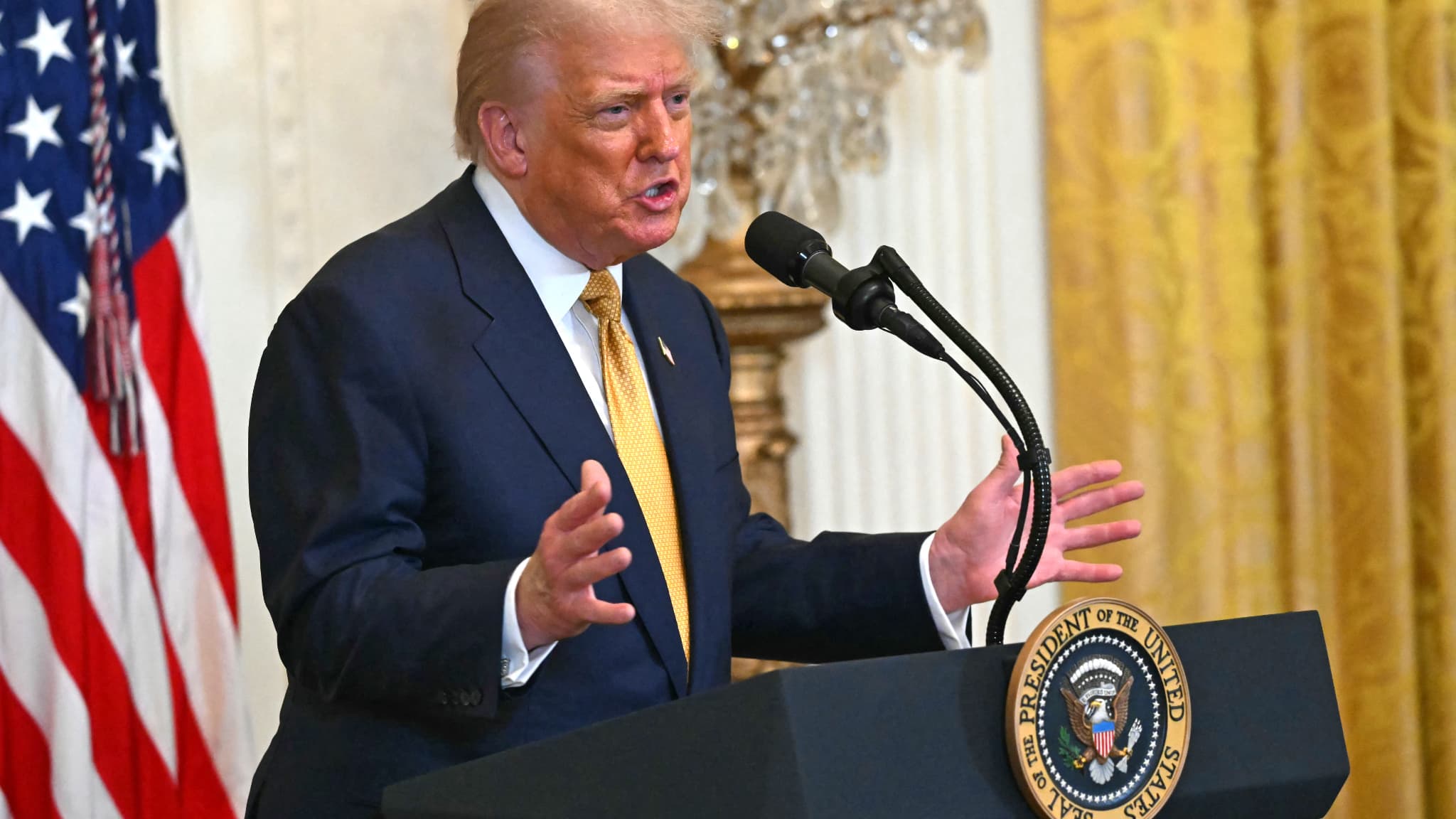
The shipment arrives in the wake of an October deal between President Donald Trump and Vladimir Putin, authorized by OFAC General License 135. While the administration claims the move is a necessary response to global energy price spikes, the legal foundation remains shaky. Congress explicitly codified the Russian oil import ban in 2022, and legal experts note that while a president may hold broad emergency powers, overriding a statute requires conditions—such as a peace deal—that have not been met.
The primary danger for any entity involved in accepting the fuel is the five-year statute of limitations on customs penalties. Even if the current administration shields importers from criminal charges via pardon, civil liability and the potential forfeiture of vessels remain on the table long after the election. Consequently, senators have already begun demanding document preservation from banks and port authorities, signaling that the political fallout will persist regardless of the immediate market impact. With the promised volumes representing only a fraction of U.S. demand, the risk-to-reward ratio for potential buyers remains volatile.
Comments (0)
No comments yet. Be the first!