
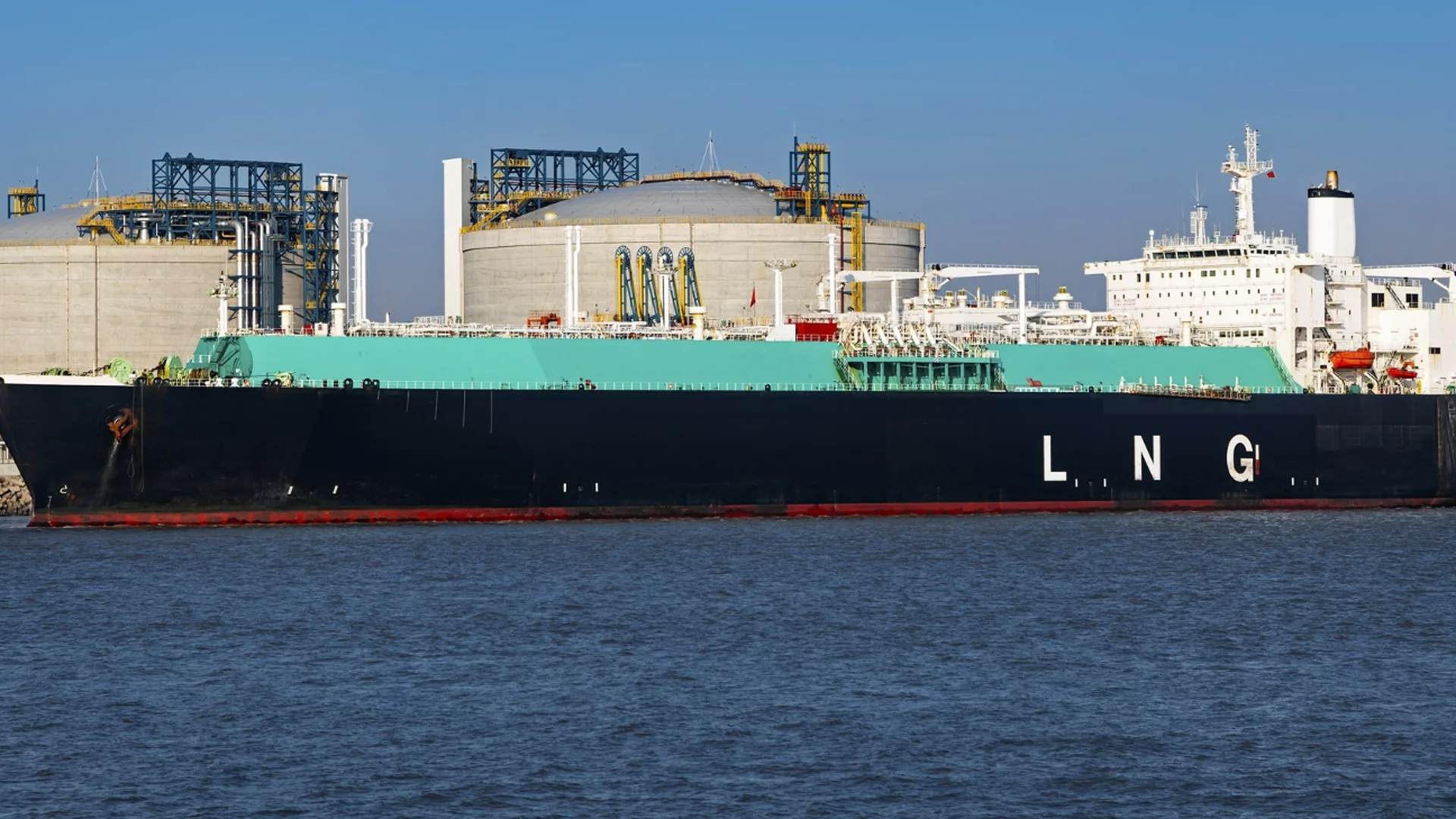
The supply landscape shifted dramatically following the US-Iran conflict in early 2026, which effectively sidelined Qatar—formerly the supplier of 45% of India’s LNG. While US shipments filled the void through September and Gulf flows have since partially recovered, the cost of securing these volumes has reached $32-33/MMBtu at the West Coast India marker, up from $11/MMBtu a year ago.
Domestic gas output has failed to keep pace with demand, falling 4% year-over-year as of September. Consequently, the share of domestic gas in India’s total consumption dropped from 57% in 2022 to 47% in the first half of this year. The government is attempting to buffer this transition by prioritizing politically sensitive sectors. Fertilizer production, which consumes 29% of the nation's gas, remains insulated from price spikes through state subsidies, ensuring urea output remains steady ahead of upcoming elections in Uttar Pradesh and Punjab.
City gas distribution (CGD) serves as the other major pillar of demand, with consumption jumping 20% compared to last year. This growth is driven by wider network coverage and a forced migration from LPG—disrupted by the closure of the Strait of Hormuz—to piped natural gas. New Delhi has further encouraged this shift by setting a $4/MMBtu price floor and a $6.5/MMBtu ceiling for domestic gas allocated to distributors. While this policy protects residential consumers, it leaves industrial users fully exposed to volatile global import prices. With coal stocks at nearly half of India’s power plants running critically low due to monsoon-related logistics issues, the country may soon face the difficult choice of burning even more expensive gas for electricity or risking widespread supply shortages.
Comments (0)
No comments yet. Be the first!