
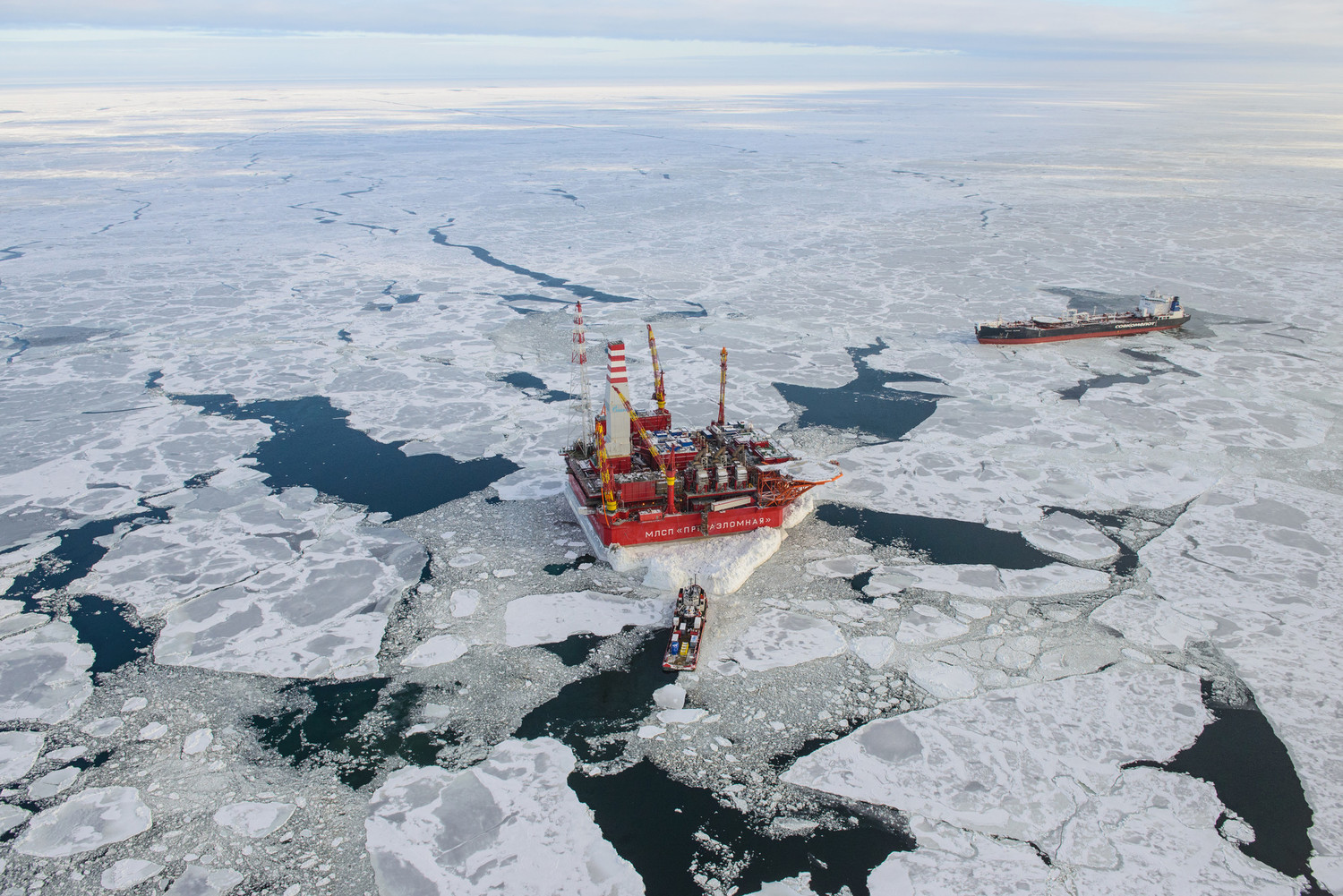
The strategy, the first update in five years, shifts the bloc's focus toward maritime security and the protection of subsea infrastructure. While the EU lacks significant Arctic territory, its rigid stance creates a direct policy collision with Norway. Norwegian Energy Minister Terje Aasland has openly challenged the EU's position, asserting that Barents Sea production is vital to both national and European energy interests. The EU now faces the logistical burden of verifying the origins of its Norwegian imports to ensure compliance with its own self-imposed ban.
Despite the friction, the latest document omits the specific term "moratorium" on drilling, a move Norway welcomed as a practical concession. This diplomatic softening does little to resolve the fundamental tension: the EU aims to counter Russian influence in the High North—where Moscow has spent two decades building extensive energy and transport infrastructure—while simultaneously shunning the very resources that could bolster its own security. Critics suggest the strategy is an aspirational rearmament exercise, one that struggles to reconcile the realities of traditional energy dependence with the bloc's climate-driven objectives.
Comments (0)
No comments yet. Be the first!