
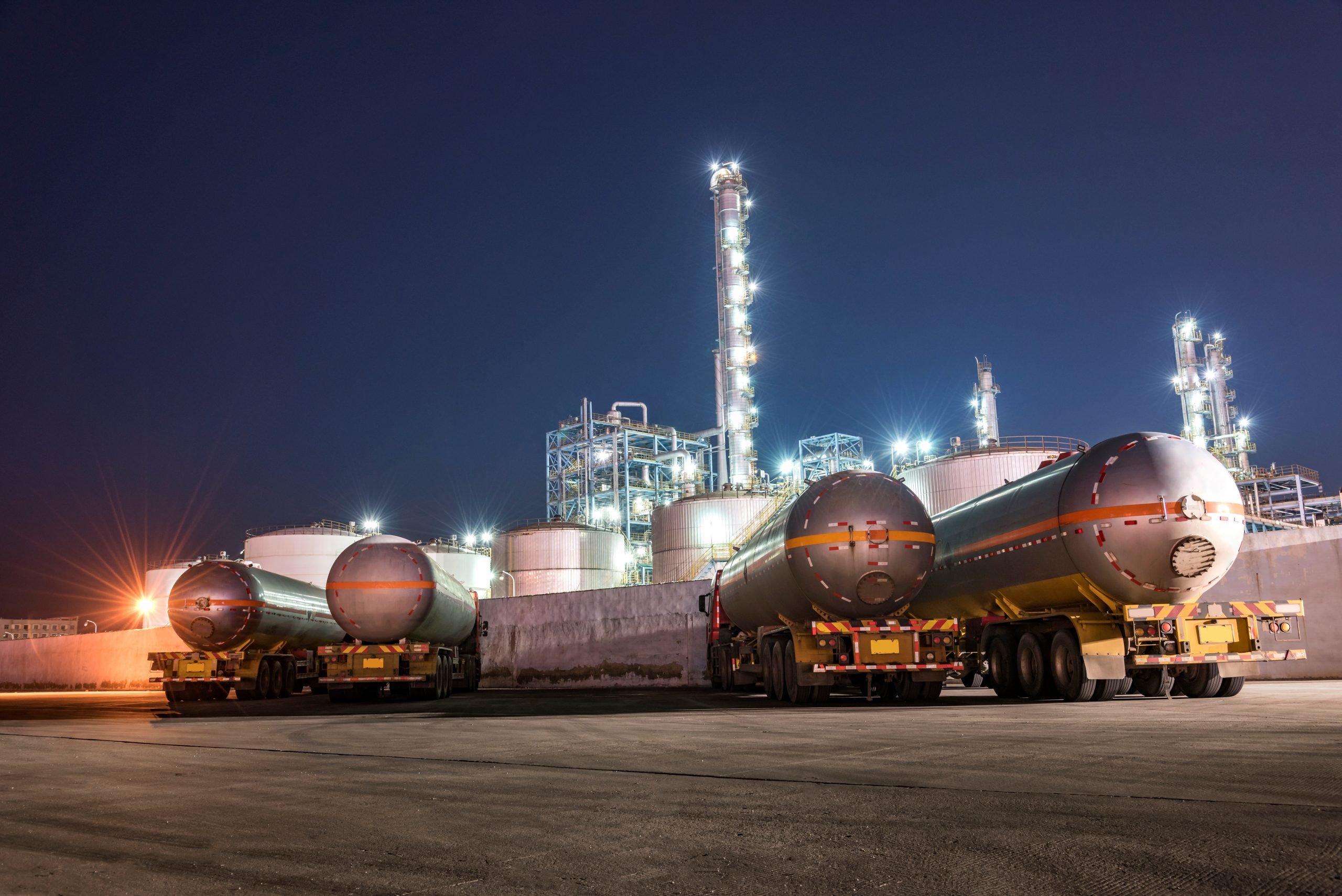
Chairman Adam Waterous intends to present the proposal to Prime Minister Mark Carney’s government next week. By utilizing rail shipments to reach a marine terminal in British Columbia, the company believes it could initiate exports within two years. This timeline significantly outpaces the development of proposed cross-province pipelines, which remain years away from operation. The project aims to diversify Canada’s energy trade, which currently relies on the United States for roughly 90% of its crude exports.
Success hinges on navigating the Oil Tanker Moratorium Act, which forbids large crude vessels from operating along the northern coast. While the port at Prince Rupert already handles propane via rail, expanding into crude requires a major policy reversal. Beyond federal hurdles, the plan faces stiff resistance from British Columbia Premier David Eby, environmental organizations, and coastal Indigenous groups. Waterous maintains that building partnerships with local Indigenous communities is the key to overcoming these political barriers. If authorized, the terminal would boost Canada's crude export capacity from the Pacific coast by nearly 50%.
Comments (0)
No comments yet. Be the first!