
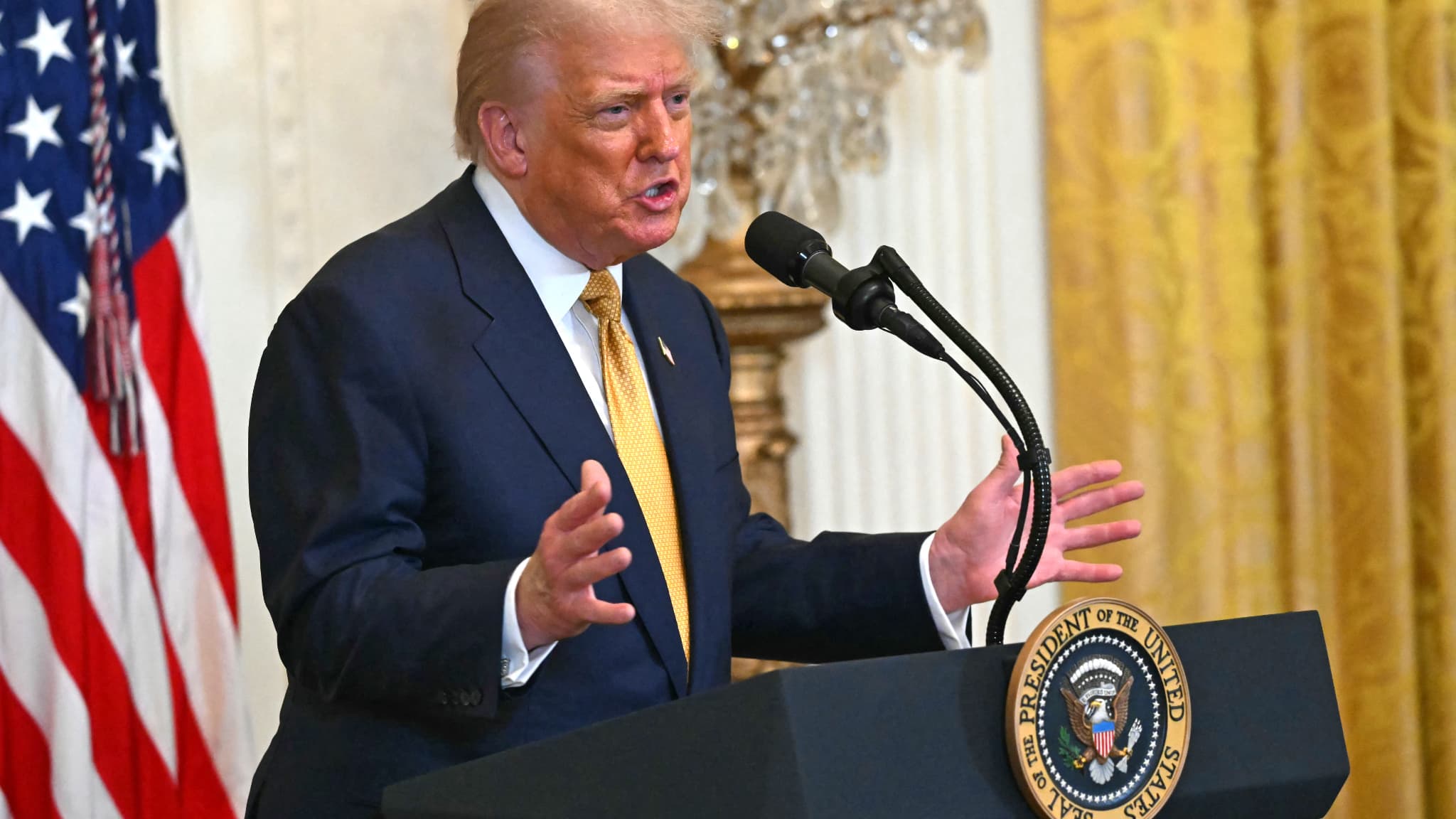
The agreement mandates an initial release of 1.8 million tonnes of diesel from Russia, with a conditional follow-up that could push the total to 4.8 million tonnes. Despite the scale, the figures are marginal: the first phase covers barely three days of U.S. demand, and the full amount provides less than ten days of supply. Analysts suggest the deal offers little relief for U.S. retail prices, which remain stubbornly above the psychological threshold of $6 per gallon, yet it provides a potential $7 billion windfall for the Kremlin.
For Ukraine, the deal acts as a lifeline for Vladimir Putin. President Volodymyr Zelensky has condemned the move as a direct investment in the war, noting that Russia, already struggling with a 45 percent loss in refining capacity due to drone strikes, will likely force domestic shortages to meet export obligations. Tensions have escalated further as the U.S. administration reportedly pressured Kyiv to halt energy infrastructure strikes, even threatening to restrict intelligence sharing. The political fallout is deepening, with Trump publicly questioning Zelensky’s leadership while signaling that the priority remains shielding American consumers from inflationary shocks, regardless of the impact on the conflict in Eastern Europe.
Comments (0)
No comments yet. Be the first!