
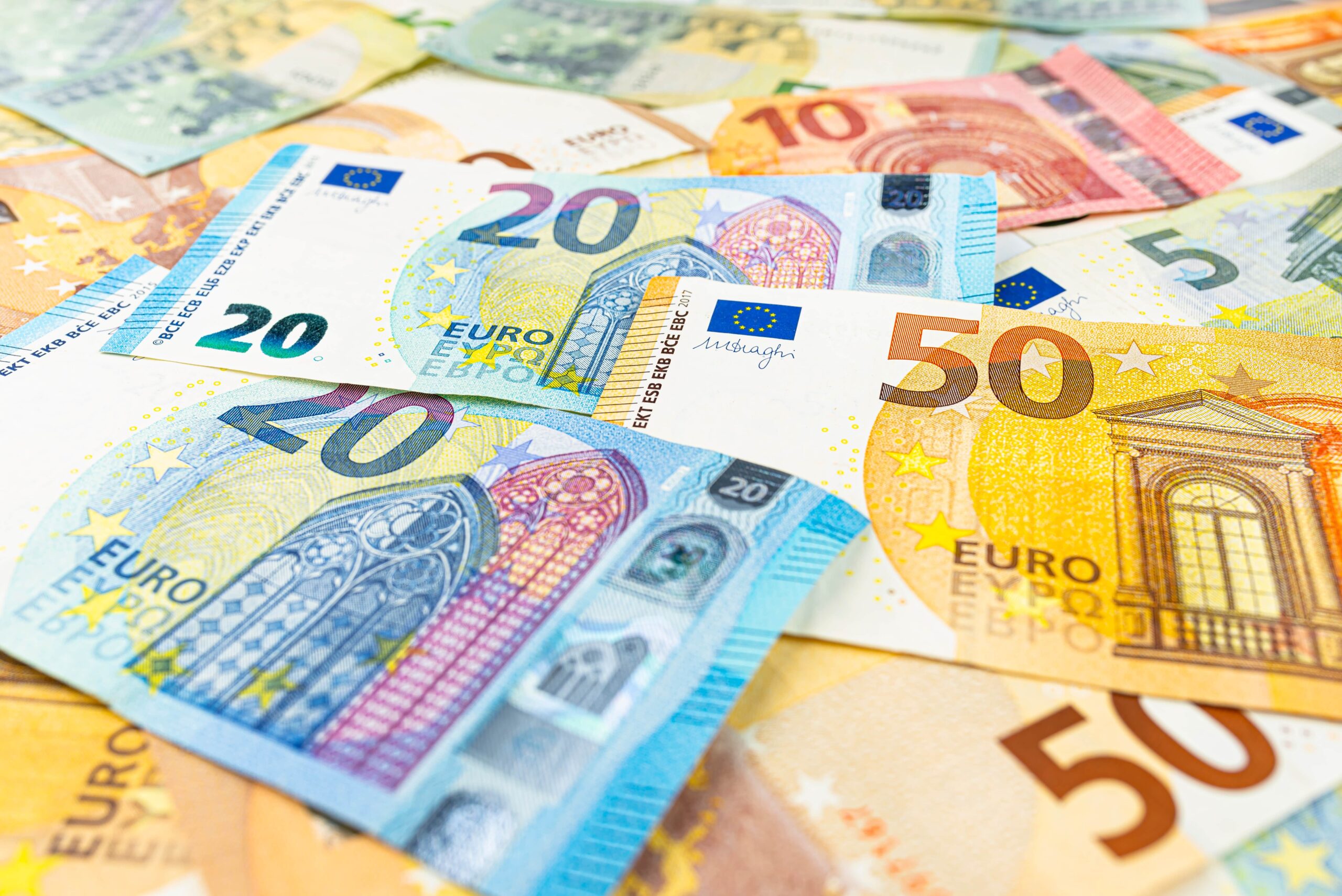
The Irish Presidency attempted to bridge the divide on October 10 by slashing the budget proposal to €1.6 trillion, but consensus remains elusive. While the European Commission designed the original plan to bolster defense, address climate disasters, and stimulate a sluggish economy, net contributors like Germany and the Netherlands argue the current burden is unsustainable. Chancellor Friedrich Merz has explicitly labeled the revised figures inadequate, warning that the budget must remain affordable for those financing it.
Simultaneously, the Friends of Cohesion group—spearheaded by Italy and Romania—is pushing to protect agricultural and regional development funds. These beneficiaries fear that prioritizing new initiatives will hollow out the traditional subsidies that underpin their socio-economic stability. Meanwhile, France is advocating for new EU-wide taxes to avoid further national contribution hikes, a move that faces skepticism from countries concerned about competitiveness and domestic tax autonomy. With looming elections in several member states and the rise of euroskeptic political forces, the pressure to lock in a deal before the end of 2026 is mounting, though the current impasse suggests negotiations could easily spill into next year.
Comments (0)
No comments yet. Be the first!