
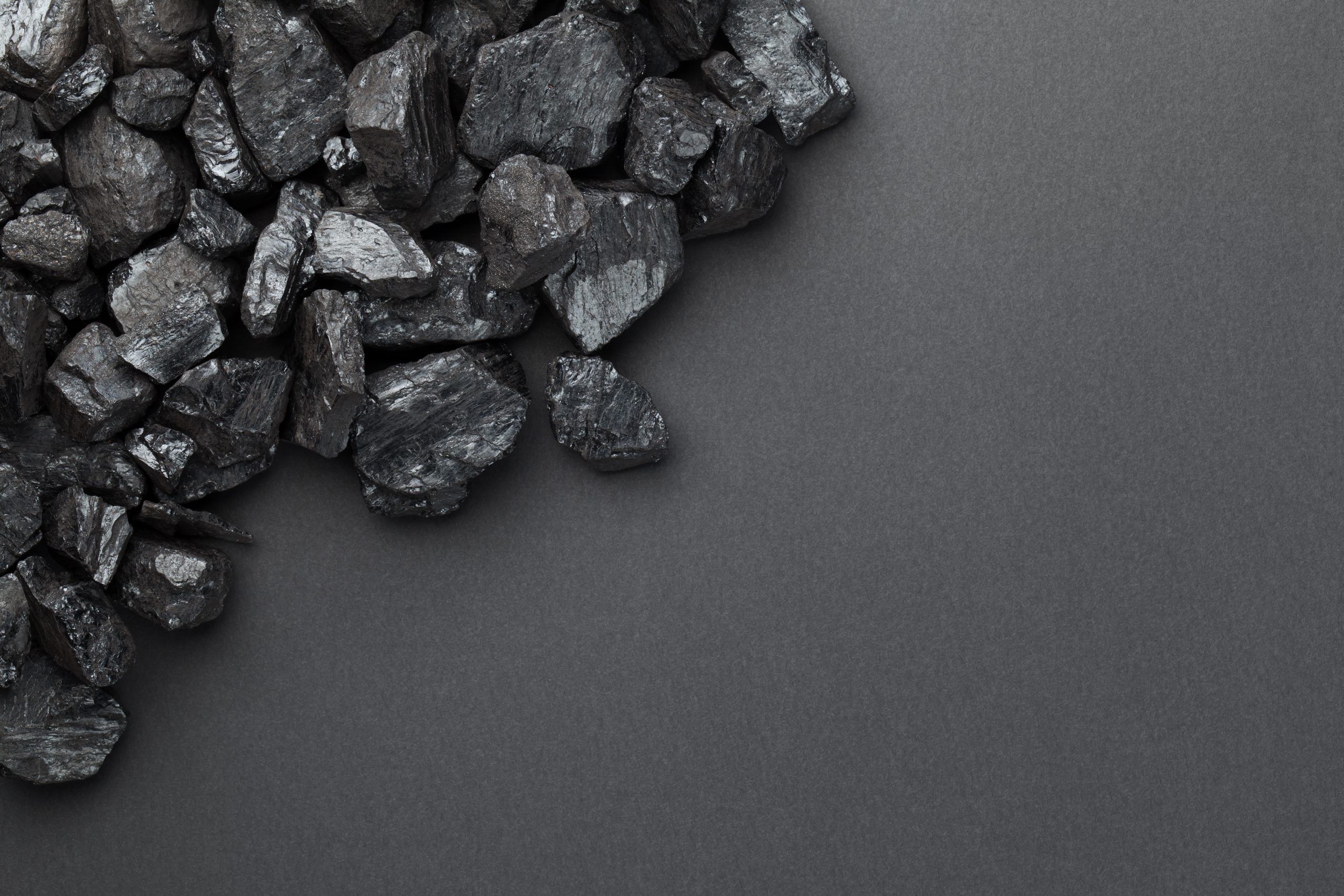
Natural gas benchmarks in Europe have surged past 81 euros per MWh, while Asian spot prices for LNG have climbed to $26 per million British thermal units. This volatility contrasts sharply with coal, which currently trades at an 80% discount to gas. Despite long-standing climate regulations and the retirement of coal-fired infrastructure, the International Energy Agency now predicts global coal demand will reach an all-time high this year.
The supply crunch stems largely from the Strait of Hormuz, where tanker attacks have severely restricted transit. Despite a slight recovery in September, only 21 LNG cargoes exited the waterway, a fraction of the 60 recorded before the conflict began. Major importers—Japan, China, and South Korea—are responding by ramping up coal consumption, with combined third-quarter imports hitting 122 million tons. Even in Europe, where anti-coal sentiment remains strongest, imports have surged, including a 43% year-on-year increase this past June.
While Indonesia, the world’s largest coal exporter, has tightened production quotas and signaled potential export controls, these policy shifts are unlikely to bridge the price gap. With Australian thermal coal trading at approximately $5.40 per mmBtu, it remains the only viable hedge against the current energy crisis. For nations reliant on stable power, the priority has shifted from energy transition to keeping the lights on at any cost.
Comments (0)
No comments yet. Be the first!