
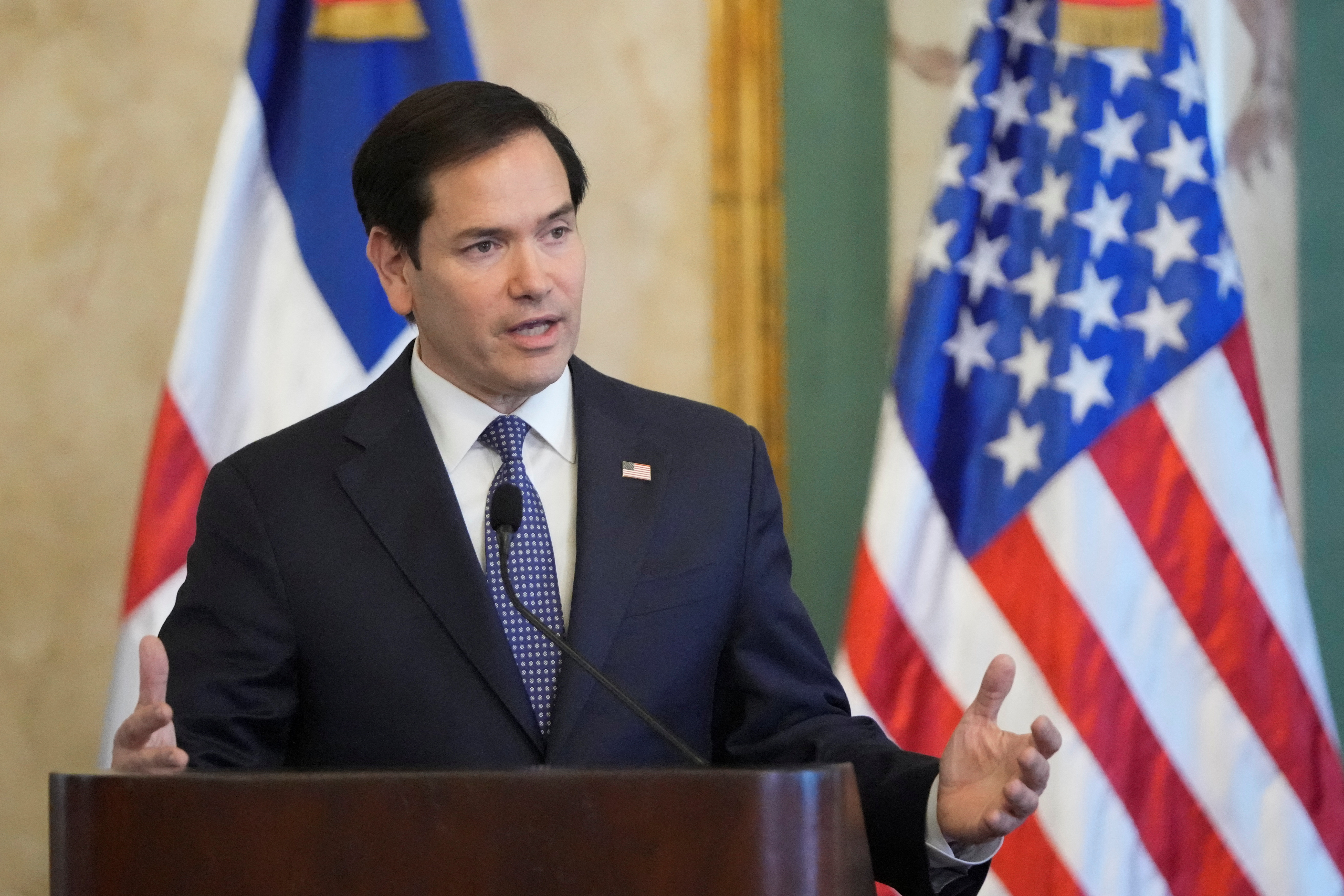
The warning follows a deadly October 8 strike in Kramatorsk, where Russian forces targeted two buses, killing at least 33 people. Rubio categorized the current state of hostilities as a precarious stalemate, noting that such conditions historically resolve either through diplomatic compromise or a reckless intensification of military force. He specifically cautioned that Russia might attempt to break the deadlock by expanding sabotage or direct strikes against neighboring NATO countries, potentially drawing the alliance into a wider confrontation.
While advocating for diplomacy, Rubio signaled a shift in how Washington views European defense burdens. He reframed increased military outlays not as simple spending, but as essential investments in collective deterrence. Emphasizing that the alliance's credibility rests on the capabilities of its individual members, he urged allies to prioritize advanced technology and deeper cooperation to counter emerging threats. During the same trip, Rubio deflected questions regarding potential shifts in American troop levels, instead stressing that all member states share the responsibility for maintaining a robust, capable defense posture against external aggression.
Comments (0)
No comments yet. Be the first!